Discovering Monsanto Village in Portugal
Travel Guide to Portugal's Most Picturesque Village
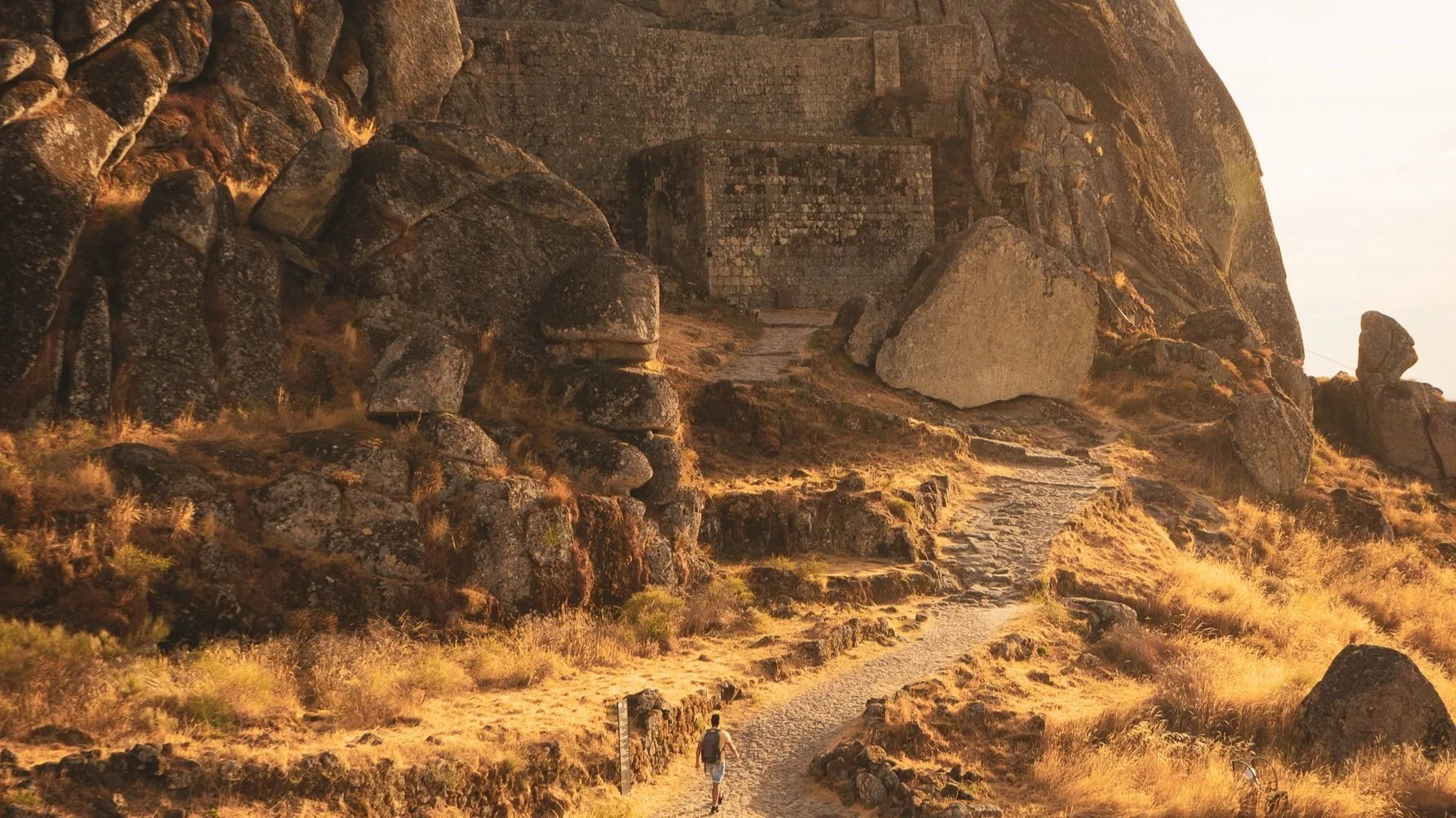
Monsanto, a captivating village in Central Portugal's Castelo Branco district, showcases the unique charm of the Beira Baixa region. Being on the Spanish border region, commonly called “Região Raiana”, Monsanto like other villages in the area is known for its extensive historical defensive structures. These structures can still be witnessed today in the form of impressive castles and quaint walled villages offering breathtaking panoramic vistas.
Awarded the title of “The most Portuguese village of Portugal” in 1938 and designated as an “Historical Village” in 1995, Monsanto provides a glimpse into the rich cultural heritage of the region. With its narrow cobblestone streets, traditional homes constructed from native rock, and stunning scenic views, Monsanto is an essential stop for travelers seeking to experience the essence of rural Portugal.
What to see in Monsanto
1. Village Unique Architecture
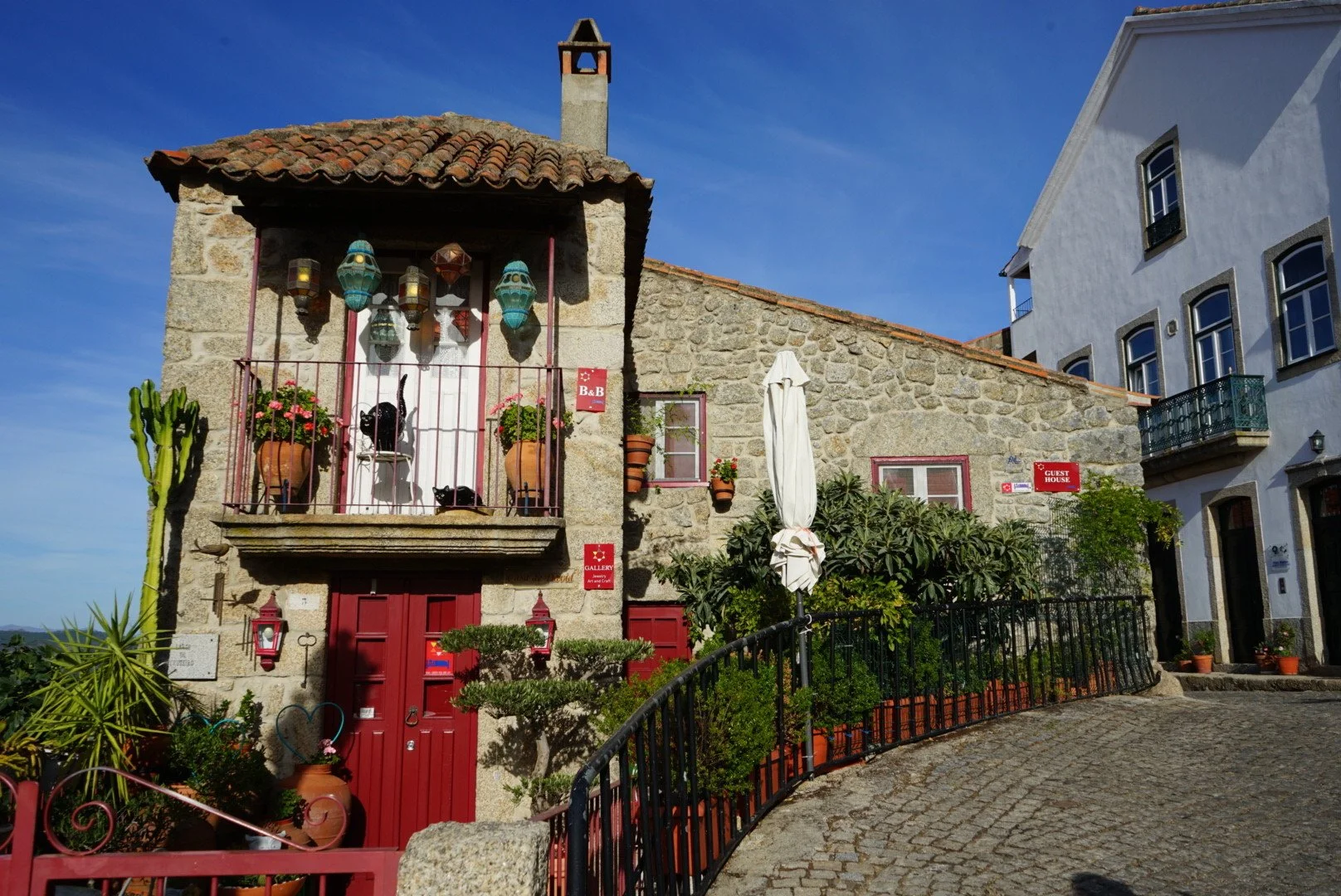


Monsanto's unique architecture offers an engaging fusion with the surrounding environment. Built primarily from local granite boulders, the village’s structures integrate harmoniously into the landscape, with many homes constructed directly into the outcroppings, creating a natural and organic feel. The vibrant doors and balconies, adorned with a variety of flowers, enhance this charming atmosphere.
Through the narrow and winding streets various small chapels and churches can be seen, with the Matrix Church standing out as the principal religious site. The Matrix Church showcases elements of both Romanesque and the uniquely Portuguese Manueline architectural style. As you navigate this distinctive environment, numerous interesting spots provide insights into the village's life, including essential community buildings like the community oven.
Among the most famous sites, the restaurant Petiscos & Granitos features a remarkable ceiling made from a single large granite boulder, affectionately dubbed the “one tile roof” house. Additionally, the Torre do Lucano and the picturesque Gruta are other quirky highlights worth exploring, each contributing to the village's unique charm and cultural richness.
2. Barrocais Route
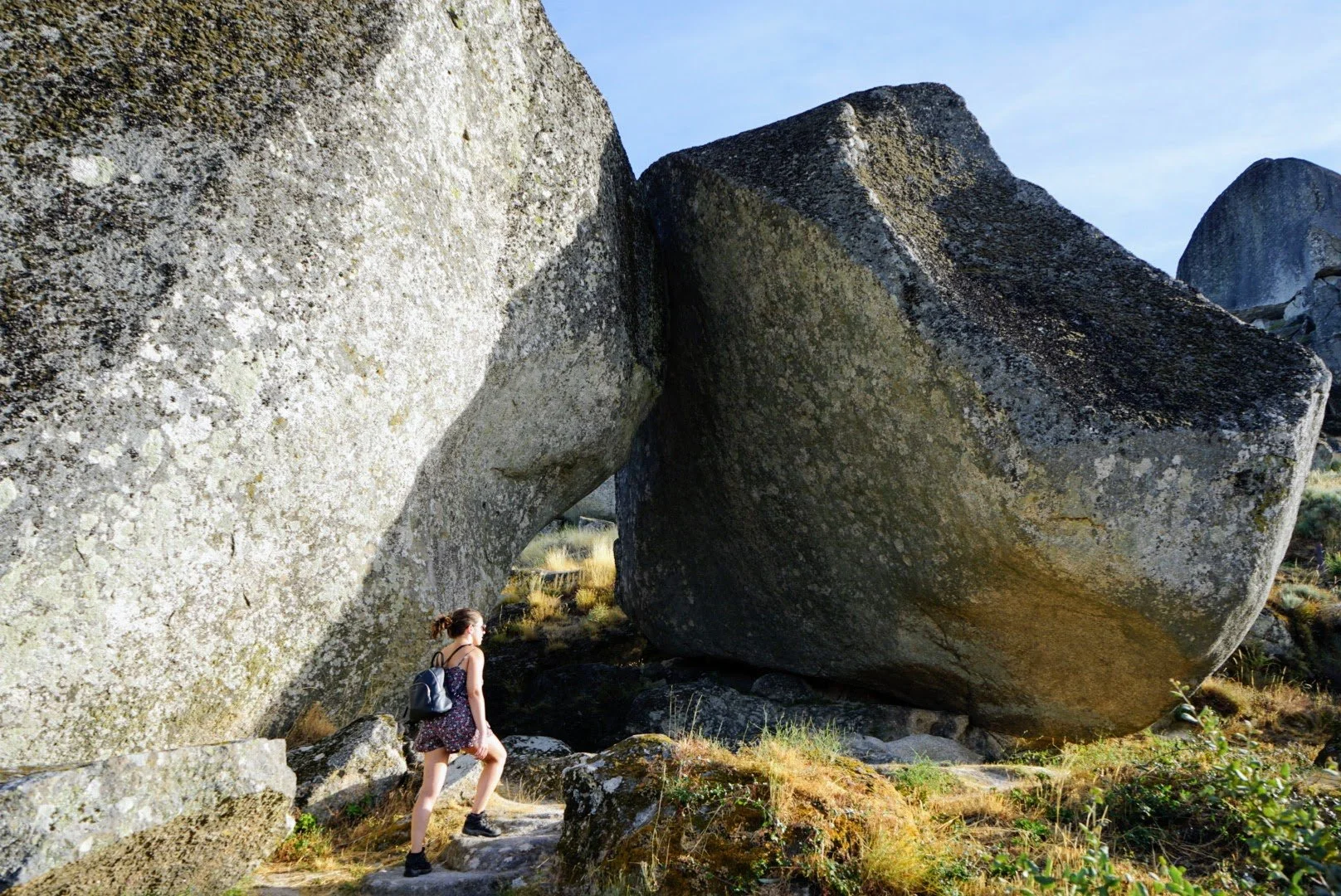
To visit the upper part of the town and its magnificent castle, you will need to embark on a small steep trail known as Rota do Barrocais (PR5). This trail spans 5 km and begins at the Tourism Office. As you make your way along the trail, you will quickly leave the village behind, passing through the furdas - the stone constructions where pings were raised.
The route also passes through other highlights of this magnificent landscape, including the massive Penedos Juntos, which adventurous travellers can pass beneath, and the Laje das 13 Tigelas (Stone of the 13 Mugs). This formation, resembling human carvings, are actually the result of a natural chemical reaction but, through time, has inspired many local myths and legends.
As you approach Monsanto’s castle entrance, you will encounter ancient ruins that bear witness to the ancient occupation of this territory, dating back to the Paleolithic era. The return journey takes you through an ancient forest of Quercus trees, typical of the Beirã landscape which will guide you back to the village.
3. Ancient Ruins

Towards the top of the hill, the remnants of São Miguel's medieval duelling become evident from the impressive ruins of the 12th-century São Miguel Chapel. This historical site has long been considered sacred, having been protected by fortifications for over a millennium, which makes it a significant landmark in the region.
Another Romanesque chapel dating back to around the 9th century can be found nearby, being one of the most ancient structures in the area. Within the chapel's walls lie several graves, and outside, a few sarcophagi can be observed.
However, perhaps the most interesting sight is the wider necropolis surrounding the chapel which is estimated to have predated it by at least 100 years. Approximately 85 anthropomorphic graves have been meticulously carved into the rock. This format of the graves is most probably due to the challenges posed by the granite bedrock, which made deep graves impractical. Several smaller sarcophagi, thought to be for children, testify to the difficult lives lived by those who once inhabited this mountainside.
4. Monsanto Castle
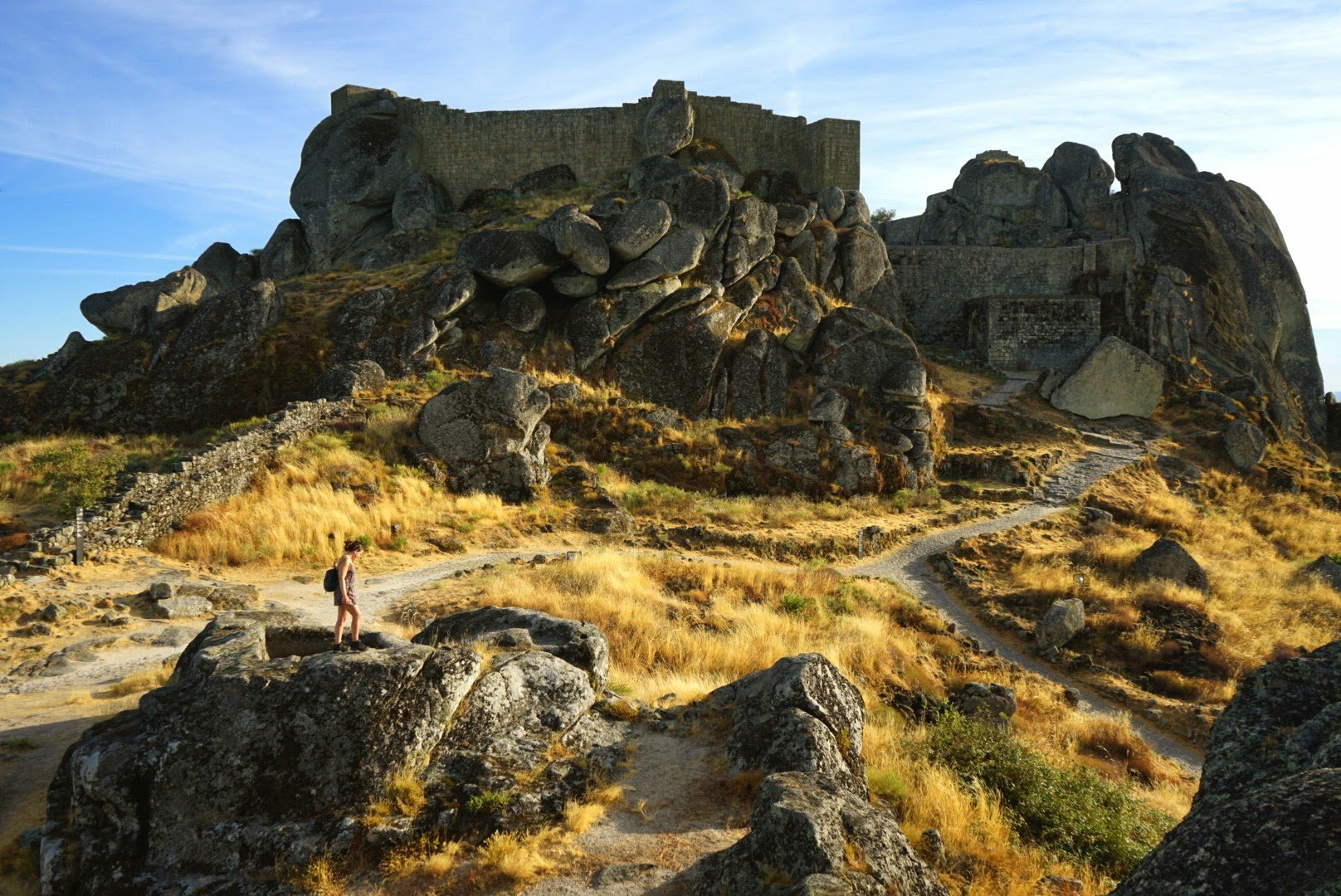
Built in the 12th century, with the urban wall added a century later, Monsanto Castle stands strategically for the defense of Portugal's eastern frontier. It underwent renovations in the 15th and 16th centuries, and later modifications in the 19th century, reflecting the evolving military architecture and defensive strategies of the time which altered the original Templar architecture.
The irregular layout adapts to the terrain, with reinforced walls featuring several square towers and parapets along their length. The keep, known locally as the Tower of the Watchtower or Pião Tower, rises off-centre in the courtyard. Within this enclosure stands the cistern, access stairs to the parapet, and the ruins of the Chapel of Our Lady of the Castle.
Despite the passage of time and numerous conflicts, the castle remains a symbol of strength and resilience, standing as a testament to Portugal's medieval history.
5. Dragon’s Stone
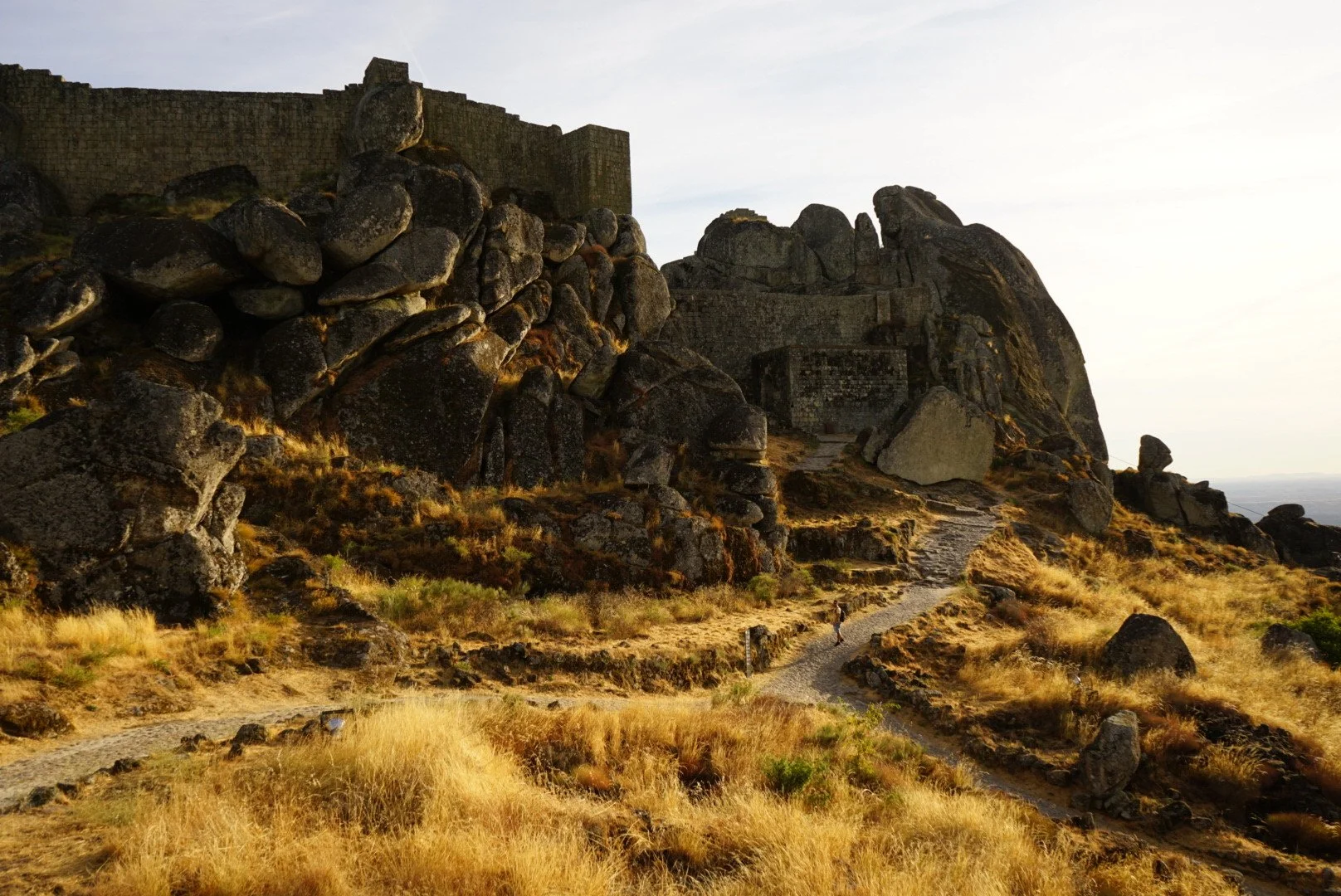
In 2022, Monsanto gained worldwide attention as the setting for Dragonstone in the popular TV series House of the Dragon. While Dragonstone is fictional, the show's creators used the boulder-strewn hill and historic castle in Monsanto to depict it. The stunning Igreja de São Miguel was notably combined with CGI to create the iconic Dragonstone Castle look. The Season 2 of House of the Dragon also took place in Monsanto, promising more breathtaking Monsanto views in upcoming episodes.
6. Viewpoints for a magnificent sunset

Situated northeast of the Terras de Idanha, Monsanto rests on the slope of a steep hill, rising abruptly from the plain to a peak of 758 meters. As a result, the village offers a commanding vantage point with awe-inspiring vistas of the surrounding countryside, particularly enchanting during the golden hues of sunset. Examples of some of the best view points which cannot be missed are Miradouro da Praça dos Canhões or the viewpoint of the Geodesic Mark at Castle Walls.
How to get to Monsanto
To reach Monsanto you can either fly to Lisbon or Porto. Both cities hold big international airports, even though Lisbon is a bit closer. You can compare flight prices on our flights page to ensure you get the best deal.
Rent a car
One of the most common ways to explore Portugal is to rent a car because it is affordable and convenient. Portugal has one of the best roads in the world, making it easy to drive and park everywhere. The car also gives you the flexibility to explore other nearby places like Sortelha or Foz d'Égua. Monsanto can be reached by car it within 3h from Lisbon or 3h15 from Porto.
Public transportation
If you are planning to use the public transportation system then you can take a regional train for 16€ to Castelo Branco which takes around 2h40. The Castelo Branco train station is about 1h from Monsanto. From there you can either take a taxi or book a tour to Monsanto, which may be most convenient.
Organized Tour
You can find and book online tours to Monsanto online either starting from Castelo Branco or directly from Lisbon.
Where to eat
After visiting the village, consider venturing into the historic town center of Monsanto for a delightful meal. Monsanto is also known for its traditional cuisine, which features local specialties such as roasted lamb and goat, pork stew, and sausages made from locally sourced ingredients. The village has several restaurants, such as Taverna Lusitana or Casa da Velha Fonte, which offer these traditional dishes, along with regional wines and cheeses.
Where to stay
Even though Monsanto is beautiful village, it is not big so it can seen easily within one day. Staying at Monsanto is advised if you wanna relax in the country side and see some other nearby attraction such as Penha Garcia or Sortelha.
Within a hour from the village you can also find bigger cities such as Castelo Branco or Fundão, which can be a good option, since they offer a wider range of accommodation option if you plan to stay within the region.
Either way you can use our accommodation partner to compare prices or browse through the following selections in Monsanto:
Is it Worth Visiting Monsanto
Whether you're interested in history, architecture, food, or just want to experience the unique charm of a traditional Portuguese village, Monsanto is the perfect destination. Its stunning natural setting, innovative use of the rocky terrain, and warm hospitality of its inhabitants make it a place that will stay with you long after you leave. So why not add Monsanto to your travel itinerary and discover why it's known as Portugal's most picturesque village?
Disclosure: Some of the links in this post may be affiliate links. This means that if you click on the link and make a purchase, we may receive a small commission at no extra cost to you. This helps us continue to provide valuable content and recommendations for our readers. Thank you for your support!