

Xi’an
Ancient Imperial Hub of the Silk Road
Xi’an, originally known as Chang’an, served as the capital of China multiple times during various dynasties and became a thriving hub on the Silk Road. While it is most famous for the Terracotta Army, one of the world’s most renowned UNESCO World Heritage Sites, this ancient city offers other unique experiences to its visitors.
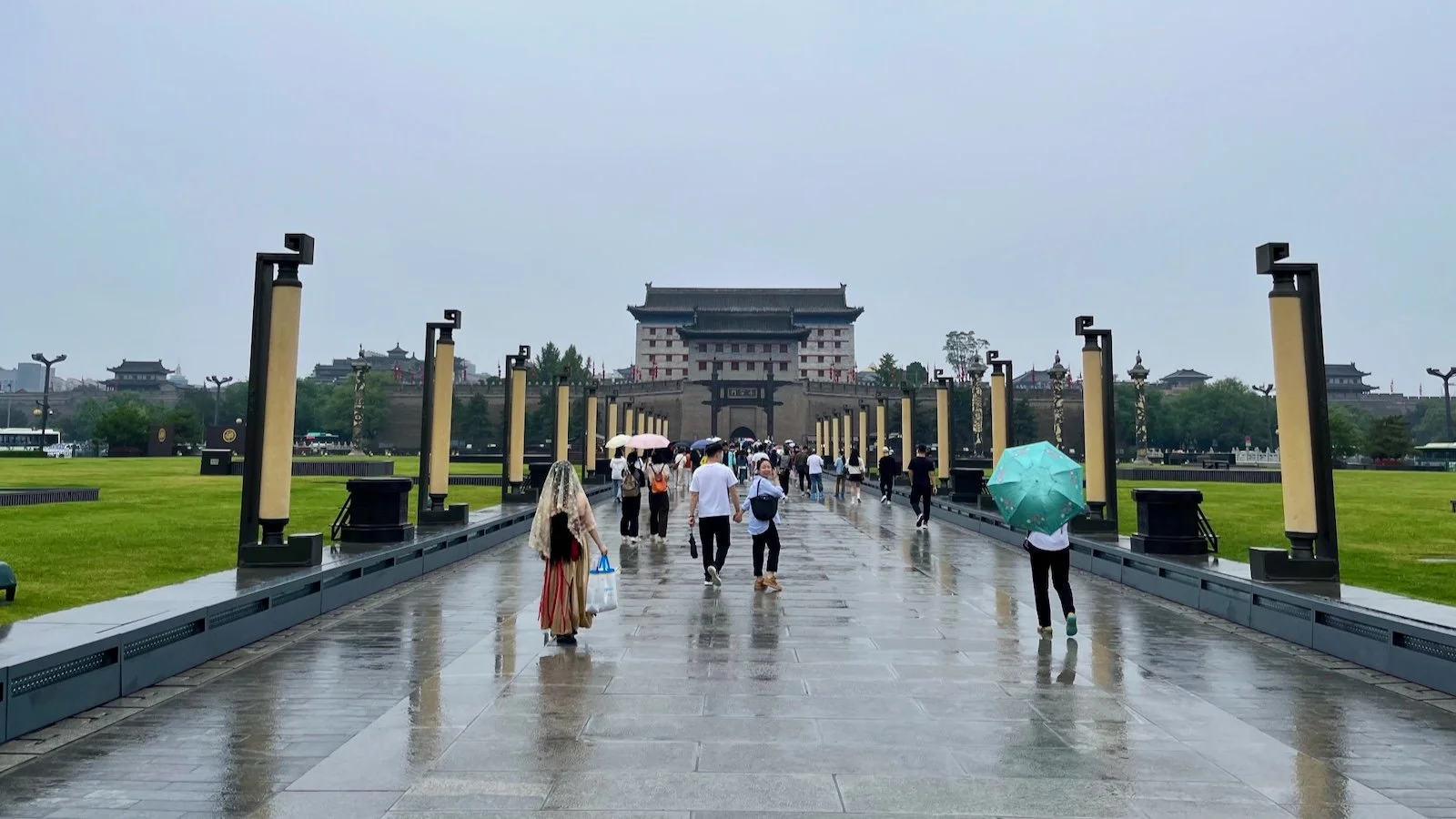
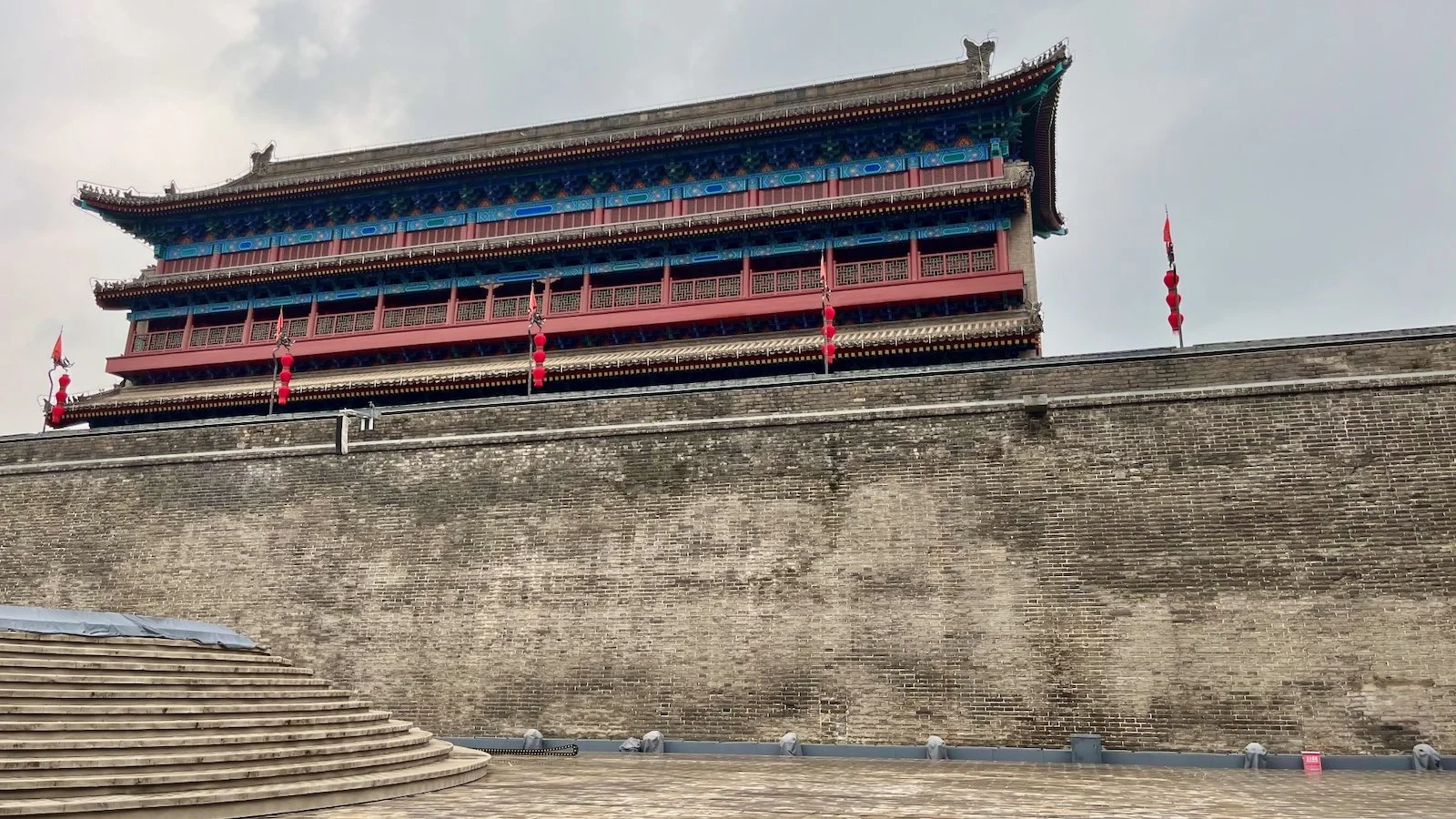
From it’s massive city wall, which can be explored by walking and cycling on it, to the remarkable Muslim quarter where you can try delicacies from the Middle East, up to the lively main squares where the famous ancient Drum and Bell towers are located, Xi’an offers a vast and ancestral history, culture and gastronomy legacy to anyone who comes to explore it.
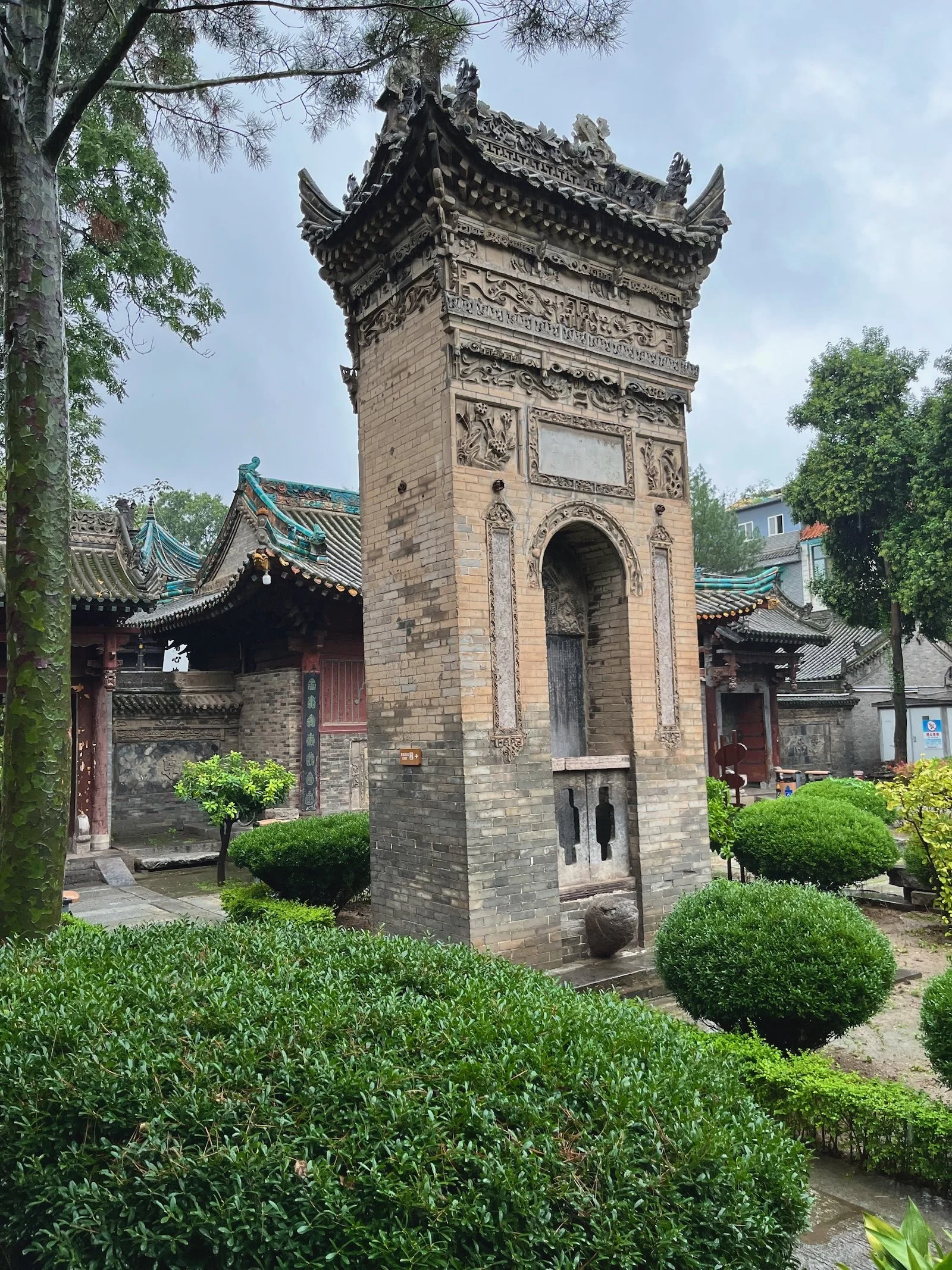
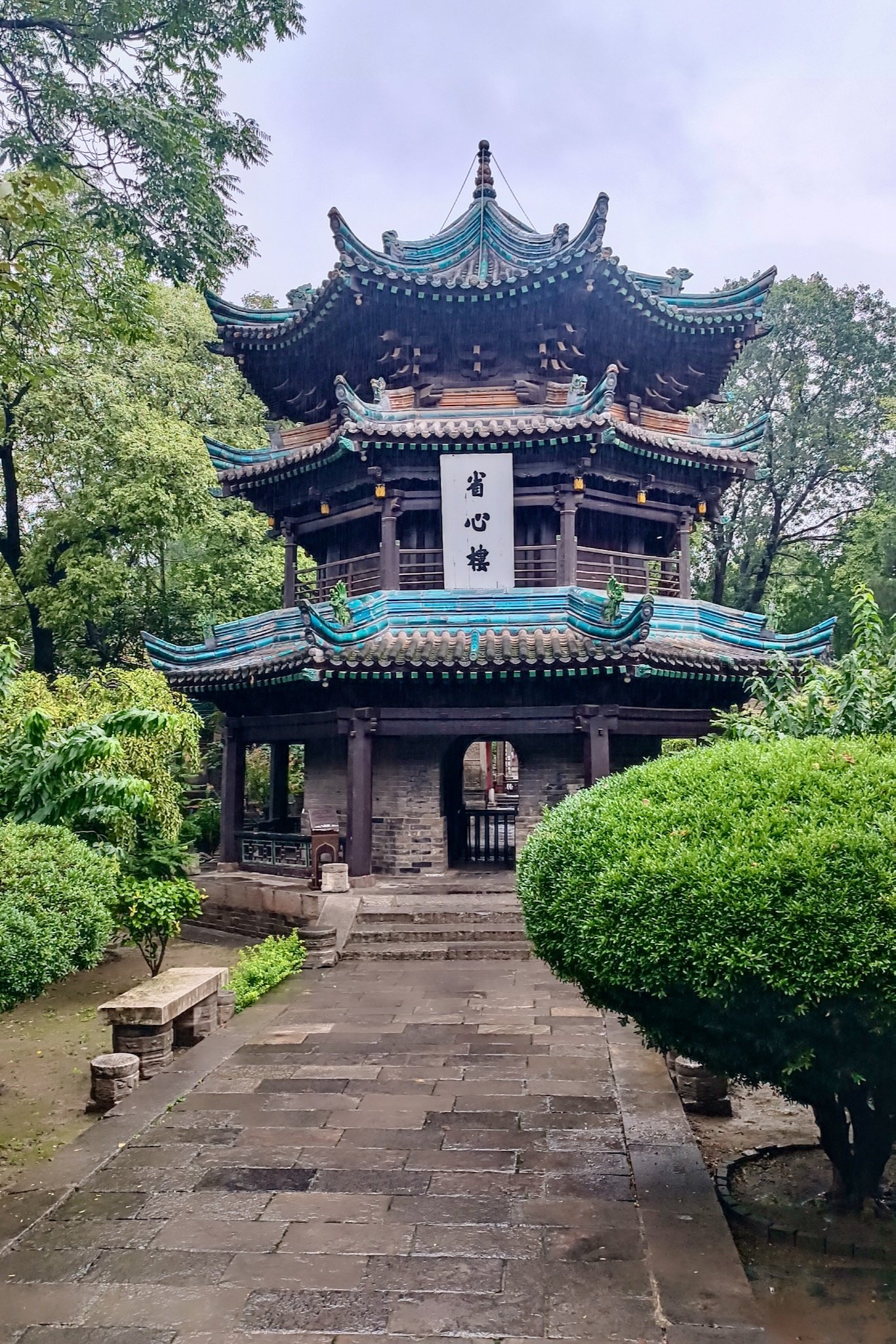
One of the most interesting aspects of visiting Xi’an, is the noticeable mix of Chinese and Muslim architecture, culture and gastronomy. The Muslim Quarter evokes the feeling of being in a Middle East country, especially with the strong aroma of spices wafting through the streets and the traditional clothing worn by the local population.
As the eastern terminus of the Silk Road, Xi’an was a crucial hub for the exchange of goods, ideas, and cultures between China and regions as far as the Mediterranean. Goods such as silk, spices, and ceramics traveled westward, while gold, precious stones, and other luxury items flowed into China from the West. This vibrant trade route fostered a rich cultural exchange, turning the city into a melting pot of religions and customs. Buddhism, Zoroastrianism, Nestorian Christianity, and other religions flourished in Chang’an, further enhancing its reputation as a cosmopolitan center.

The food is one of the most striking reminders of the ancient Silk Road’s influence on the city. There is a heavy use of spices (which might not be to everyones liking) that are less common in other parts of China, along with the prominent incorporation of pomegranates in juices and dishes.
Top Attractions in Xi’an
Day Trips From Xi’an
How to Get to Xi’an
Xi'an is served by the Xi’an Xianyang International Airport, which is located approximately 40 kilometers northwest of the city center by car. The airport offers a range of domestic and international flights, making it a key hub for travelers visiting this historic city. Facilities include restaurants, shopping areas, and transportation options to the city.
China has a vast and impressive railways network so trains are usually the fastest and most convenient means of transportation. They are affordable, easy to use and can be booked in advance with Trip.com. Booking at least a few days in advance is advisable as they tend to get full, particularly on weekends and around the holiday period.
Flight to Xi’an Xianyang International Airport

In case you’re starting your China adventure in Xi’an, you can fly directly to Xi’an Xianyang International Airport, explore this beautiful city and then get a train either to Beijing, stoping in places like Mianshan and Pingyao. Or, you can go to Chengdu and explore nearby attractions like Dujiangyan Irrigation System and Qingcheng Shan sacred mountains.
By Public Transportation

If you're travelling from Beijing to Xi’an, which is approximately 1000km away from Xi’an, you can take the high-speed train. The trains depart from Beijing Fengtai train station and typically take between 4 to 6 hours to reach Xi’an North train station. Prices vary from 480 CNY (68$) in 2nd class to 1834 CNY (260$) in business class. If you are on a budget, there are sleeping trains which can cost as little as 148 CNY (21$) for a bed but take up to 13 hours to reach Xi’an North train station.
In case you’re planning to come from Pingyao city to Xi’an, then you can use the high-speed trains to Xi’an North train station that departs from the Pingyaogucheng station. The journey takes about 3 hours and costs between 150 CNY (21$) and 450 CNY (64$) in business class. Similarly, a sleeper train is also available once a day and it takes about 9 hours to arrive at Xi’an North train station, with the harder bed costing around 142 CNY (20$).
Also popular, is the train connection from Chengdu to Xi’an. High-speed trains to Xi’an North train station depart from Chengdu East. The journey takes about 4 hours and costs between 261 CNY (37$) and 790 CNY (112$) in business class. Similarly, a sleeper train is also available once a day.
Once at Xi’an, you have several options for transportation: you can use the metro (the best transport to move around the city), you can take a taxi, catch a bus, or use the Didi app (available within WeChat superapp) to request a ride. We usually prefer Didi over a taxi because it makes it a lot easier to communicate the locations and prices if you do not speak the language.
By Organized Travel Packages / Tours

If you’re interested in visit China and, more specifically Xi’an, but don’t want to go through the hassle of planning and the stress of ensuring a safe and easy experience, then we recommend you to consider an organized travel packages and guided tours that includes transportations, food and guides. Below are some suggestions to help you plan your trip:
Where to Stay in Xi’an
Xi’an has a wide range of high-quality hotels to suit different needs and budgets. You can find luxury hotels with excellent amenities, comfortable mid-range options, and affordable choices for budget-conscious travelers. Many of these hotels are conveniently located near popular attractions like the Terracotta Army and City Wall, making it easy to explore the city.
Whether you’re looking for modern facilities or traditional Chinese hospitality, Xi’an’s hotels provide comfortable and reliable accommodation for visitors. One hotel we can recommend by experience is the Shaanxi Aurum International Hotel but you can easily search and find more high-quality hotels with Trip.com Xi’an wide hotels options.
Top Hotel Recommendation in Xi’an
What to Eat in Xi’an
Finding good restaurants in Xi’an is not a hard task, however, you might find yourself quite lost when using maps services like Google Maps or Apple Maps, or even recurring to websites like TripAdvisor, due to the fact that part of the information is outdated or don’t even exist. We recommend using Apple Maps (although not 100% accurate, it was many helpful), WeChat and Trip.com as travel apps when in China.
As you explore the historic streets of Xi’an, you’ll come across a variety of restaurants serving traditional Shaanxi cuisine. A good tip is to follow the locals—if a place is busy, it’s likely well-loved for a reason. The Muslim Quarter is also an ideal spot to begin your food journey, with plenty of options to choose from. Be sure to try local favorites like biangbiang noodles, roujiamo (a savory meat-filled bun), and yangrou paomo (a hearty lamb soup with crumbled flatbread). These dishes offer an authentic taste of Xi’an’s rich culinary tradition.
Biangbiang Noodles (biángbiáng miàn, 面条): One of Xi’an’s most iconic dishes, biangbiang noodles have been enjoyed for centuries. These thick, hand-pulled noodles are known for their chewy texture and are typically served with a rich, spicy sauce made from chili oil, garlic, and vegetables. The dish’s name is said to mimic the sound of the dough being slapped against the counter as it’s stretched. You can find these hearty noodles in many eateries around Muslim Street.
Roujiamo (肉夹馍): Often referred to as the Chinese version of a hamburger, roujiamo is a popular street food in Xi’an. It features shredded, slow-cooked meat, usually pork or lamb, packed inside a crispy, pan-fried flatbread. The recipe dates back to the Qin Dynasty (221–206 B.C.), making it a timeless favorite in the region. It’s commonly found at street stalls and local restaurants across the city.
Be sure to try Xi’an’s famous pomegranate wine, a regional specialty that pairs perfectly with the city’s bold flavors. A great spot to taste it is in the Muslim Quarter, where you’ll find many traditional shops selling this refreshing and slightly tangy wine, made from locally grown pomegranates.
Pratical Info about Xi’an
Useful Tips

Use the underground metro to move around the city because the lines extend to most of the important and touristic places, making it a fast and cheap way of exploring the city.
Is it worth visiting Xi’an
Xi’an is much more than just the Terracotta Army. It’s a bustling city with a rich historical background, unique architecture, and a vibrant food scene. Whether you're walking along the ancient city walls or exploring the lively Muslim Quarter, there’s no shortage of experiences.
For history enthusiasts, Xi’an is a must-visit, especially with its deep connection to the Silk Road. This ancient trade route has left an indelible mark on the city’s culture and cuisine. If you're looking to immerse yourself in China’s history and witness how the past and present blend, Xi’an should be on your travel list.
Travelook Trip Planner
Plan smarter trips in one place with the new Travelook web experience.
Use Travelook to prepare your next journey:
- Get AI-generated recommendations
- Discover places on maps: attractions, restaurants, cafes, and more
- Book flights, tours, and attraction tickets
- Invite friends to collaborate on your itinerary
- Follow other travel enthusiasts for ideas and tips

Don’t forget to follows us!
Disclosure: Some of the links in this post may be affiliate links. This means that if you click on the link and make a purchase, we may receive a small commission at no extra cost to you. This helps us continue to provide valuable content and recommendations for our readers. Thank you for your support!