
Kawah Putih
The haunted White Crater of Mount Patuha
What to see in Kawah Putih
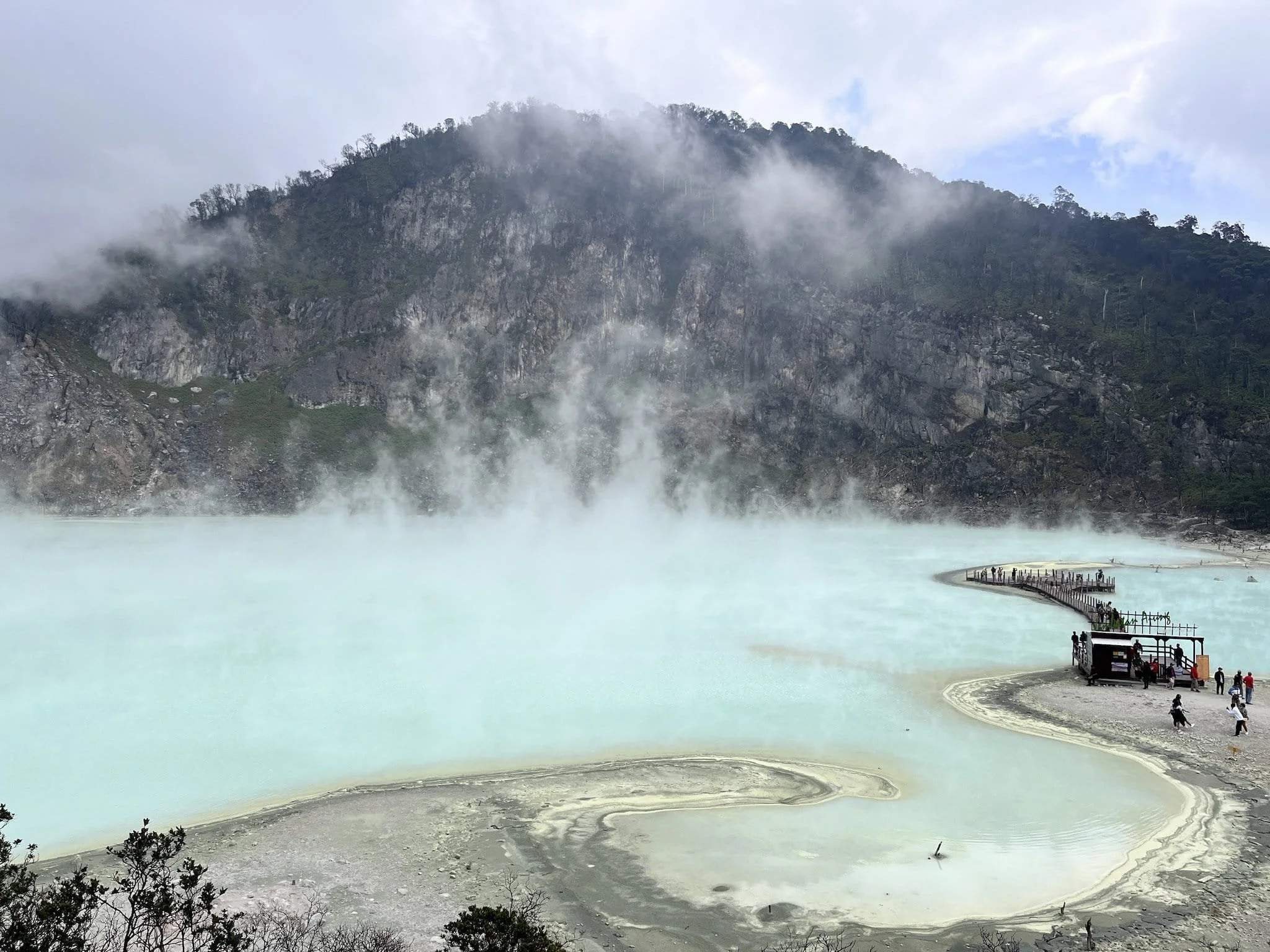
Kawah Putih, which means "White Crater" in Indonesian, was formed after the eruption of Mount Patuha in the 10th century. The sulfuric content of the lake gives it its distinctive milky-blue color, and the surrounding white sand and rocky cliffs enhance the ethereal landscape. Despite the lake's acidic waters, which make it unsuitable for swimming, this crater definitely deserves a visit. The area offers a unique backdrop for photography and the opportunity to learn about Sudanese folklore.

According to Sudanese folklore, the area around Kawah Putih was once considered sacred and dangerous. The strong sulfuric fumes made it difficult for any plants or animals to survive, and the lake's unusual color and toxic air added to its otherworldly feel. As a result, local villagers avoided the area, believing that it was haunted by spirits or supernatural beings.

Following the eruption in the 10th century which resulted in the formation of the crater lake, locals noticed that birds flying over the lake would mysteriously fall dead from the sky. This eerie phenomenon led them to believe that the lake was cursed and inhabited by spirits, particularly the a powerful spirit, or lembur nu ngalungit, that resided within the crater.
It wasn't until the 19th century, when a German botanist named Dr. Franz Wilhelm Junghuhn explored the area, that the true geological nature of the lake was understood. His scientific findings helped dispel some of the fears surrounding Kawah Putih, but the legends and mystical aura of the place remain alive in local culture.
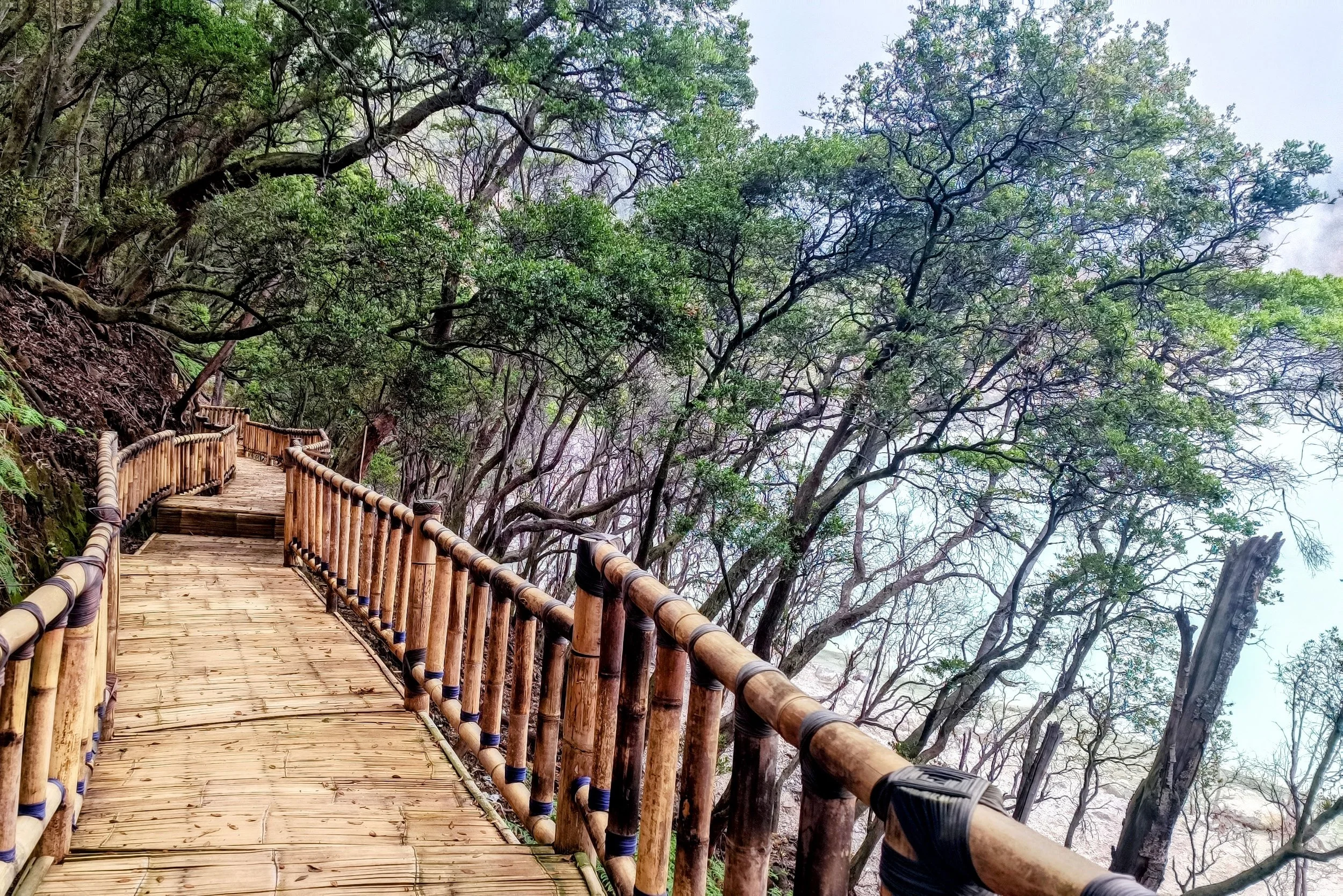
Today, Kawah Putih has become a popular destination for both Indonesian and international tourists, known for its surreal beauty and unique volcanic landscape. For those looking to explore, well-maintained trails wind around the lake, offering various vantage points that showcase the crater from different angles. A leisurely walk along these paths immerses visitors in the otherworldly scenery, allowing them to fully appreciate the tranquil and almost ethereal environment.

One of the must-visit spots at Kawah Putih is the observation deck. Perched above the lake, this elevated platform provides a stunning panoramic view of the crater, revealing the striking contrast between the lake’s turquoise waters and the surrounding white sands and cliffs. From here, visitors can marvel at the diverse colors and textures that make Kawah Putih a truly unique destination.
Attractions near Kawah Putih
How to Get to Kawah Putih
Kawah Putih is best reached from Bandung, a well-connected city by road, rail, and air, making it easy to reach from major cities like Jakarta. Its location is ideal for day trips to nearby attractions like Kawah Putih, the Ciwidey tea plantations, and hot springs.
By Car

If you're driving, take the Soreang-Ciwidey road from Bandung, which offers a scenic route through tea plantations. Bandung is located 50km away from Kawah Putih however due to the road conditions and usual intense traffic the journey typically takes around 2 to 3 hours.
Driving in Indonesia can be challenging: traffic is intense and there are many “unspoken rules” which may pose challenges to foreigners not familiar with the area. Hiring a driver through an app like Traveloka app can be a easy and time effective alternative.
By Public Transportation

Bus/Angkot (Minibus): From Bandung, head to the Leuwi Panjang Bus Terminal and take a bus or minibus (angkot) to Ciwidey. From Ciwidey, transfer to another angkot heading towards Situ Patenggang and ask to be dropped off at the Kawah Putih entrance.
While this option is cheaper, it can take longer due to transfers and waiting times, reducing the time to explore all the attractions in the Ciwidey area.
By Organized Tour

Many tour operators in Bandung offer day trips to Kawah Putih, which often include transportation and a guided tour. This is a convenient option if you prefer an organized and stress-free trip.
Where to Stay near Kawah Putih
There are charming accommodation options in the Ciwidey area such as the Glamping Lakeside Rancabali at Villa Situ Patenggang. However it may be difficult to move and find places to eat within the area for those who do not have a car.
Bandung, the capital of West Java, is an excellent base for exploring the surrounding region, including Kawah Putih. Known as the "Paris of Java" for its European-inspired architecture and cool climate, Bandung offers a mix of urban convenience and natural beauty.
The city offers a wide range of accommodations, from budget hostels to luxury hotels, catering to all types of travelers. Many hotels are located near popular shopping areas and cafes, providing comfort and convenience.
Top Hotel Recommendation in Bandung
Where to Eat near Kawah Putih
Practical Info for Kawah Putih
Hours

Kawah Putih is usually open from 7:00 AM to 5:00 PM.
Ticket Prices

The entrance fee typically costs 81,000 IDR for foreigners.
Indonesian nationals entrance fee costs 28,000 IDR.
Additional fees apply for car parking.
You can avoid the queues and buy the ticket to Kawah Putih here
Useful Tips

Kawah Putih is a crater with a highly acid lake, so expect a strong smell. Please be wary that it’s forbidden to enter in the lake for safety reasons.
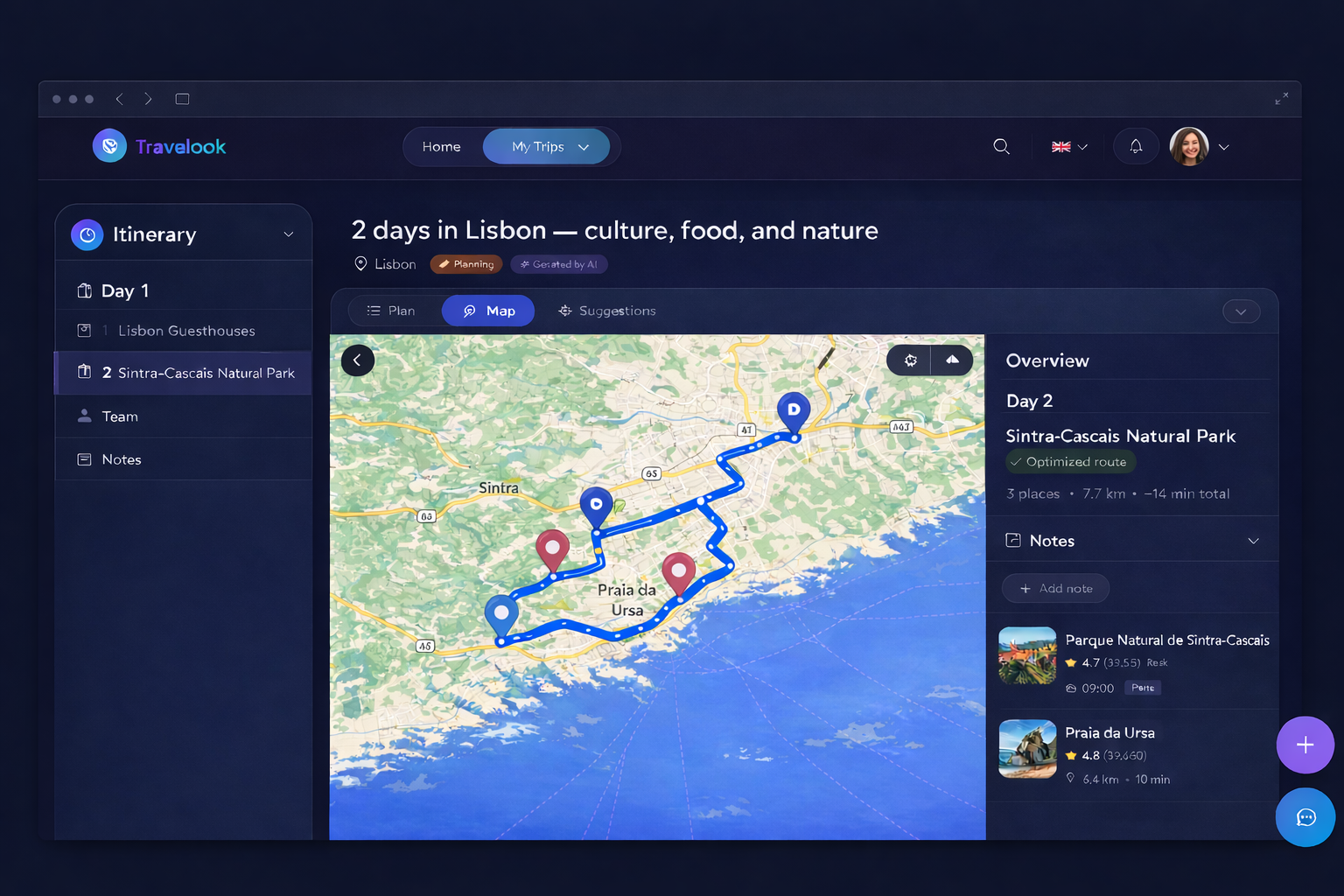
Travelook Trip Planner
Plan smarter trips in one place with the new Travelook web experience.
Use Travelook to prepare your next journey:
- Get AI-generated recommendations
- Discover places on maps: attractions, restaurants, cafes, and more
- Book flights, tours, and attraction tickets
- Invite friends to collaborate on your itinerary
- Follow other travel enthusiasts for ideas and tips
Don’t forget to follows us!
Disclosure: Some of the links in this post may be affiliate links. This means that if you click on the link and make a purchase, we may receive a small commission at no extra cost to you. This helps us continue to provide valuable content and recommendations for our readers. Thank you for your support!