The Ancient City of Pingyao - Travel Guide
Discover the Ming-Qing Legacy in Pingyao
Pingyao Ancient City, or Ping Yao Ancient City, is a famous ancient Han city located in Jinzhong, Shanxi Province, a northern chinese province, approximately 600km from Beijing. Founded around 827-782 BC, during the reign of King Xuan (827-782 BC) of the Western Zhou Dynasty, Pingyao region as seen human life for around 2700 years. However, it was during the Ming (1368-1644) and Qing (1644-1911) dynasties that it saw its major growth and developed into an important trade hub.
The city is known for its formidable architectural preservation but it was not always like this. In the 1970s, Pingyao was in a state of full decay with only 3 of its original 72 watchtowers still standing and a major part of the historic buildings (30 Ming and 100 Qing constructions) on the verge of being completely demolished.
The process was stopped by the pressure of Ruan Yisan, a professor and fierce protector of ancient Chinese architecture, who believed that this heritage should be saved and preserved. Due to his efforts and activism, Pingyao gates, walls, residences, shops and governmental buildings were kept in their original state. He was able to protect not only Pingyao but also other historic Chinese cities and villages from destruction like Suzhou, Yangzhou and Shaoxin, among many more.
This formidable endeavour transformed Pingyao into an excellent example of ancient city preservation in China, catalyzing tourism growth not only in the city but in the entire Pingyao county, inspiring similar efforts nationwide. Designated as a Historic and Cultural City of China in 1986 and recognized as a UNESCO World Cultural Heritage Site in 1997, Pingyao stands as a prime example of successful heritage conservation.
Traditional residences have been repurposed into hotels, restaurants, tea rooms, and wine houses, providing tourists with an authentic experience of the local lifestyle. Homes belonging to historical figures and businesses have been converted into museums, showcasing the heritage of prominent families. Through these restoration efforts and tourism investments, visitors can now glimpse into Pingyao's unique past.
What to see in Pingyao
Pingyao county has a wide range of ancient and historical places to visit but this guide focuses mainly on what to see in Pingyao Ancient City. In total, there are 19 visitable sites to visit within the city walls of Pingyao but below we show some of the most relevant and interesting places you should not miss:
1. Pingyao Ancient City Wall (Píngyáo Gǔchéngqiáng; 平遥古城墙)
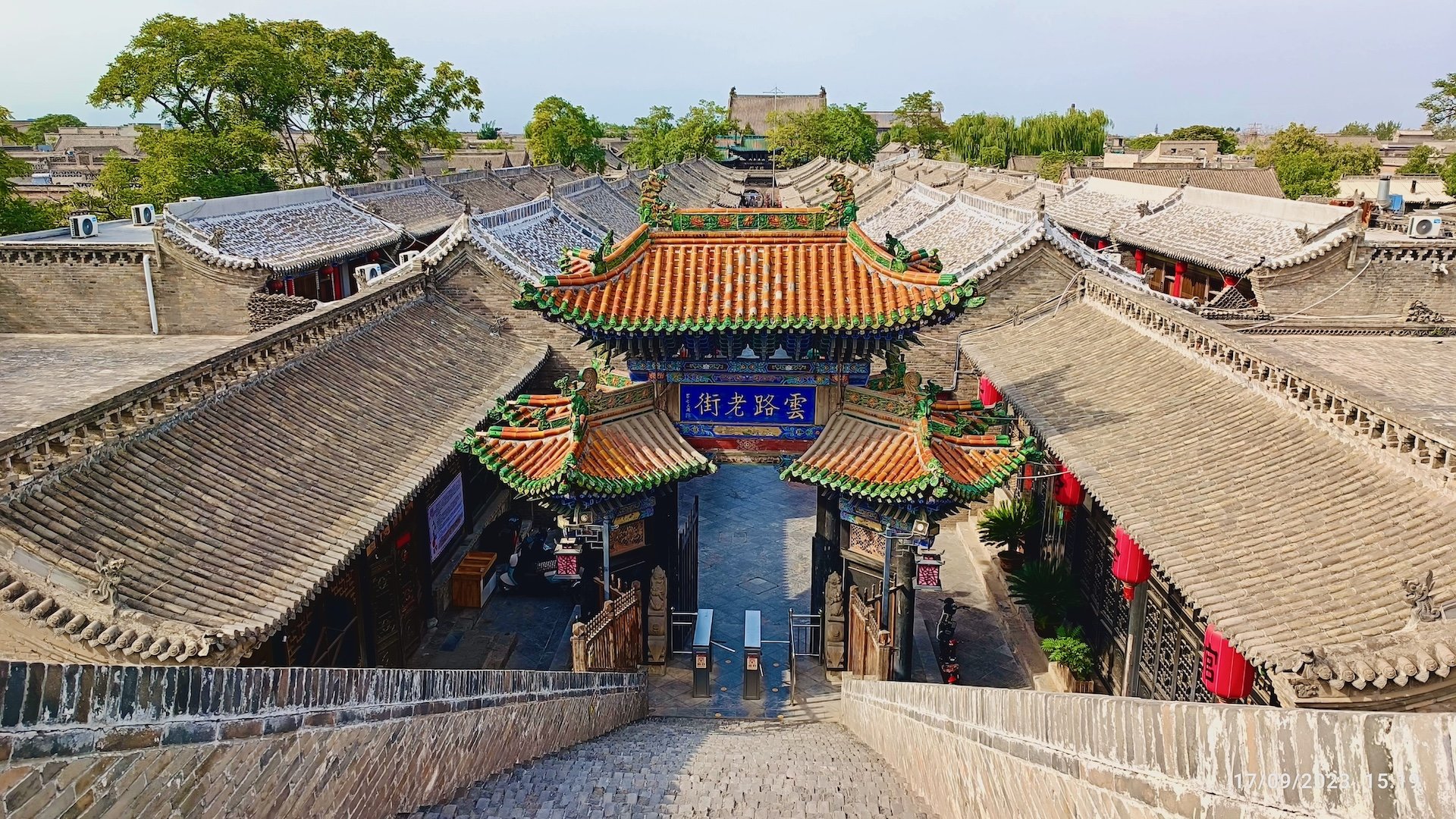


Since 2016, over 35.5 million yuan (€4.6M) have been invested in repairing more than 10 sections of Pingyao's inner city wall, transforming it into an impressive and well-maintained structure that encircles the town. The inner wall is constructed using rammed earth, comprising compacted earth, chalk, lime, and gravel, with a brick outer layer to maintain its original appearance.
We highly recommend for you can stroll along the city wall's circumference, which takes about 1 hour and 30 minutes, offering various perspectives of this ancient city. There is limited information available on-site so, if you would like a deeper understanding of the wall's history, significance, and restoration efforts, hiring a tour guide is also an viable option.

Also known as Kuixing Lou, Kuixing Tower is part of the Pingyao Ancient City Wall and you will easily find it as you stroll the city wall. The Kuixing Tower is dedicated to Kuixing, the Chinese deity associated with literature, scholarship, and tests. In Chinese culture, Kuixing is often depicted as a star god or a celestial figure who influences success in academic pursuits. People pray to Kuixing for good fortune and success in tests or scholarly endeavours. The tower's presence within Pingyao Ancient City reflects the importance of education and scholarship in Chinese society, as well as the reverence for spiritual beliefs.

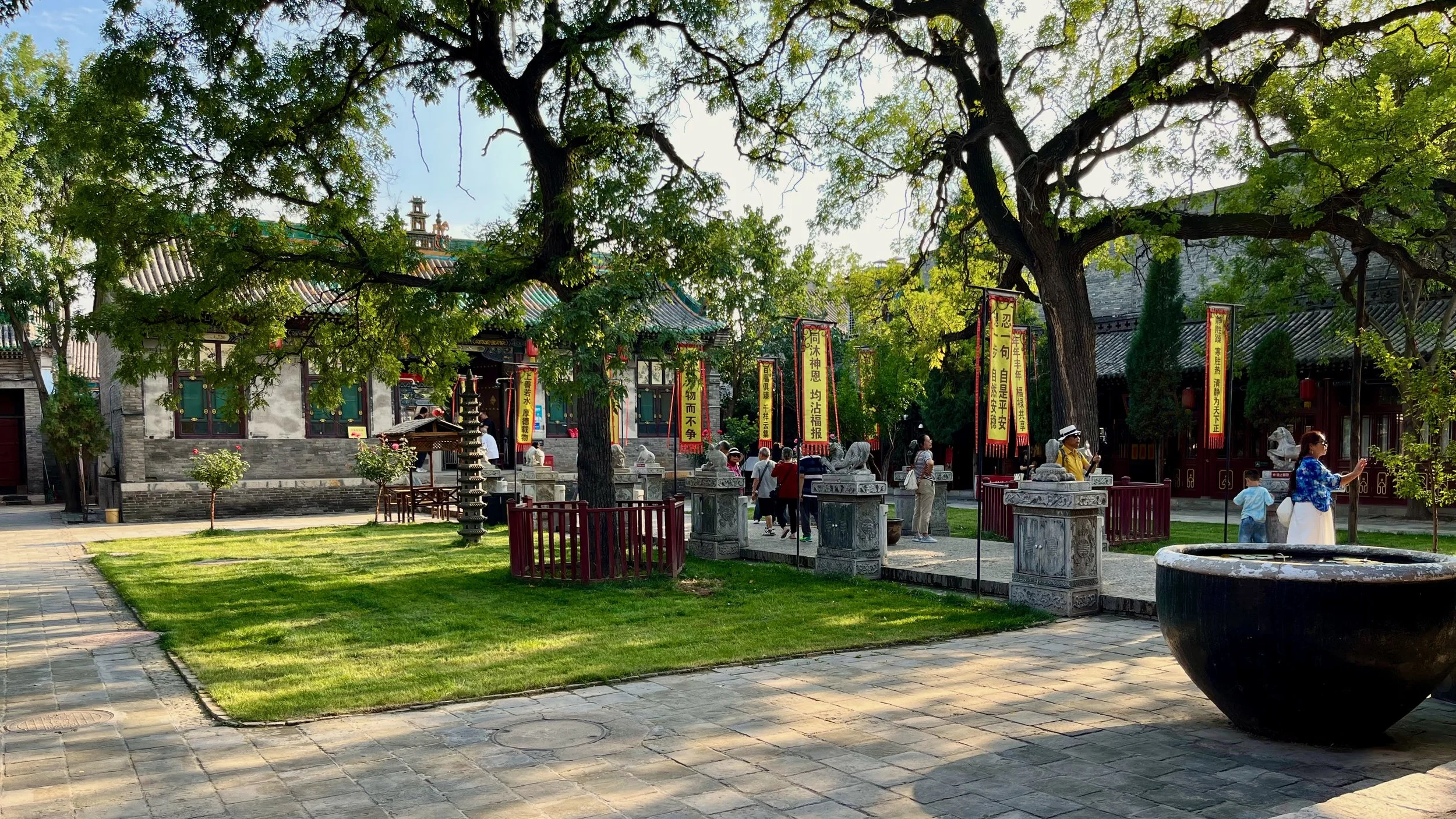
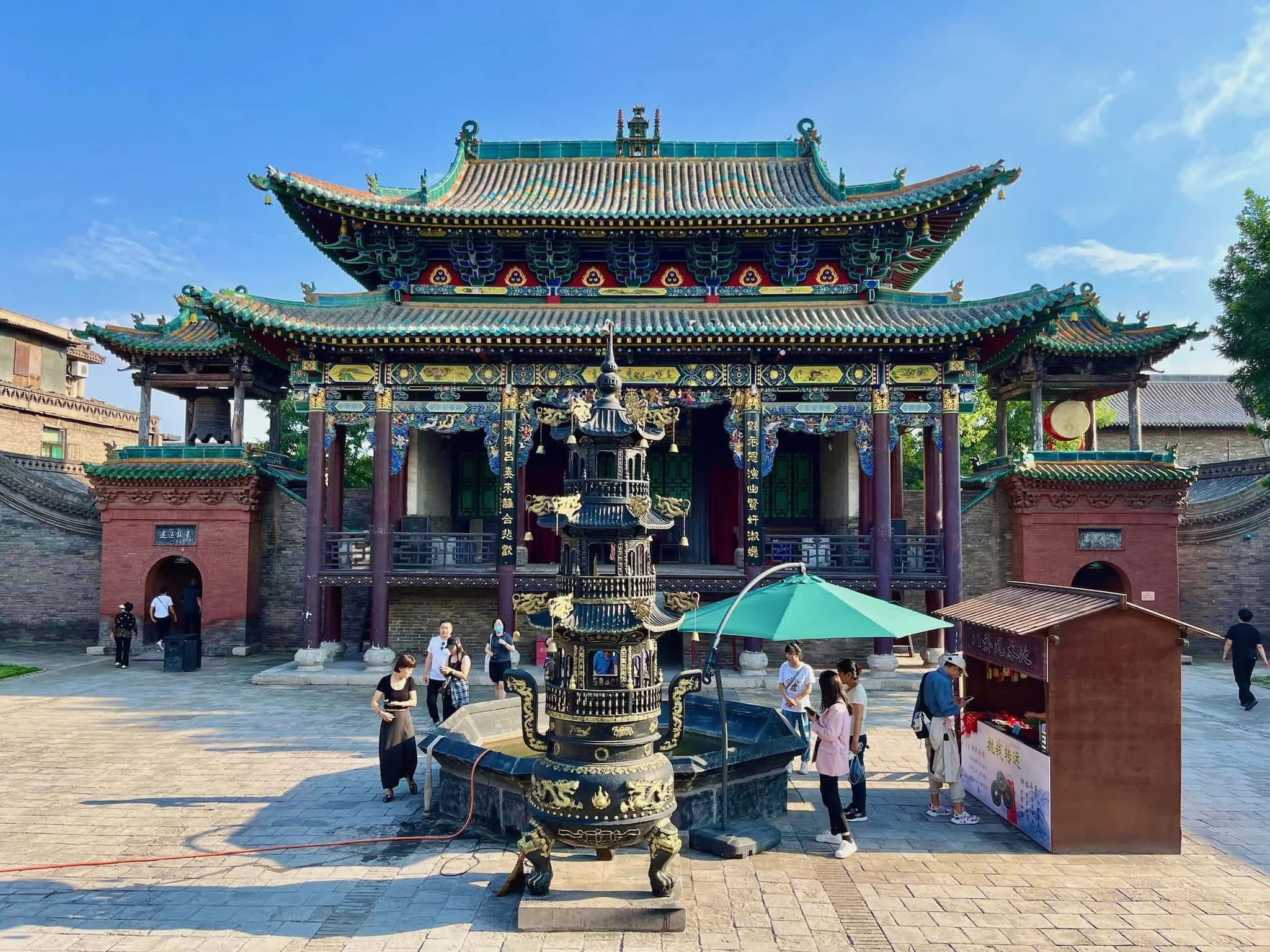
The City God Temple in Pingyao is a significant Taoist temple complex, spanning over 7,300 square meters and consisting of three main temples: Temple of the City God, dedicated to law and justice, the Caishen Temple honouring the God of Wealth, and the Zaojun Temple devoted to the Kitchen God.
Located in the southeast of Pingyao Ancient City, the Temple of the City God features impressive architecture and craftsmanship, including woodcarvings, stone sculptures, and mural paintings. The temple's various halls serve different functions, from legal proceedings to residential quarters. Surrounding the temple are picturesque gardens and courtyards, creating a serene atmosphere for worship and reflection.
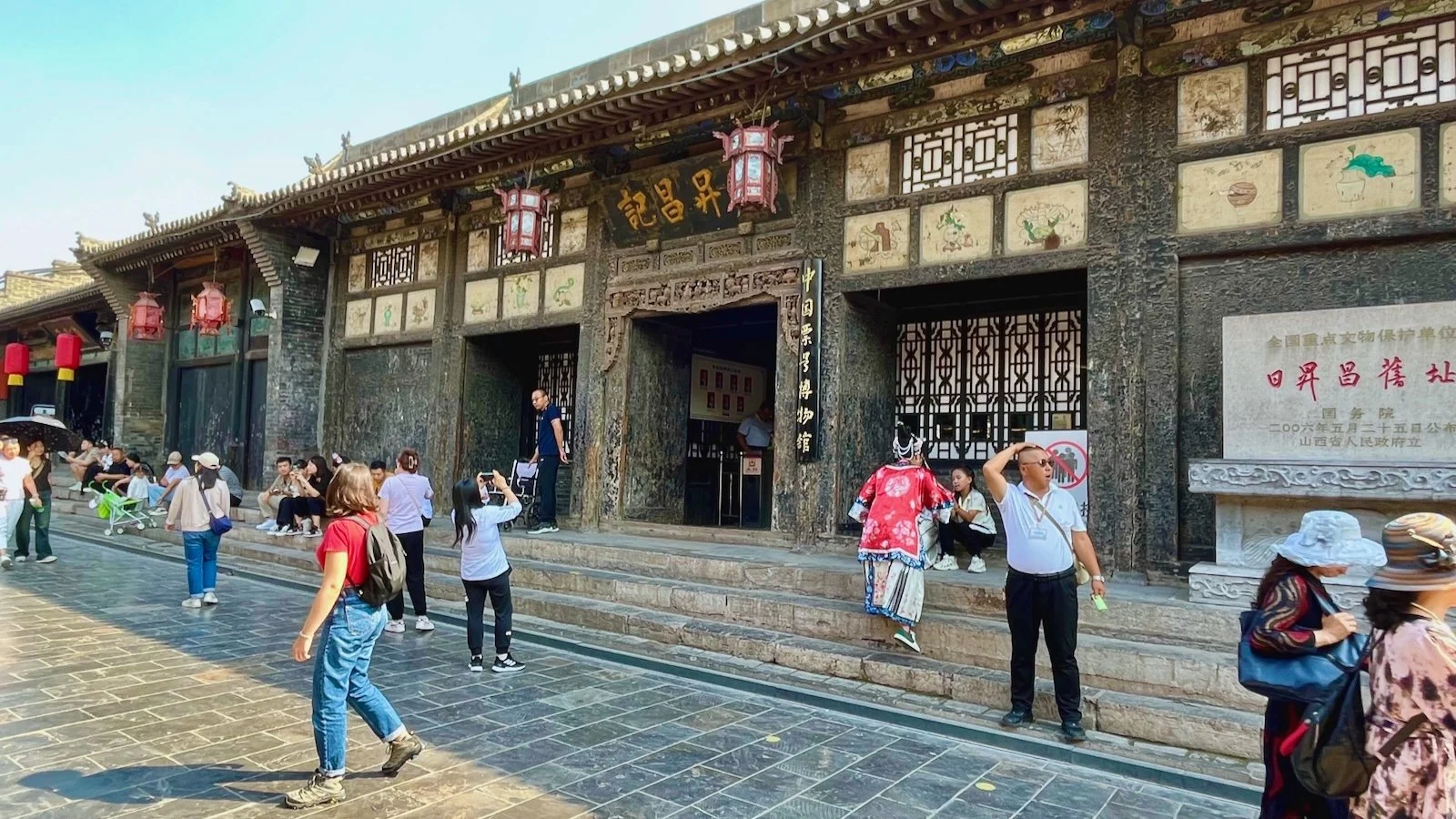
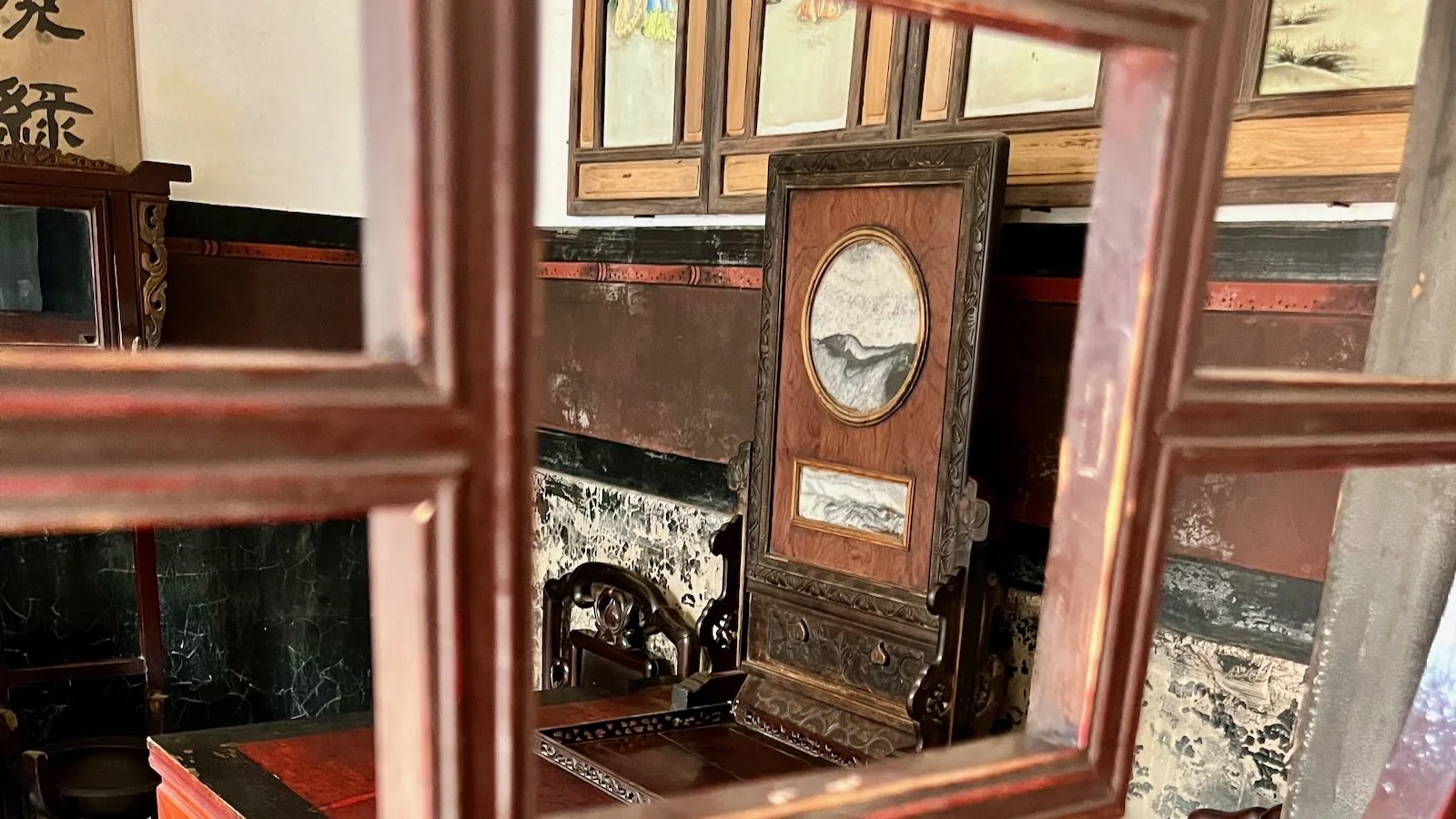
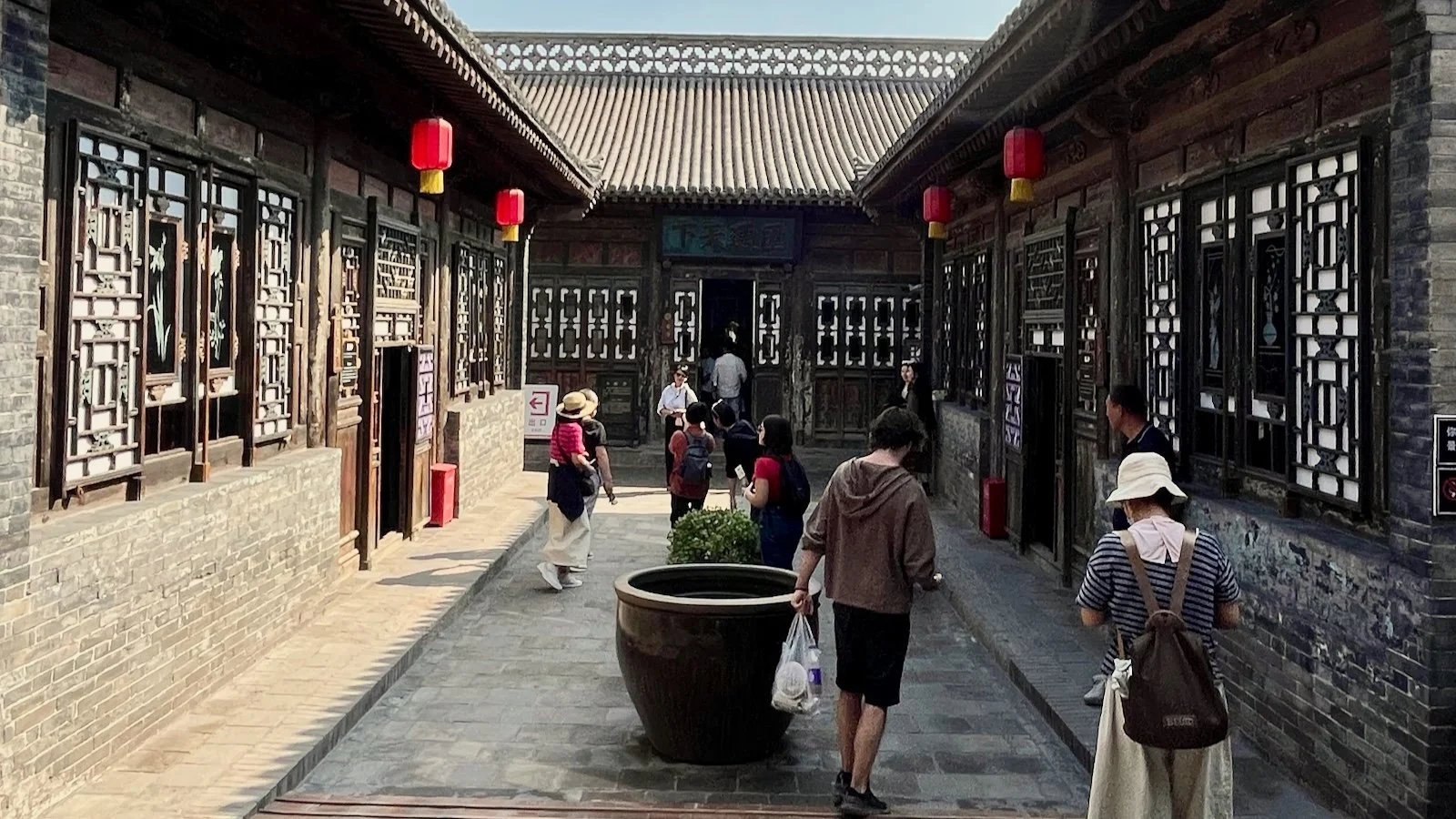
Rishengchang Exchange Shop, also known as Rishengchang Piaohao or Rishengchang Remittance Bank, is hailed as China's first draft bank and a pioneer in the nation's financial history. Established in the Qing Dynasty by Li Daquan and Lei Lvtai in Pingyao Ancient Town, Shanxi province, it revolutionized banking by specializing in silver remittance, deposits, and loans. With branches across China and even overseas, Rishengchang played a pivotal role in facilitating trade and economic growth during the Ming and Qing Dynasties.
Throughout its 108-year existence, Rishengchang's original headquarters endured tumultuous times, including fires and the collapse of the Qing Dynasty, before being transformed into a museum in 1995. Covering an area of 1,700 square meters, the museum has been meticulously preserved and showcases its illustrious history and contributions to Chinese commerce.
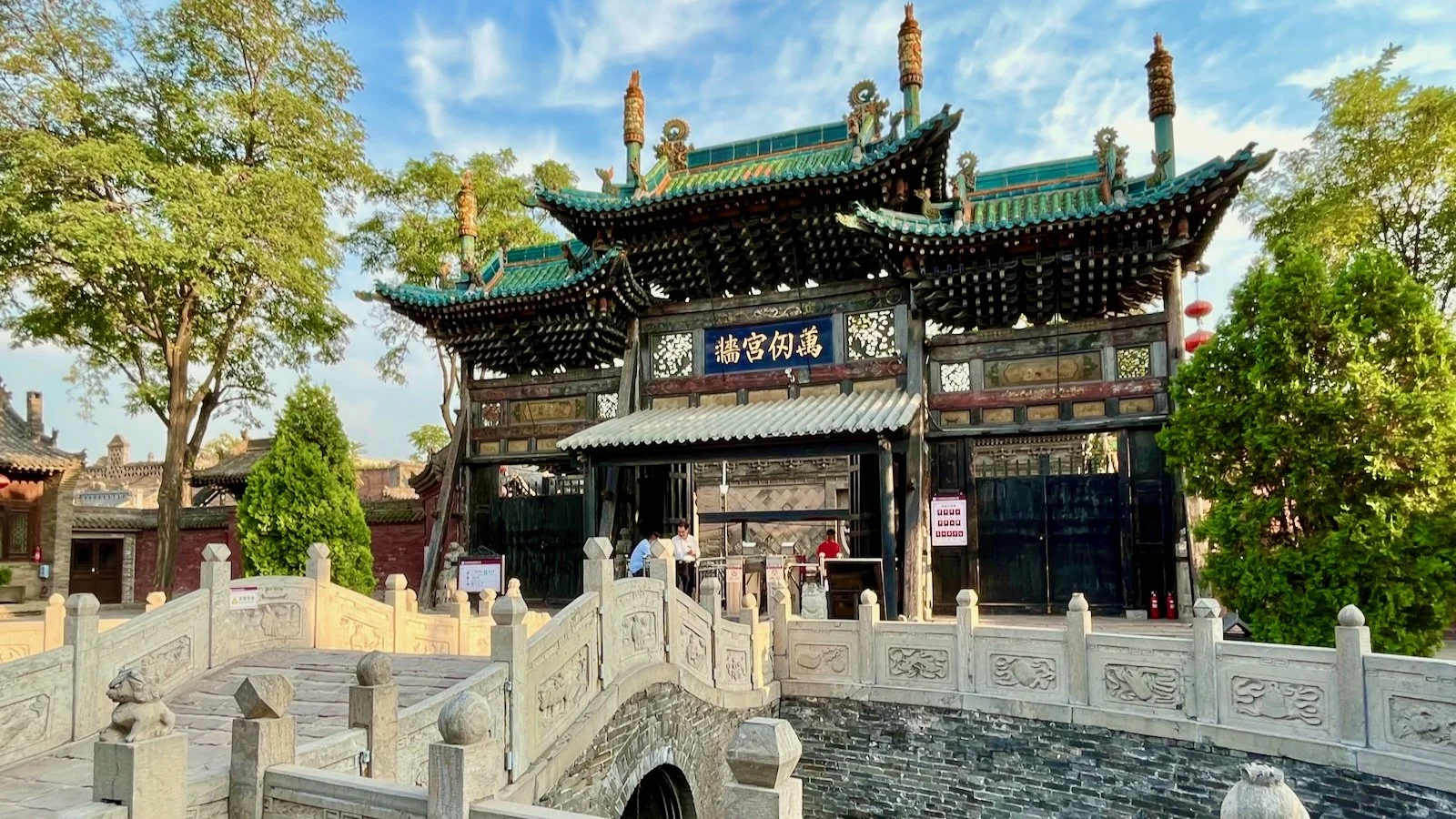
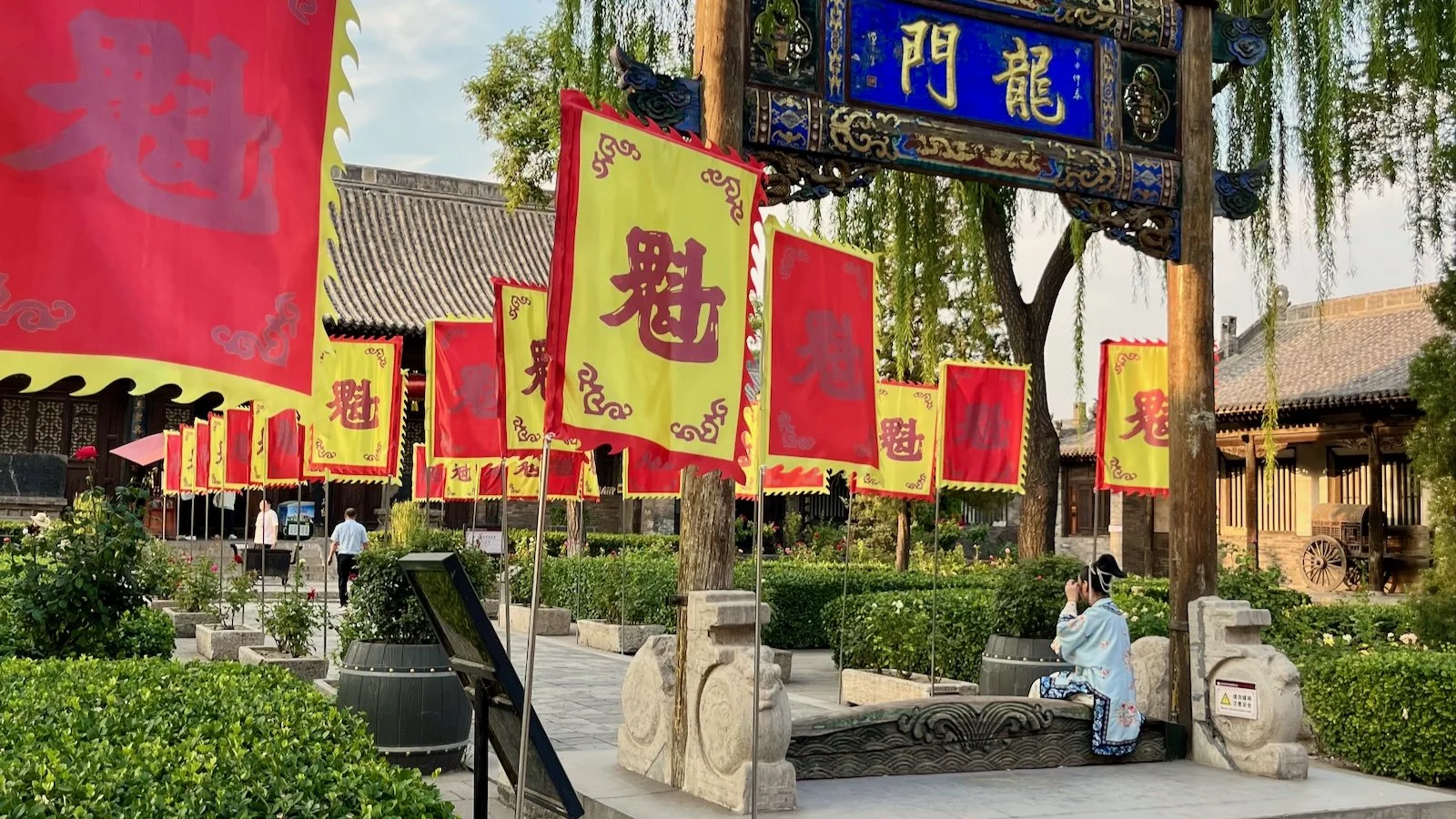
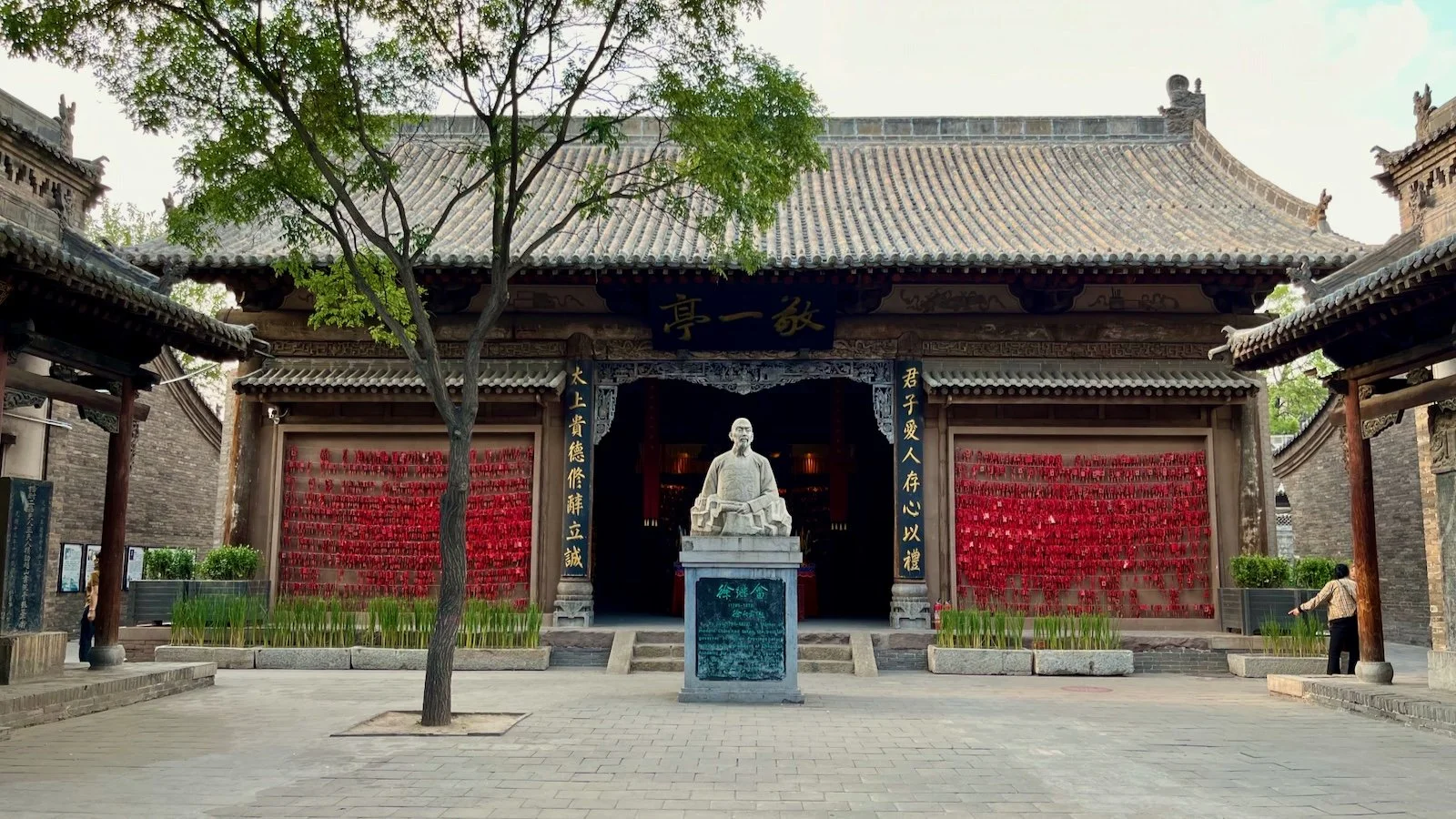
Pingyao Confucian Temple, also known as Wenmiao, is dedicated to the revered philosopher Confucius. Dating back to the Tang Dynasty, it is one of China's oldest and best-preserved Confucian temples, spanning five courtyards across 35,811 square meters. Pingyao Confucian Temple has been hailed as the "Little Forbidden City" for its intricate layout reminiscent of its grand counterpart in Beijing.
The temple complex is a marvel of traditional Chinese architecture, featuring iconic structures such as Lingxing Gate, Dacheng Hall, and Minglun Hall. Each courtyard holds its significance, from preparation sites for sacrificial ceremonies to classrooms and libraries. Visitors can immerse themselves in the history of imperial examinations and the revered teachings of Confucius, depicted through intricate statues, murals, and exhibitions.
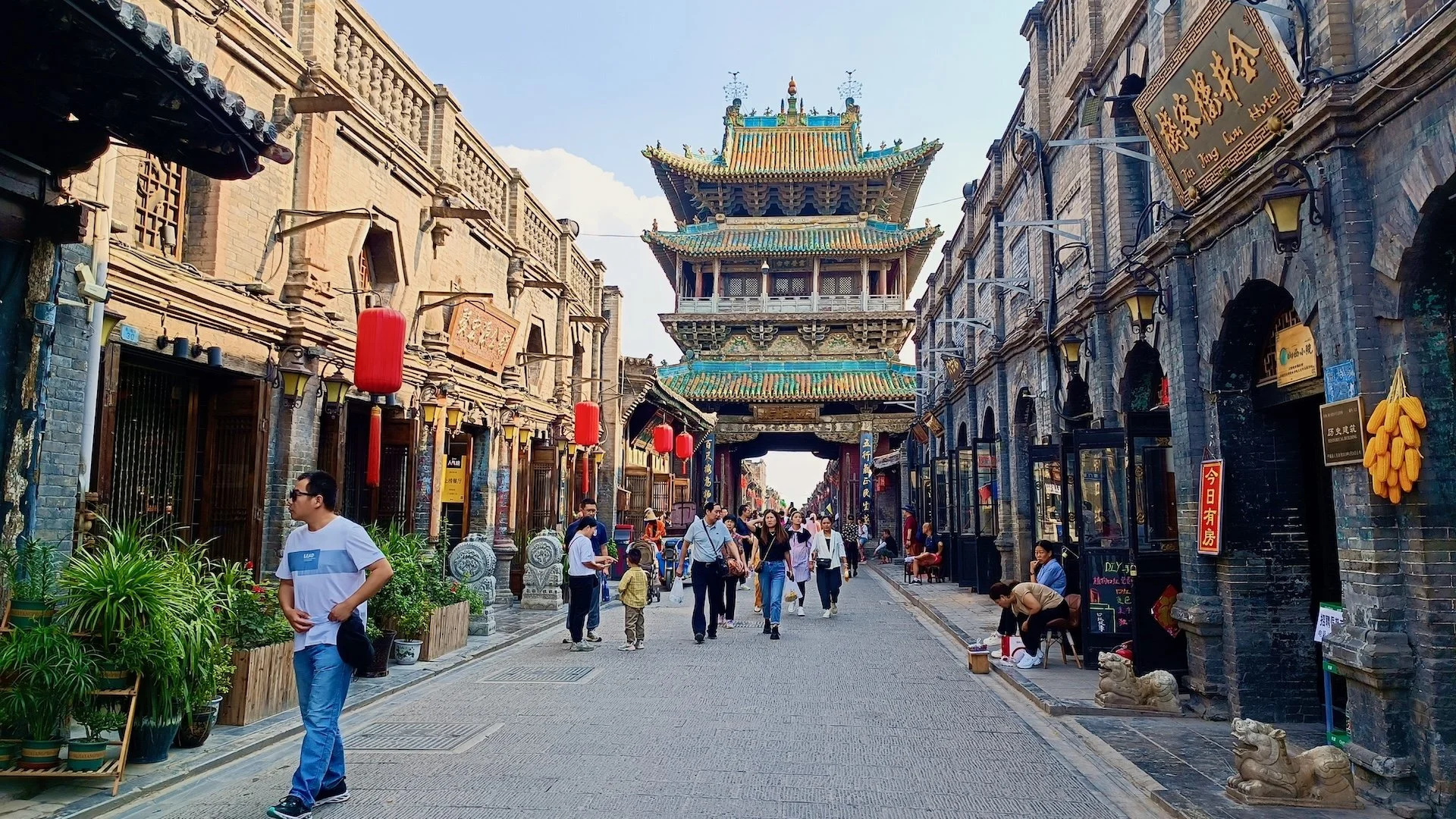
Established in 1856, the Ming-Qing Street thrived until 1913, serving as the bustling heart of Pingyao County's commerce. Dotted along this street are architectural marvels from the Ming (1368-1644) and Qing (1616-1912) dynasties, offering a glimpse into the region's rich history.
Designated as one of the first Renowned Chinese Cultural-Historic Streets in June 2009, Ming-Qing Street stretches 690 meters, running parallel to the East City Wall in the east and Shaxiang Street in the west. As the backbone of Pingyao Old Town's symmetric layout, it boasts 78 Ming and Qing-style ancient dwellings and famous shops lining both sides.
In its heyday, Ming-Qing Street played a pivotal role in politics, economy, and culture, attracting merchants from Shanxi who viewed it as prime real estate for their enterprises. Renowned establishments like Baichuantong and Kuichengyu silk shops, as well as traditional Chinese pharmacies like Yunjincheng, flourished here. Today, the well-preserved shops still echo the town's past glory, showcasing its unique local features and cultural heritage.
Today, Ping Yao's Ming and Qing Street continues to captivate visitors with its recovered ancient streets, offering a glimpse of what it was like in the golden age of Chinese commerce and culture. Aside from visiting the many small museums housed within this street, it is the perfect place to shop for souvenirs and grab a bite while in Pingyao.
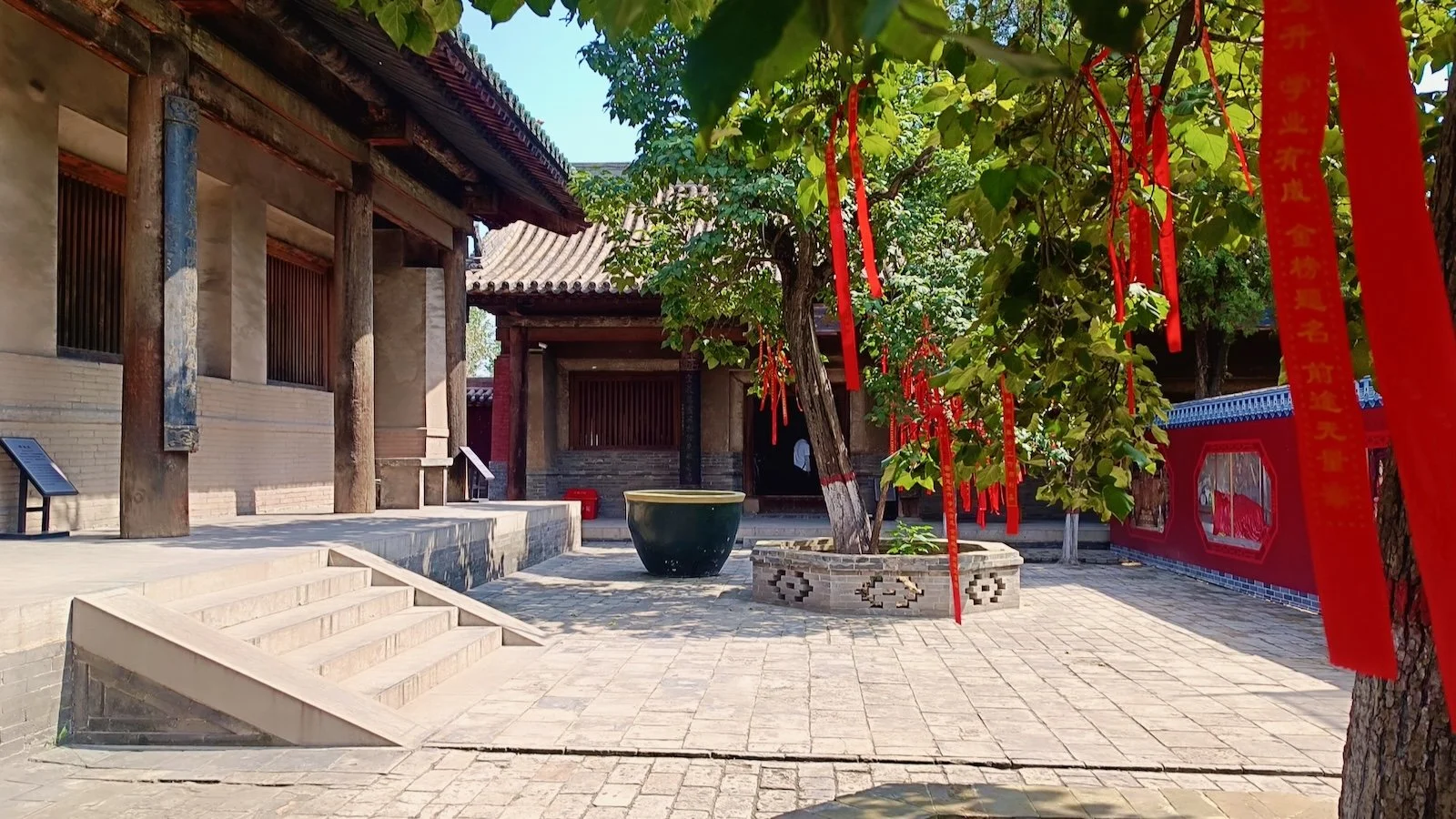
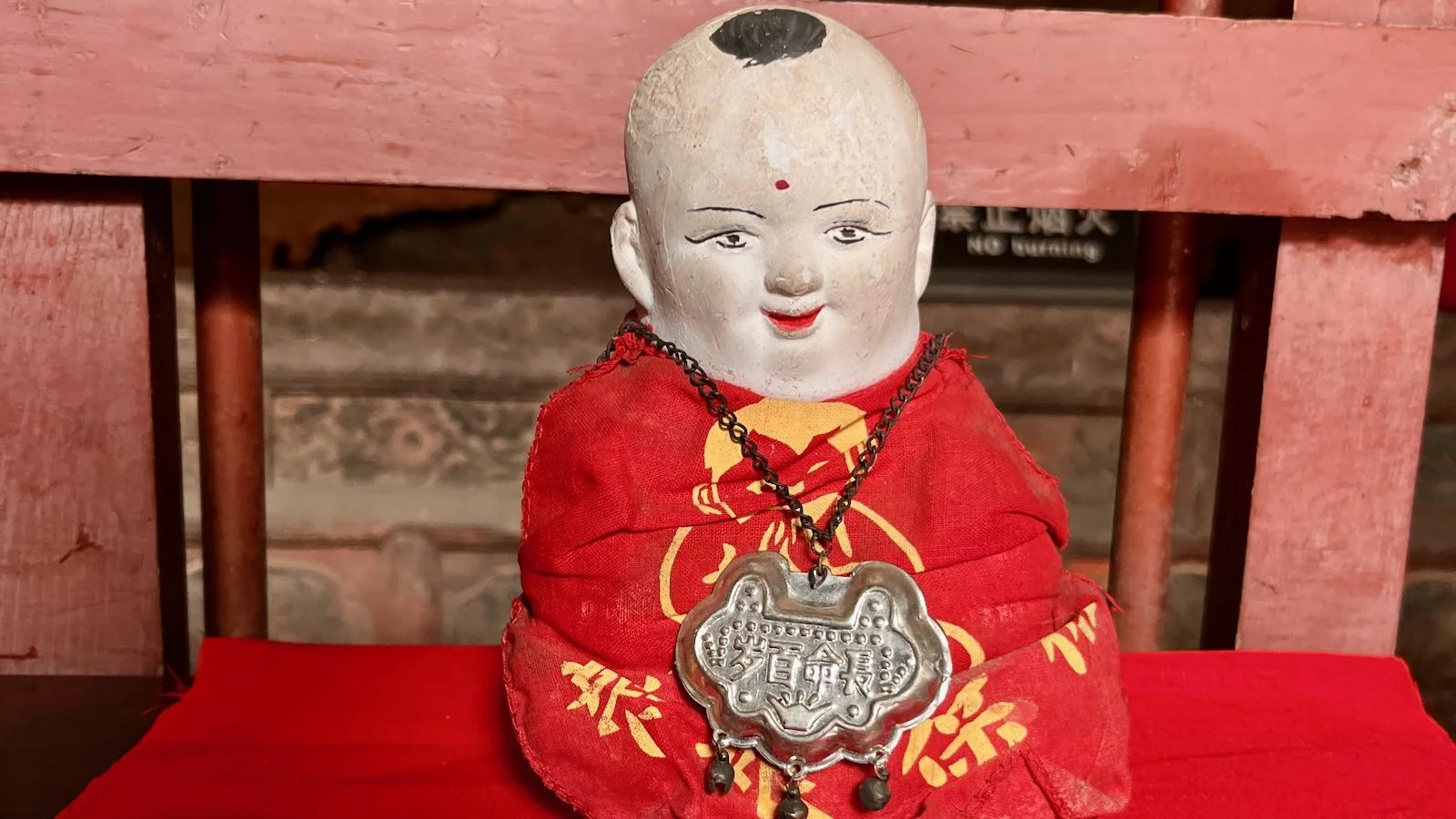
The Shuanglin Temple is situated approximately 6 kilometers outside the Pingyao Ancient City Wall, near Qiaotou Village. It makes for a great side trip, easily accessible by taxi, Didi, or even by electric bike.
Recognized as an important place for preserving China's cultural relics, this temple was included in UNESCO's World Heritage List in 1997, alongside Pingyao. Originally named Zhongdu Temple, its exact founding date remains uncertain, but it's believed to date back over 1500 years according to scripts carved on the stele of Song Dynasty (11th AD).
The temple is famed for its collection of over 2000 painted sculptures, showcasing the artistry of the Song, Yuan, Ming, and Qing dynasties. These sculptures, ranging from 30 centimetres to 3 meters in height, depict religious and secular themes with remarkable realism and detail.
Shuanglin Temple’s layout consists of ten halls each housing unique sculptures and artefacts. The Hall of Heavenly Kings, for instance, features imposing sculptures of Maitreya and four Heavenly Kings, while the Arhat Hall showcases eighteen arhats, each with distinct expressions and postures. Among the highlights is the Thousand Buddhas Hall, where a statue of Guanyin and Skanda are prominently displayed. Another noteworthy feature is the Bodhisattva Hall, housing the Thousand-Armed Guanyin sculpture.
The Shuanglin Temple has recently become even more famous for its appearance in the popular video game, Black Myth: Wukong. Visiting Shuanglin Temple allows fans to immerse themselves and explore in real life the stunning atmosphere of Black Myth: Wukong.
Price and Hours:
Ticket fee: CNY 35 per person
Recommended Visiting Time: 1 ~ 2 hours
Opening Hours:
March to November: 8:00 - 18:00h
December to February: 8:00 - 17:30h




Where to eat in Pingyao
Finding a good place to eat in Pingyao is not hard however it can be overwhelming due to the vast offer you will have available. Websites or apps like Google Maps, Apple Maps or TripAdvisor are not useful in China due to due to lack of content. We recommend using Trip.com as your go-to app when in China for reviews and photos of restaurants.
When strolling through the ancient streets of Pingyao you will find a wide range of delicious restaurants that offer the traditional delicacies of the Shanxi province. As a rule of thumb, when in doubt, choose the places that are full of locals. That typically means that the restaurant is good or famous. The Ming-Qing Street is a great place to start looking for your perfect dinner. Keep an eye out for local delicacies such:
Pingyao Braised Beef (平遥牛肉): Dating back to the Han Dynasty (220B.C.-202A.D.) and known nationwide Pingyao beef is renowned for its tender texture and strong fragrance. For this dish, the old ox is selected, salted in local salt for up to three months, and rinsed through alkaline well water for about twelve hours. You can find this dish in the most of the restaurants of the Ming and Qing Street.
Pingyao Wantuoze (平遥碗脱则): Invented during the Qing Dynasty (1644-1911) by Chef Dong Xuan, Wantuoze is a chewy and savoury dish made of white wheaten flour and steamed. Perfect with wine, it combines the best of bean jelly and sausage.
Make sure to drink the famous regional wine. A great place to try is in Changshengyuan, a century-old shop famous for its Yellow Wine. It is made from yellow sticky rice and wine yeast a perfect complement to Pingyao's flavours.
Where to stay in Pingyao
Pingyao has a wide range of accommodation options both in the inner and outer parts of the city wall. Inside the Ancient City Walls you will find many options in the beautiful ancient Chinese-style houses which will definitely add to your experience in the city.
One place we recommend is Pingyao Yiheju Inn. This is where we stayed while in Pingyao and we loved our time there. The room was very comfortable and beautifully decorated in the ancient Chinese style. The hosts were very kind and caring, providing helpful information and always ensuring that we were enjoying our time there. They even lent us their electric bike so that we could go out of the city wall and explore the Shuanglin Temple.
A wider range of accommodation options with the ancient Chinese style can be found bellow so that you can explore and find the perfect hotel for your stay in Pingyao:
How many days to visit Pingyao
If you want to limit your exploration to the inner wall, then one to two days are enough to visit Pingyao’s Ancient City Wall, the main historic streets, shops, museums and the multiple temples and restaurants. You may also have time to visit other attractions in the city such as Shuanglin Temple, Wang's Family Compound or The Qiao Family Compound.
But Pingyao can also be an excellent base to further explore the Shanxi region highlights such as the Mianshan (Mount Mian) or Datong. If you plan to extend your visit to these magnificent locations, staying at least 4 days is recommended.
How to get to Pingyao
China has an impressive railways network so trains are usually the fastest and most convenient means of transportation. They are affordable and easy to use and can be booked in advance with Trip.com. Booking at least a few days in advance is advisable as they tend to get full, particularly on weekends and around the holiday period.
From Beijing to Pingyao
The high-speed train departs from Beijing Fengtai train station and typically takes between 3 hours and 40 minutes to 4 hours and 15 minutes to reach Pingyaogucheng train station.
Prices vary from 226 CNY in 2nd class to 698 CNY in business class.
If you are on a budget sleeping trains are also available and they can cost as little as 169 CNY for a bed but take up to 11 hours to reach Pingyao railway station.
From Xi’an to Pingyao
From Xi’an you can take the high-speed train at Xi'an North station to Pingyaogucheng train station.
The journey takes about 3 hous and costs between 150 CNY and 450 CNY in business class.
Similarly, a sleeper train is also available once a day. It takes about 9 hours to arrive at Pingyao train station and the harder bed is priced at 142 CNY.
Arriving at Pingyao Train Station
Upon arrival at Pingyao train station, you have several options for transportation: you can take a taxi, a bus, or use the Didi app (available within the WeChat superapp) to request a ride. We usually prefer Didi to a taxi because it makes it a lot easier to communicate locations and prices if you do not speak the language.
If you opt for the bus to Pingyao Ancient City, it's both easy and affordable. After exiting the train station, head down the main entrance stairs to reach the bus stop. It's advisable to ask the bus drivers for assistance and show them a map of your destination. There are only a few bus options, so choosing the right one is straightforward. It's important to note that the bus will not stop inside the ancient city. Instead, it will stop outside, requiring a 5 to 10-minute walk to reach the inner part of Pingyao Ancient City.
For a simpler and more enjoyable experience when visiting Pingyao, you could consider an organized travel package or guided tours that include transportation, food and guides. Below are some tours in Pingyao that can make your trip more stress-free and help you to better comprehend the history of this ancient city.
Best Pingyao tours
Best time to visit Pingyao
Shoulder Months: Autumn and Spring offer a pleasant climate for visiting Pingyao, making it one of the best times to explore both Pingyao and nearby attractions like Datong and Mianshan. Mild temperatures, clear skies, and fewer tourists create an ideal atmosphere for sightseeing.
December to February: Winter in Pingyao brings cold temperatures, occasionally dropping below freezing, along with intermittent snowfall. Visitors are advised to dress warmly and prepare for cold weather conditions during this time.
June to August: Summer marks the peak tourist season in Pingyao, with temperatures ranging from warm to hot. Despite the crowds, it's an excellent time to explore the ancient city and partake in its numerous cultural events and festivities.
Travel tips in Pingyao
Entrance Fee / Prices
While there is no admission fee for entering the Ancient Town of Pingyao, visiting museums and temples within the town requires an entry fee.
Visitors can either pay the entrance fees individually at each attraction or purchase a city town pass/tourist card.
Priced at 150 CNY, the town pass grants access to all sights within the city walls and is valid for 2 days. We highly recommend purchasing the town pass, as it is cheap and streamlines the experience by saving the time necessary to purchase tickets individually at each location.
Attractions near Pingyao
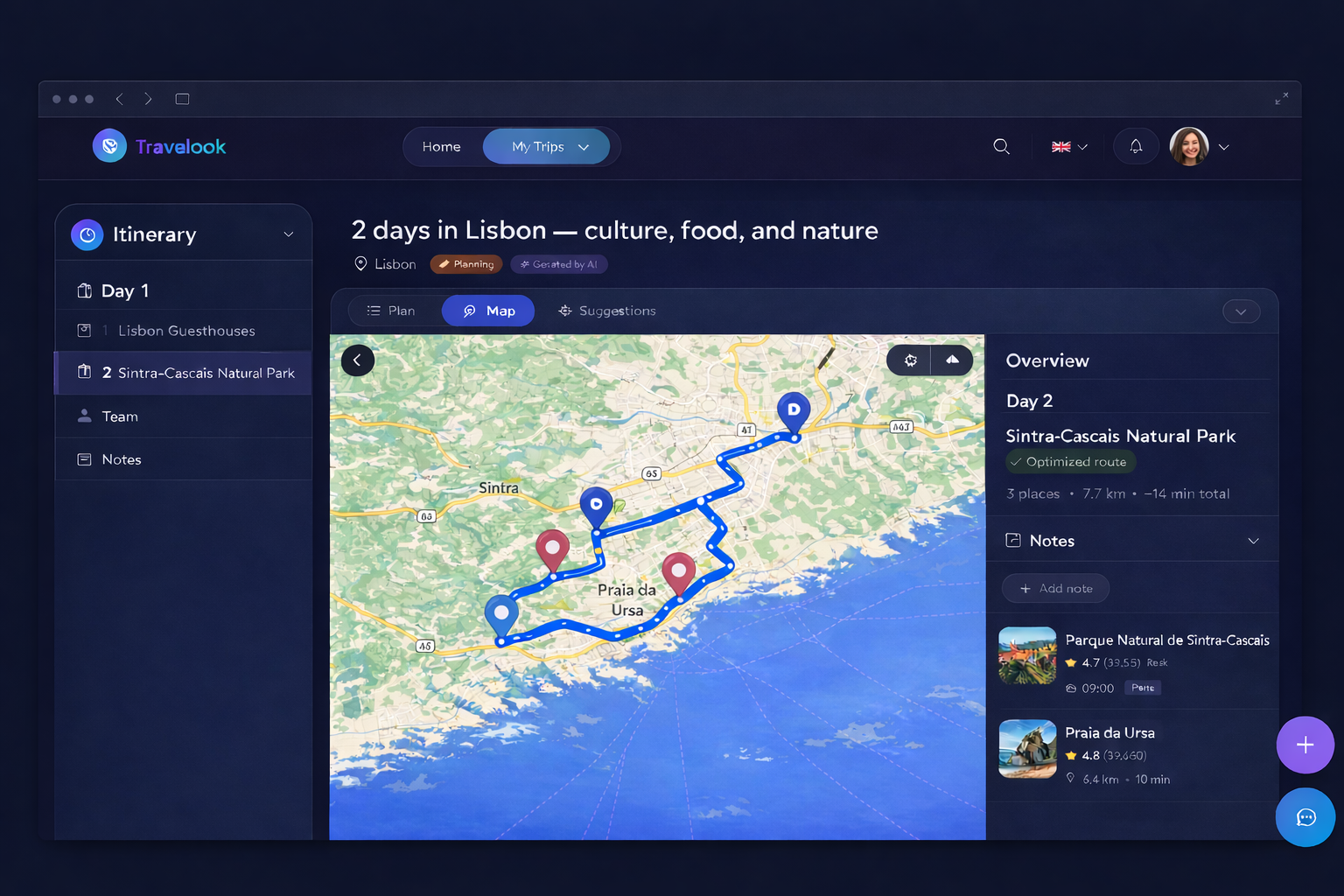
Travelook Trip Planner
Plan smarter trips in one place with the new Travelook web experience.
Use Travelook to prepare your next journey:
- Get AI-generated recommendations
- Discover places on maps: attractions, restaurants, cafes, and more
- Book flights, tours, and attraction tickets
- Invite friends to collaborate on your itinerary
- Follow other travel enthusiasts for ideas and tips
Don’t forget to follows us!
Disclosure: Some of the links in this post may be affiliate links. This means that if you click on the link and make a purchase, we may receive a small commission at no extra cost to you. This helps us continue to provide valuable content and recommendations for our readers. Thank you for your support!