
8 Places You Must Visit in China
Top Landmarks From a Northwest Trip to China

China is a land of fascinating contrasts where ancient tradition blends seamlessly with modern innovations. From iconic landmarks to breathtaking natural landscapes, China offers plenty of attractions that cater to all kinds of travellers. Whether you are drawn to the historic wonders of the Great Wall of China, the mystical aura of the Mianshan mountain, or the futuristic skyline of Chongqing, China has something for everyone.
In this blog post, we will explore some of the must-see attractions that make China a top destination for tourists from around the world. The following list is our curated selection of highlights from our recent journey through Northwest China. Experience the essence of China's past and present, and be inspired by the beauty and diversity that make this country a treasure trove of unforgettable experiences.
Our Must-see Landmarks in Northwest China


8. Dujiangyan Irrigation System
About 60 km from Chengdu, Dujiangyan is home to one of the oldest and most unique irrigation systems in China. Dating back over 2,200 years, it was designed to control flooding and distribute water to the fertile Chengdu Plain. This ingenious feat of hydraulic engineering is now a UNESCO World Heritage Site and continues to sustain the region's agricultural prosperity to this day. It is also the only surviving non-dam irrigation system from the ancient past.
The project was designed by Li Bing, a local official of Sichuan Province, and put to work by tens of thousands of labourers. They built long bamboo baskets filled with stones (Zhulong) and held in place with wooden tripods (Macha). It uses the natural topography and hydrological features to aid the irrigation system by draining sediment and controlling flooding and water flow.
On this site you will not only be able to see this marvel of Chinese engineering but also remarkable monuments like Erwang Temple, Fulong Temple and Anlan Suspension Bridge. Additionally, the beauty of the natural surroundings with the Ming River and Yulei Mountain in the background had to the calm atmosphere of the historic place. On the top of the mountain, the Yulei Pavilion offers dazzling views of the whole Dujiangyan city and irrigation system.


7. Forbidden City, Beijing
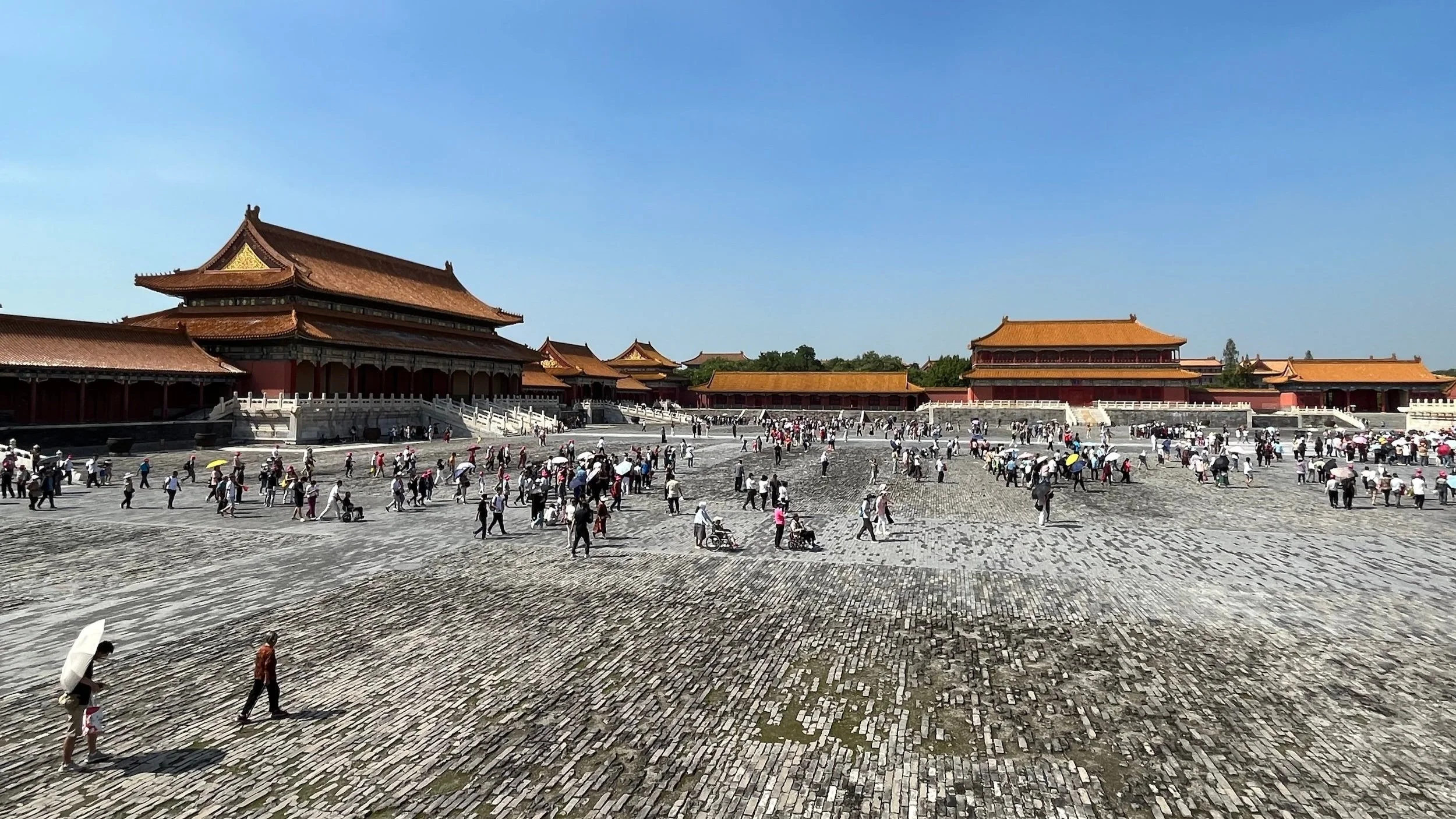
In the centre of China’s capital, Beijing, lies one of the most recognisable landmarks of China, the Forbidden City. This impressive temple complex was built during the Qing dynasty and served as the residence of the Emperors as well as the political and ceremonial centre of the Chinese government for over 500 years. Receiving about 19 million visitors each year, the Forbidden City is listed as the most valuable palace in the world, evaluated at 70 billion US dollars.
The construction of the Forbidden City started in 1406 and required over one million workers. The main materials used in the construction are wood and marble. It is regarded as one of the largest and most well-preserved collections of wooden structures in the world palaces. The palace is mostly divided into three main areas: (1) the defensive gates, with the Meridian Gate being the main gate which opens to Tiananmen Square; (2) the Outer Court where ceremonies were performed and (3) the Inner Court where the Emperor and his family lived and worked.
Visiting the Forbidden City has the power to transport us back to an era of imperial grandeur and dynastic rule and to marvel at the architectural work of the ancient Chinese artisans. Be sure to reserve about a day to have time to see all the main highlights of the Forbidden City and to book your visit in advance, as it usually sells out easily.
In order to have a better experience and avoid any issues regarding the entrance tickets, we highly recommend you to use the following option: Forbidden City Admission Ticket. The operator understands and writes in english, so it makes it very easy to have a conversation with them in order. They will buy the ticket for the day and time you want to start the visit and then you just need to use your passport on the Forbidden City main entrance. In case your are looking for a tour, then we recommend this one: Private Beijing Walking Tour of the Forbidden City.


6. Xi'an
Xi'an, the capital of Shaanxi province, holds a significant place in Chinese history, tracing back to the Zhou Dynasty in the 11th century BC. It was the first capital of a unified China during the Qin Dynasty, where the Emperor commissioned the construction of his mausoleum and the renowned Terracotta Army to protect him in his afterlife. Today, the Terracotta Army stands as one of the greatest archaeological sites, drawing millions of visitors to Xi'an annually.
In addition to its historical significance, Xi'an served as the eastern departure point of the Silk Road, making it an essential crossroad for people from China, Central Asia, and the Middle East. This diverse ethnic and religious environment can still be seen today in the city. Xian offers everything from Buddhist temples like the Giant Wild Goose Pagoda or the Guangren Temple to Muslim mosques like the Great Mosque of Xian. The city's multicultural heritage is also reflected in its bustling street food scene of Xian, particularly in vibrant areas such as the Muslim Quarter or the Old Market.
Other major Xian attractions include the impressive City Wall built during the Qing Dynasty and the historic Drum and Bell Towers from the same period. Cycling atop the City Wall is a unique way to appreciate Xi'an, offering refreshing perspectives of the city's storied past and dynamic present.

5. Pingyao
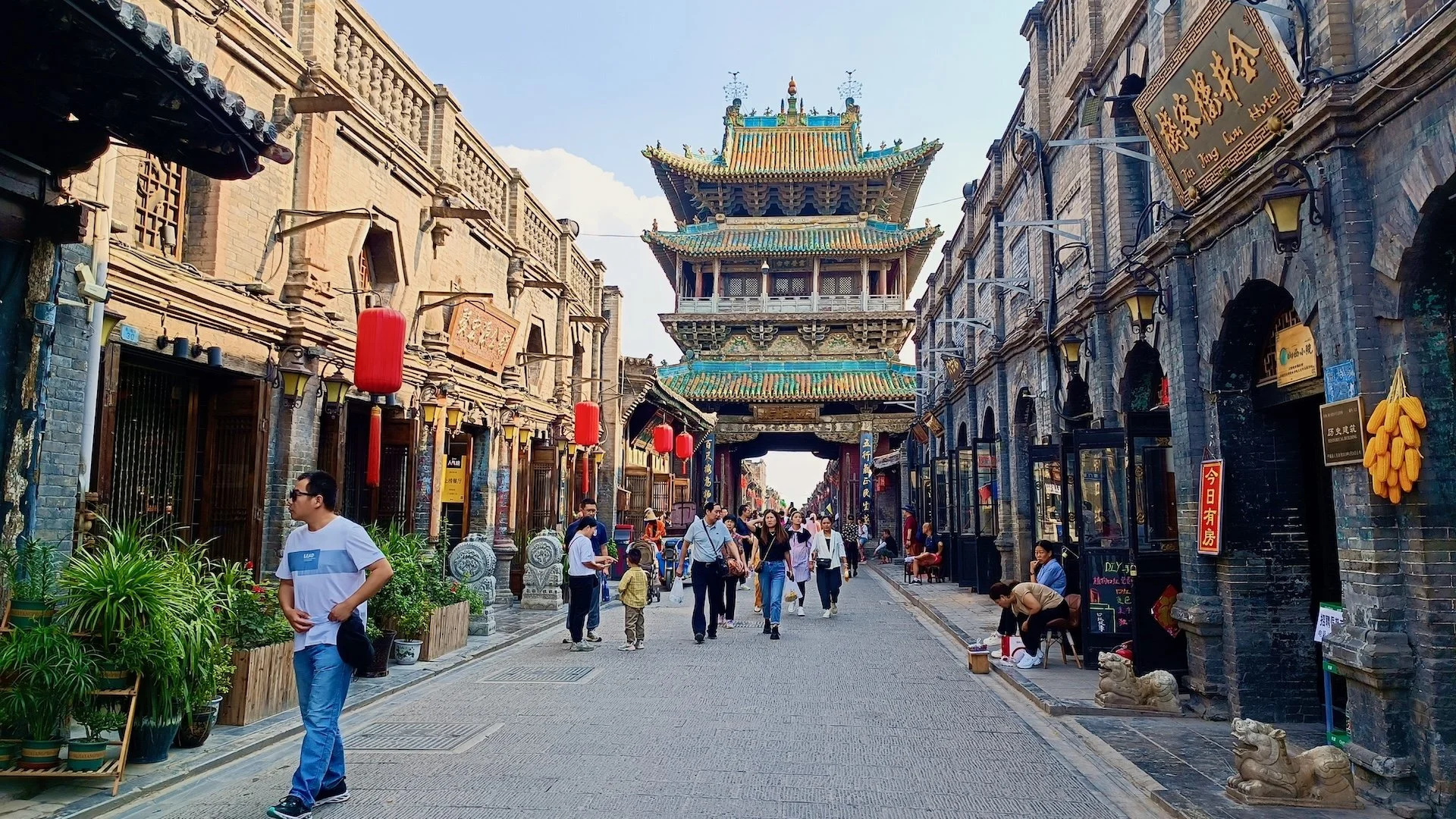
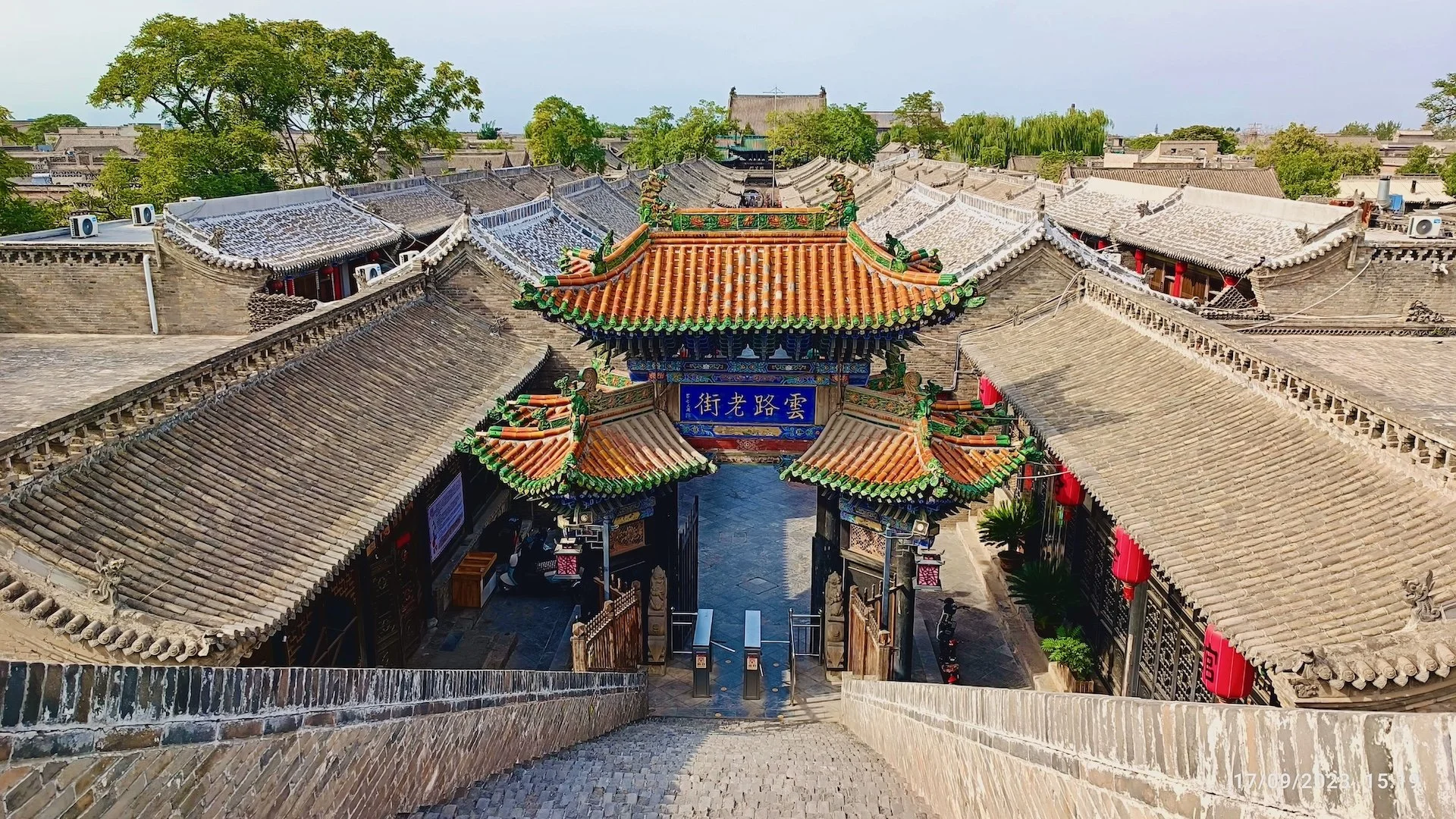
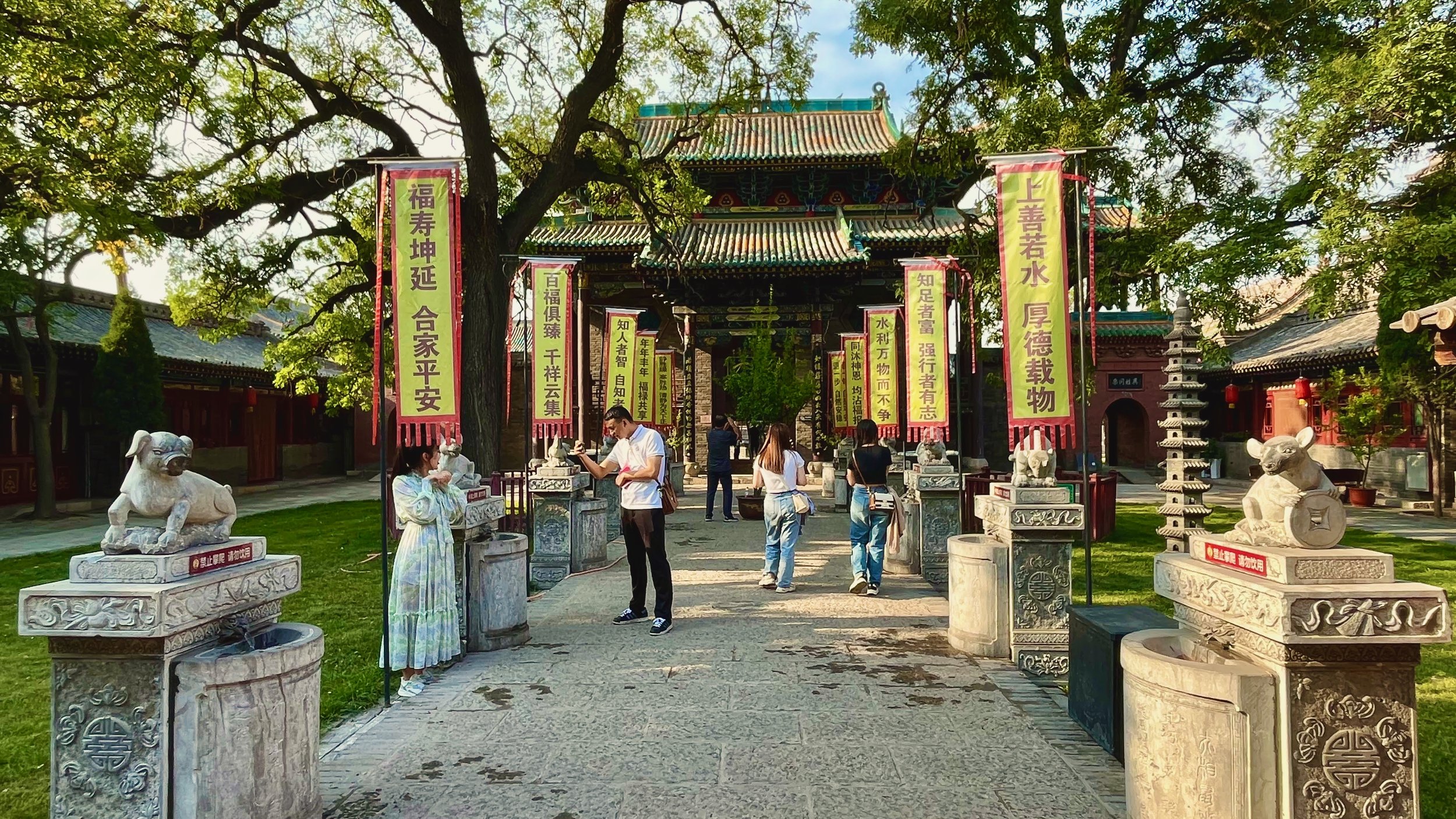
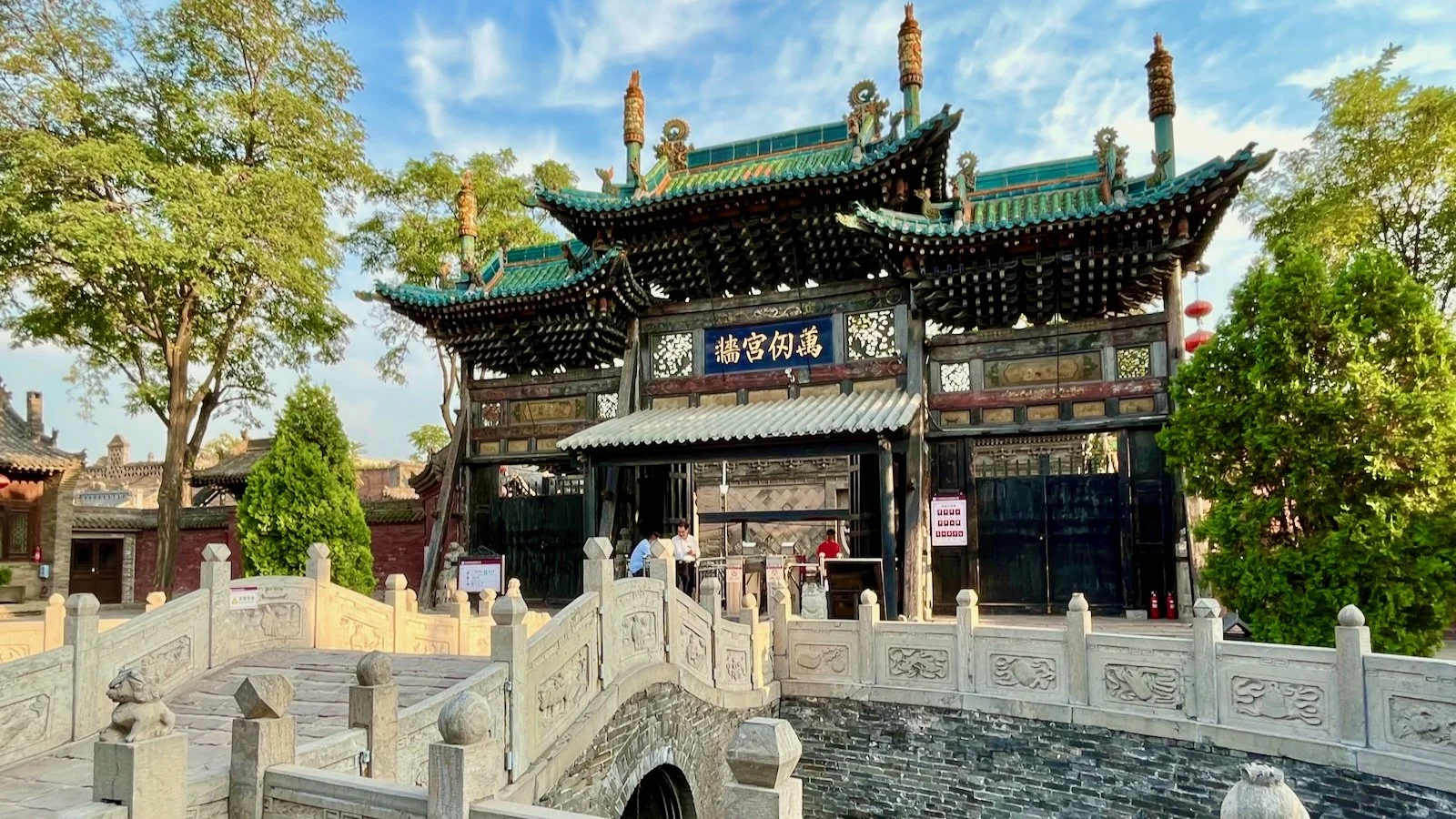
Pingyao is a famous ancient city from the Ming and Qing dynasties located in Jinzhong, Shanxi Province in the North of China, about 600km from Beijing.
The city has gained a reputation for its strong commitment to architectural preservation, yet its past tells a different story. In the 1970s, Pingyao was in a state of full decay, but the deterioration process was eventually stopped by Ruan Yisan’s pressure, a professor and fierce protector of ancient Chinese architecture, who believed that this heritage should be saved and preserved. Due to his efforts and activism, Pingyao gates, walls, residences, shops and governmental buildings are now kept to it’s original state.
This formidable endeavour transformed Pingyao into an excellent example of ancient city preservation in China, catalyzing tourism growth in the region and inspiring similar efforts nationwide. Designated as a Historic and Cultural City of China in 1986 and recognized as a UNESCO World Cultural Heritage Site in 1997, Pingyao stands as a testament to successful heritage conservation.
Traditional residences have been repurposed into hotels, restaurants, tea rooms, and wine houses, providing tourists with an authentic experience of the local lifestyle. Additionally, homes belonging to historical figures have been converted into museums, showcasing the heritage of prominent families. Through these restoration efforts and tourism investments, visitors can now glimpse into Pingyao's vibrant past.
A day trip or an extended stay in Pingyao is not merely recommended – it is an absolute must for anyone seeking to truly immerse themselves in the heart and soul of China's rich cultural heritage.


4. Chongqing
With a population exceeding 30 million, Chongqing stands out as the major financial hub in the Sichuan region. This city is under direct administration by the Central Chinese Government, aiming to foster development in the central and western areas of the country. Additionally, Chongqing played a crucial role as China's wartime capital during the Second Sino-Japanese War (1937–1945), underscoring its historical and contemporary importance.
Chongqing, a remarkable Chinese metropolis, is uniquely situated amidst mountains and rivers. The cityscape is characterized by skyscrapers that cling to steep hills, providing stunning views of the meandering Yangtze River. As night falls, Chongqing transforms into a vibrant display of lights, with captivating light shows illuminating skyscrapers and bridges, drawing both visitors and locals to the riverbanks for a mesmerizing spectacle.
Experience the vibrant street life of Chongqing at Honya Cave, a night market reminiscent of scenes from Studio Ghibli movie Spirited Away. The market boasts an array of street food, restaurants, quaint shops, and entertainment options. Notably, it offers sweeping views of the illuminated skyscrapers in the Yuzhong District and the Twin River Bridges.
Beyond its modern facade, Chongqing is steeped in history and tradition. Wander through the labyrinthine streets of Ciqikou Ancient Town, savour the rich flavours of Sichuan cuisine, and learn about the city's tumultuous past at the Three Gorges Museum. Ascend to the sprawling E'ling Park atop a hill for panoramic views of the city, and navigate through the local "hutongs"—narrow alleyways—to immerse yourself in the authentic local lifestyle of this enchanting city.
Chongqing beautifully balances its ancient heritage with modern urbanity, seamlessly blending natural surroundings with cutting-edge architecture. This fusion creates a futuristic ambiance that lingers in the memory long after departing from this dynamic city.


3. Great Wall of China - Mutianyu
The Great Wall of China stands as a remarkable engineering marvel, consisting of a vast network of interconnected walls, fortifications, and natural defenses rather than a single continuous structure. This monumental project, built and rebuilt over centuries, required the combined efforts of hundreds of thousands of laborers. It is estimated that approximately 3.8 billion bricks, along with various materials such as stone, earth, and wood, were used in its construction. In total, the Great Wall spans an estimated 13,171 miles and weighs a staggering 58 billion tons. This colossal undertaking took several generations to complete, with construction spanning over multiple dynasties and periods of Chinese history.
Located just 90 minutes away from bustling Beijing, Mutianyu stands as a serene oasis amidst the bustling crowds of its neighbouring sections of the Great Wall. Unlike the popular tourist hubs of Badaling and Juyongguan, which are easily accessible by train and often teeming with visitors, Mutianyu offers a more tranquil alternative without compromising on the awe-inspiring beauty of this ancient marvel. Even though it may not be as remote as Jinshanling, Simatai, or Jiankou, Mutianyu strikes a perfect balance for those seeking a peaceful escape within easy reach of the capital city.
The easiest way to reach Mutianyu is through a tour as there is no direct connection to this section of the Wall. We recommend using Mubus tour operator. This operator conveniently takes you from Beijing on nice buses, take care of all the details, such as food and tickets, and let you explore the Wall at your own pace.


2. Mianshan, Jiexiu, Jinzhong
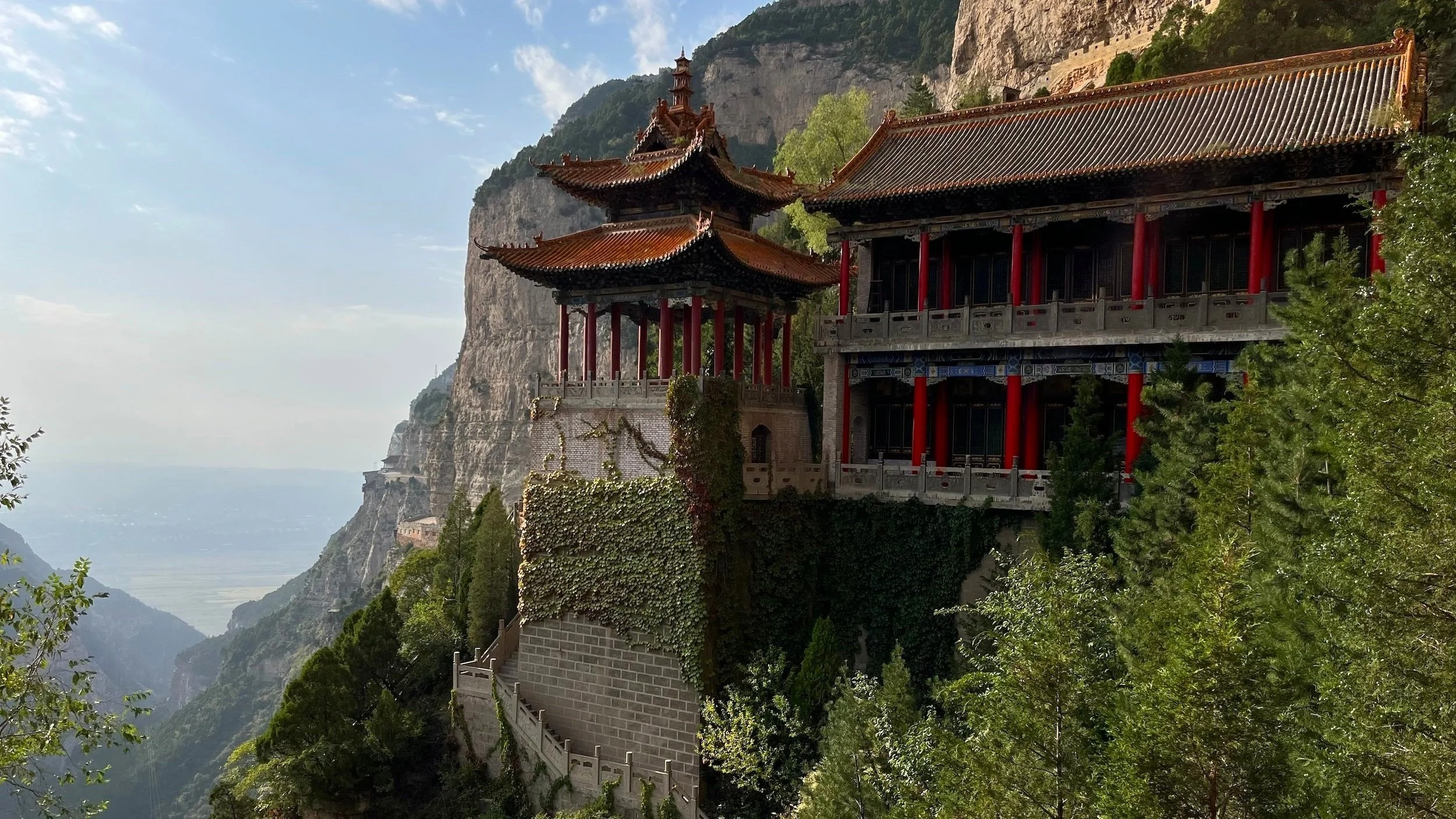
In the remote reaches of China's Shanxi province, lies Mianshan. This unique mountain range is filled with ancient Taoist temples clinging to the rugged cliffsides, adrenaline-filled nature trails and a rich history and folklore.
Hike the daring Qixian Valley through suspended bridges and metal planks suspended to the cliff sides and discover the fantastic history of Jie Zitui, a famous official from ancient China. Visit his final resting place and the stunning colorful temple built in his homage. Home to a stunning array of temples, Lord Jie Temple.
Get fantastic views of the dramatic cliffs and rock formations from the seven-store pagoda at Zhengguo Pagoda. Contemplate the unique collection of mummified Buddhist monks housed at Zhengguo Temple. They devoted their lives to meditation, gradually letting go of earthly activities like eating, drinking, and even breathing in pursuit of transcendence and still preserved today in their meditation pose.
Admire the spectacular architectural features of the Mianshan by descending the elevated pathway Sky Plank Road that winds its way along the sheer cliffs, providing stunning views of the surrounding landscape. Explore the Yunfeng Cave Temple or wander around the Tiānqiáo Sky Bridge to marvel at the panoramic views and ingenuity of Ancient Chinese architecture.
Mianshan offers those and many other attractions which makes for an ideal day trip for all of those who want to explore the spirituality of Taoism, learn about Chinese folklore and history, or simply contemplate the magical rugged landscape at the hearth of the Shanxi province.
1. Qingcheng Shan, Chengdu
Qingcheng Shan is one of the most beautiful and mystical places across China, with an unparalleled charm, and enchanting surroundings. What sets Qingcheng Shan apart is its harmonious fusion of natural splendor and rich cultural heritage. Its lush forests evoke a sense of enchantment, while the abundance of springwaters adds a refreshing dimension to the experience.
This charming little town is a must-visit to all who are interested in Taoism, the main native religion in China, and its connection to the exuberance of the lush Sichuan mountains, the last habitat of the famous Chinese mascot - the panda.
But that is not all, from witnessing the ingenuity of Chinese Ancient engineering at the Dujiangyan Irrigation System to soaking in magnificent outdoor thermal pools, Qingcheng Shan has something to wow every traveler avid for nature, culture, or relaxation.
The Qingcheng Shan Village is a prime base to explore the UNESCO heritage site of Mount Qingcheng and the Dujiangyan Irrigation System.


Front Mountain
Nested in the lush landscapes of Sichuan province, Mount Qingcheng stands as one of the most sacred Taoist mountains in China. The mountain is not only a testament to ancient Chinese philosophy but has also captured the imaginations of modern audiences as it inspired the mythical Panda Village in the beloved Pixar movie, Kung Fu Panda.
Despite the allure of encountering wild pandas in their natural habitat, the dense trails and the popularity of the mountain can make such sightings challenging. Nevertheless, the cultural richness, stunning landscapes, and subtle charm of Mount Qingcheng make it an enchanting destination. Its serene trails wind through ancient temples, hidden caves, and dense forests, providing a surreal backdrop that seemingly transports visitors into the animated world of Po.
To get more details on what to see in and how to best prepare your visit follow our guide for Qingcheng Shan: Front Mountain.


The Back Mountain
Qingcheng Shan's Back Mountain offers a serene and less trodden path for explorers. Known for its lush landscapes and ancient Taoist heritage, this part of the mountain contrasts with its more frequented counterpart, presenting hikers with tranquil forests, mystical cave temples dating back to the Jin Dynasty, and a rich biodiversity.
It is also a vital habitat for the giant panda, nestled within dense bamboo forests that are crucial for their survival. This secluded area not only provides a peaceful hiking experience but also a chance to witness China's efforts in conservation and the preservation of its cultural and natural heritage.
Planning to visit the Qingcheng Shan's Back Mountain? Follow our guide to Qingcheng Shan: Back Mountain to get all the details about the hiking trail to the mountain and how to prepare for your journey.
Travel Tips for China
To book hotels and even trains in China from a foreign country, Trip.com is your best bet. It has a wide range of options and is much more affordable than a traditional travel agency.
When traveling to a completely different country like China, we recommend you to get a Travel Insurance like Insubuy or VisitorsCoverage to get you covered.
Providing data during a trip is always crucial, but it can sometimes be a real headache. That's why we're offering two options: airalo is a eSIM (card-free) option that's incredibly convenient, allowing you to top up if you need more (a recommended and proven option in China, capable of bypassing the Chinese firewall), and DrimSim for universal physical SIM cards.
Travelook App
For additional itineraries on China and beyond download the Travelook app!
Use Travelook functionalities to prepare your next trip:
- Get AI generated recommendations
- Use Maps to discover places to visit, restaurants, cafes, things to do and much more!
- Book flights, tours and attractions tickets in one place
- Invite your friends to collaborate on your travel plan
- Follow other travel entusiasts for ideias and tips


Don’t forget to follows us!
Disclosure: Some of the links in this post may be affiliate links. This means that if you click on the link and make a purchase, we may receive a small commission at no extra cost to you. This helps us continue to provide valuable content and recommendations for our readers. Thank you for your support!

Qingcheng Shan Village is a prime base to explore the UNESCO heritage site of Mount Qingcheng and the Dujiangyan Irrigation System.