

Nagano
The heat of the Japanese Alps.
What to see in Nagano
Surrounded by the dramatic peaks of the Japanese Alps, Nagano was originally a temple town built around Zenkoji Temple. Later gained worldwide recognition as the host of the 1998 Winter Olympics, which transformed it into a hub for winter sports and nature exploration.
Zenkoji Temple is one of Japan’s most important and historic temples. Founded over 1,400 years ago, it houses what is said to be the first Buddhist statue ever brought to Japan. The temple's main hall is an architectural masterpiece, but one of the most intriguing experiences here is the Okaidan Meguri, a pitch-black underground passage beneath the main altar. As you navigate in complete darkness, you’re meant to touch the “Key to Paradise,” a hidden lock said to grant salvation.
Outside the temple, the historic Nakamise Street is lined with traditional shops, tea houses, and inns that have served pilgrims for centuries. Nearby, the Nagano Gondo area offers a more modern side of the city. This lively district is a hub for shopping, dining, and entertainment, with covered arcades housing small boutiques, izakayas, and cozy cafés. It’s a great place to unwind after visiting the temple, whether you're in the mood for a casual meal or a night out.
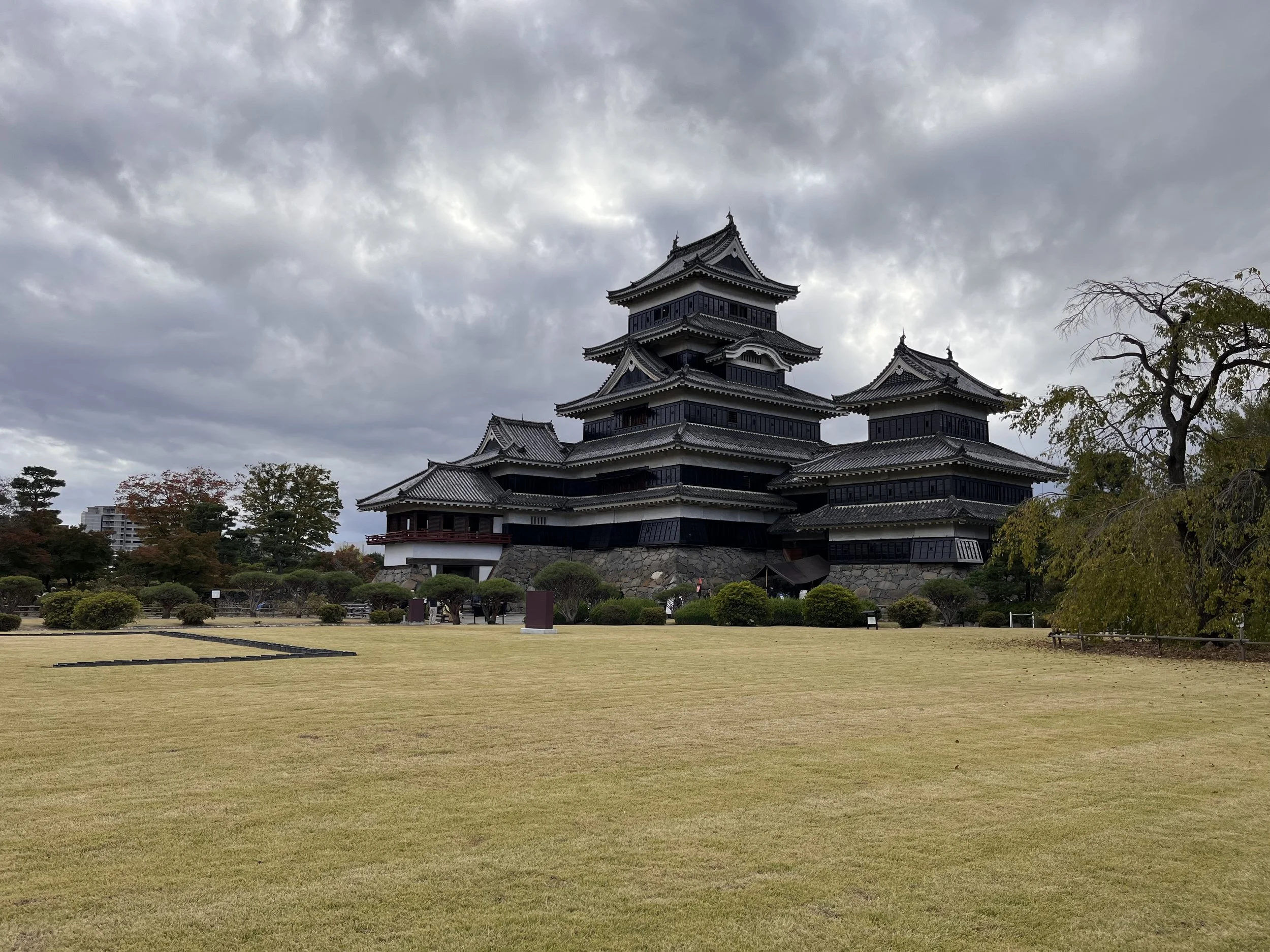
For those interested in Japan’s samurai heritage, Matsushiro, Nagano’s old samurai district, is a great place to start. Once home to the powerful Sanada clan, this area is filled with well-preserved samurai residences, tranquil gardens, and even a hidden World War II war bunker. If you have time consider a short train ride to Matsumoto, another city deeply tied to samurai history. Its historic districts feature Edo-period merchant homes and former samurai residences, but the true highlight is Matsumoto Castle. Known as the "Crow Castle" for its striking black facade, this national treasure is one of Japan’s few original castles.

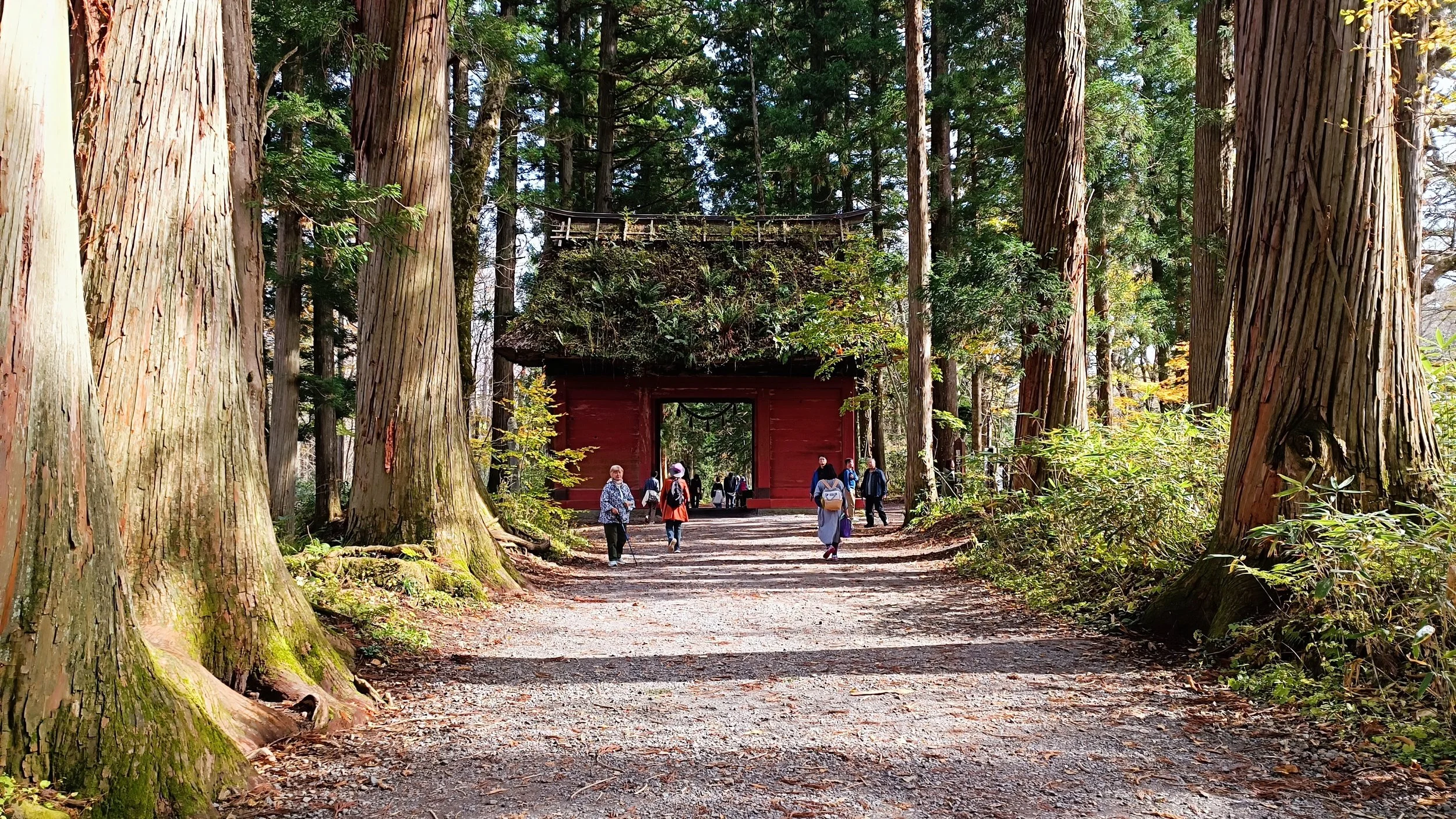
When summer and autumn arrive, it's time to explore the Japanese Alps on foot. For an easily accessible nature escape, head to Togakushi, home to the legendary Togakushi Shrine trail. This beautiful hike leads through towering cedar forests to centuries-old shrines, offering a mix of history, spirituality, and stunning scenery. Togakushi is also famous for its ninja heritage, with a dedicated ninja museum and trick house, perfect for those interested in Japan’s warrior past.
No visit to Nagano is complete without exploring the stunning nature that surrounds the city. In winter and early spring, Nagano transforms into a skiing paradise, with some of Japan’s best ski resorts just a short trip away. The nearby Shiga Kogen and Nozawa Onsen offer excellent slopes, breathtaking scenery, and plenty of après-ski relaxation in natural hot springs. For a unique winter experience, Jigokudani Monkey Park in Joshinetsu Kogen National Park is a must-visit. Here, wild Japanese macaques escape the cold by soaking in steaming hot springs, creating one of Japan’s most iconic winter scenes.
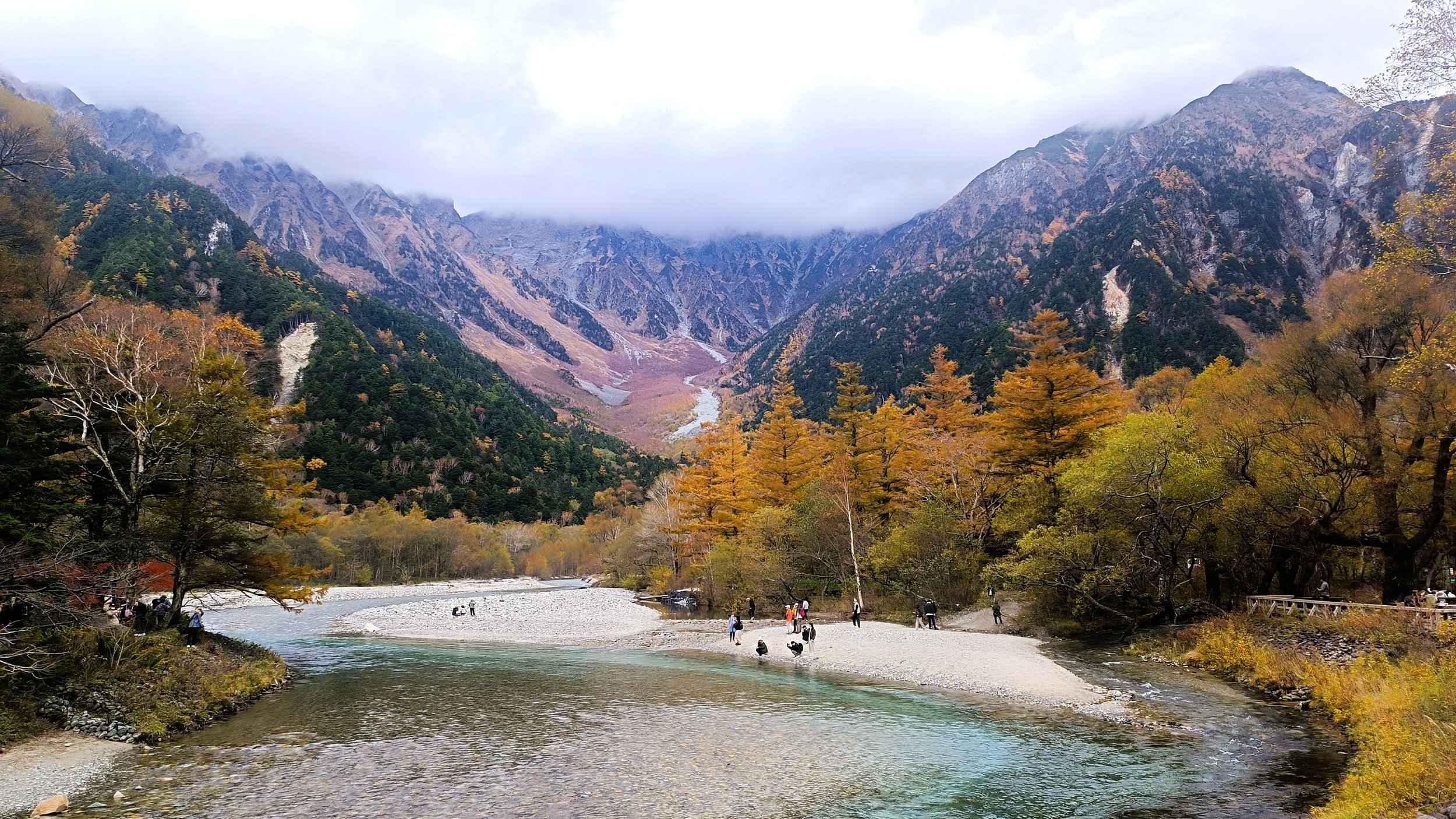
For those wanting to venture deeper into the Alps, Kamikochi is the ultimate destination. This breathtaking mountain valley, only open from spring to autumn, offers crystal-clear rivers, alpine trails, and spectacular views of the Hotaka mountain range. Whether you're up for a leisurely riverside walk or a more challenging trek, Kamikochi is the perfect place to experience Japan’s untamed wilderness. It’s especially magical in autumn, when the vibrant foliage transforms the landscape into a painter’s dream.




Day Trips from Nagano
Tours in Nagano
What to Eat in Nagano
Nagano is known for its hearty mountain cuisine, and Shinshu Soba (buckwheat noodles) is the must-try dish. Enjoy it cold with a dipping sauce or in a warm broth, especially in winter. Another specialty is oyaki, a grilled or steamed dumpling filled with ingredients like pickled greens, pumpkin, or sweet red bean. If you're feeling adventurous, try basashi (horse sashimi), a local delicacy often served with soy sauce and garlic. Nagano is also famous for its high-quality miso, which gives depth to soups, hot pots, and grilled dishes.
Finding a traditional place to eat in Nagano can be a challenge, as many local restaurants don’t have English menus and may turn away tourists, especially in smaller, family-run establishments. Your best bet is to explore Nagano Gondo, a historic nightlife district filled with narrow alleys of izakayas and local bars. While it offers an authentic experience, some places here may be less accommodating to non-Japanese speakers. For a more welcoming atmosphere, head to Minami-Chitose, near Nagano Station. This area has a mix of izakayas, casual restaurants, and bars with younger staff who are generally more open to tourists and may even have English menus. If you're looking for a friendly place to try Nagano’s local specialties, Momiji Chaya (もみじ茶屋) is a great choice. This cozy and authentic izakaya is happy to accommodate visitors and serves all the regional favorites.
How to get to Nagano
Japan has an extensive and well maintained railway network so trains are usually the fastest and most convenient means of transportation. Tickets can be easily brought at the train stations or booked in advance through Klook. Usually booking in advance is not necessary unless it is an holiday period or events such as festivals when tickets usually sell out fast.
Transportation in Japan can however be quite expensive so you may consider acquiring the JR Pass or other area-specific passes to cut transportation costs significantly.

By Public Transportation

Getting to Nagano is easy, thanks to its well-connected transportation network. The fastest and most convenient way is the Hokuriku Shinkansen, which runs between Tokyo and Kanazawa.
From Tokyo
The Hokuriku Shinkansen departs regularly (every 20 to 30 minutes) from Tokyo Station, reaching Nagano Station in about 90 minutes. The one-way tickets cost approximately 8,500 yen for an unreserved seat.
For a budget alternative, the journey from Tokyo can also be done by bus. It takes about 4–5 hours, with tickets starting at around 3,500 yen. The buses depart from Shinjuku Expressway Bus Terminal and arrive at Nagano Station’s East Exit.
From Kanazawa
The Hokuriku Shinkansen (Hakutaka and Kagayaki services) runs frequently between Kanazawa and Nagano. The travel time is about 65–90 minutes, depending on the train type and a one-way ticket costs approximately 6,000 yen for an unreserved seat.
There is no direct bus from Kanazawa to Nagano.
From Nagoya
Travelers from Osaka or Kyoto can take the Tokaido Shinkansen to Nagoya and transfer to the Shinano Limited Express.The Shinano Limited Express takes around 3 hours to reach Nagano ands costs approximately 6,500 yen one-way. This very scenic route passes through the Kiso Valley and the Japanese Alps, making for a beautiful journey.
Alternatively, you can take the bus from Nagoya Meitetsu Bus Center, which cost about 3,500 yen and reaches Nagano Station in around 4 hours. This is the most budget-friendly option, but reservations are recommended, especially on weekends and holidays.
Organized Tour
For a seamless and stress-free experience consider a guided tour. Most tour include local guides, transportation and tickets to major attraction in the area. Are are some suggestions of top rated organized tours in Nagano:
Where to Stay in Nagano
For the best access to Nagano’s main attractions, staying near Nagano Station is the most convenient option. This area has a wide range of hotels, from budget-friendly business hotels to more comfortable stays, and it provides easy access to trains and buses for day trips to Matsumoto, Togakushi, and Jigokudani Monkey Park.
For a more traditional experience, a ryokan near Zenkoji Temple offers a quieter atmosphere. These inns often feature tatami rooms, futon bedding, and even private onsen baths. Staying here lets you explore the temple grounds in the early morning before the crowds arrive and enjoy the historic streets lined with teahouses and small shops.
For those looking to unwind in an onsen, Yudanaka Onsen is a great option, especially in winter. This historic hot spring town is the closest stay to the Jigokudani Monkey Park and is also a gateway to Shiga Kogen, one of Japan’s top ski resorts. Here, you’ll find charming ryokan with steaming outdoor baths, perfect for relaxing after a day on the slopes.
If you’re planning to explore the Japanese Alps, consider staying in Hirayu Onsen or Fukuji Onsen towns. Located in the Okuhida region, this onsen villages are well-connected by bus and serves as a great base for Kamikochi. It offers traditional ryokan stays and soothing open-air private baths, making it an excellent retreat for those wanting to experience both Nagano’s cultural and natural beauty
Top Hotel Recommendation in Nagano
Best time to visit Nagano
Nagano is a year-round destination, with each season offering unique experiences. For general sightseeing and outdoor activities, late spring to autumn (April to November) is the best time to visit, while winter is perfect for snow sports and onsen retreats.
❄️ Winter (December – March): Ideal for skiing and snowboarding in resorts like Hakuba and Nozawa Onsen. It’s also the best time to see the Jigokudani Snow Monkeys soaking in hot springs.
🌸 Spring (April – May): Cherry blossoms bloom around early to mid-April, especially near Zenkoji Temple and Matsumoto Castle. The weather is pleasant for sightseeing.
☀️ Summer (June – August): A great time for hiking in Togakushi or Kamikochi, as the Japanese Alps offer cooler temperatures and stunning green landscapes.
🍁 Autumn (September – November): One of the best seasons to visit. Kamikochi, Togakushi, and the surrounding mountains are covered in breathtaking autumn foliage, usually peaking from early to mid-October.
Travelook App
For additional itineraries on Japan and beyond download the Travelook app!
Use Travelook functionalities to prepare your next trip:
- Get AI generated recommendations
- Use Maps to discover places to visit, restaurants, cafes, things to do and much more!
- Book flights, tours and attractions tickets in one place
- Invite your friends to collaborate on your travel plan
- Follow other travel entusiasts for ideias and tips


Don’t forget to follows us!
Disclosure: Some of the links in this post may be affiliate links. This means that if you click on the link and make a purchase, we may receive a small commission at no extra cost to you. This helps us continue to provide valuable content and recommendations for our readers. Thank you for your support!