

Kamikochi
Autumn wonderland at the heart of the Japanese Alps
What to see in Kamikochi
Kamikochi is a stunning alpine valley filled with breathtaking scenery, crystal-clear rivers, and some of the most picturesque hiking trails in Japan. Deep within Chubu Sangaku National Park, this remote paradise remains untouched, offering a rare escape into the heart of the Japanese Alps. Whether you're here for a relaxing nature walk or a more challenging trek, there’s plenty to see and explore.
Your journey begins the moment you step onto the bus, winding through dramatic mountain scenery before reaching the valley. The bus makes several stops, but we recommend getting off at Akandana Parking first. Here, you have WC, a luggage storage facility and many place to grab snacks before heading in. Be aware that prices tend to be expensive, specially for storage. If you’re coming through Hirayu, consider storing your bags at Hirayu Bus Station lockers which offer a more budget-friendly alternative
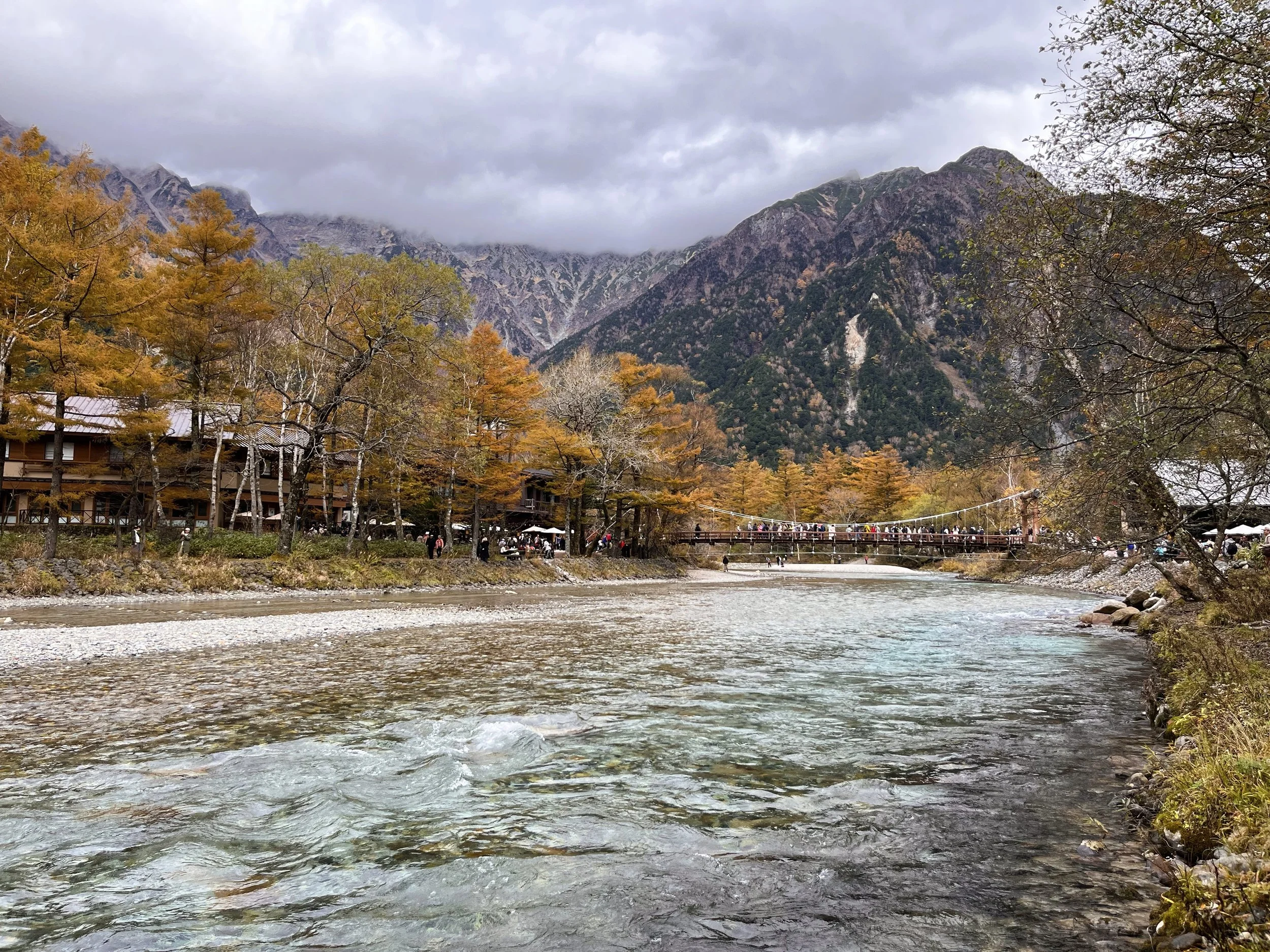
From there, head to Kappa Bridge, the heart of Kamikochi. This wooden suspension bridge spans the crystal-clear Azusa River and offer the perfect place for photograph of the snow-capped Hotaka Range. Its name comes from the kappa, the mythical water creatures from Japanese folklore. These mischievous spirits are said to live in rivers and lakes, luring people into the water. While you won’t find any real kappa here, the peaceful yet powerful flow of the river certainly gives the area a mystical atmosphere.
Here also start multiple trails lead into Kamikochi’s breathtaking landscapes, offering something for every level of hiker. Whether you’re looking for a leisurely walk or a more demanding trek, each path reveals a different side of this alpine paradise.

For a slightly longer and more varied route, head north towards Myojin Pond, a two-hour round trip that passes through serene forests and a beautiful marshland with boardwalks allowing you to walk above the wetlands. The Myojin Pond is a sacred site within Hotaka Shrine’s Inner Sanctum, where the still waters perfectly reflect the towering peaks above. Entry to the pond requires a ¥500 fee. This area is also home to Japanese macaques and, on rare occasions, Asian black bears, making it an ideal choice for those hoping to spot some wildlife. Even though bear sights are rare, it is a good idea to bring a bell when hiking this area.
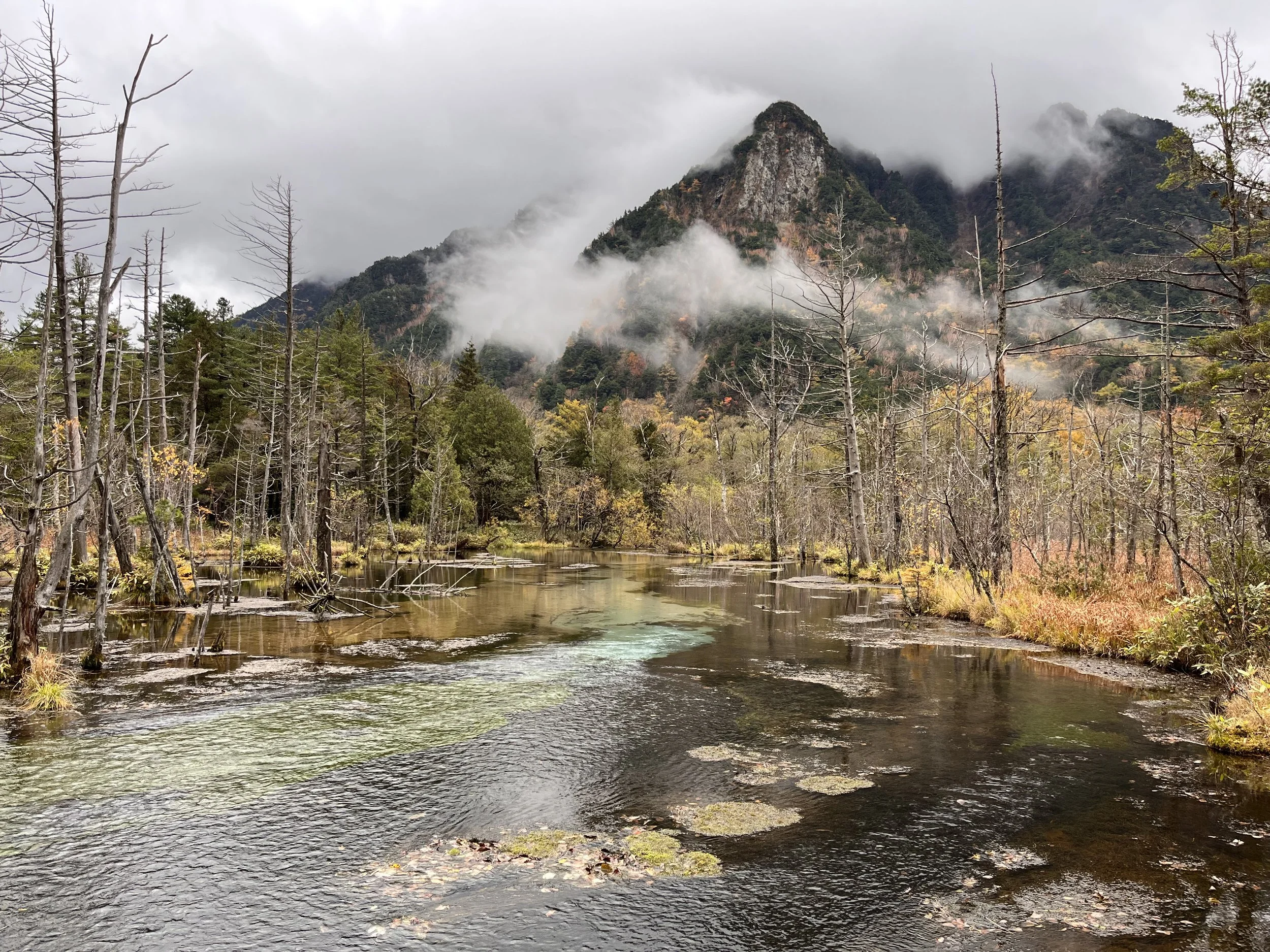
For an easy and leisurely walk, head south to Taisho Pond, which takes about one hour along a mostly flat trail following the Azusa River. Along the way, you’ll be treated to panoramic views of the Hotaka Range and the Yake-dake volcano. Taisho Pond was formed by a volcanic eruption, and its still waters create a mesmerizing mirror effect, reflecting the surrounding peaks and the eerie, submerged trees that rise from its surface.
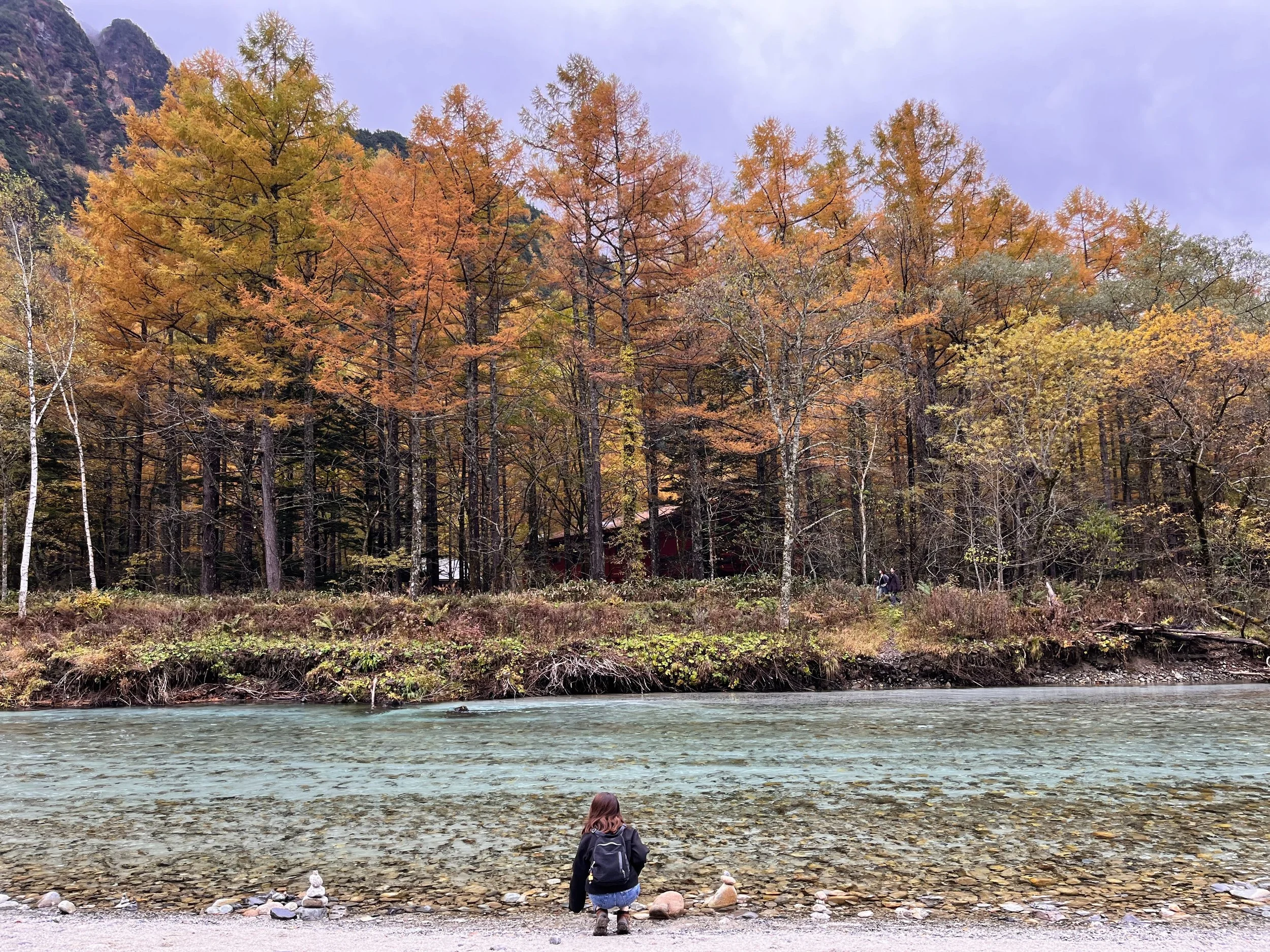
For experienced hikers, a more challenging option is to continue north toward Karasawa Cirque, a full-day trek that takes about six to eight hours one way. This trail gradually ascends into the heart of the Japanese Alps, offering breathtaking mountain views and alpine meadows. It’s a demanding hike but a rewarding one, especially in autumn when the slopes turn brilliant shades of red and gold.




Nearby Attractions
Where to Stay near Kamikochi
For those wanting to stay inside Kamikochi, the Kamikochi Imperial Hotel is the most luxurious option. This historic hotel blends classic European elegance with Japanese hospitality, offering stunning mountain views, fine dining, and a top-notch service. If you prefer something more adventurous, the Konashidaira Camping Ground provides a budget-friendly, nature-immersed experience. With rental tents and simple cabin options, it’s a fantastic choice for outdoor enthusiasts who want to wake up to the sound of the river and fresh alpine air.
For a more authentic and relaxing experience, staying in one of the nearby Okuhida Onsengo towns, such as Hirayu or Fukuji, is a great alternative. These traditional hot spring villages are just a short bus ride from Kamikochi and offer charming ryokan stays with open-air baths, where you can soak in mineral-rich waters surrounded by nature. Hirayu Onsen is the particularly convenient, as it serves as the main transfer hub for buses to Kamikochi, while Fukuji Onsen offers a quieter, more rustic atmosphere. After a long day of hiking, there’s nothing better than unwinding in a steaming onsen with views of the mountains while enjoying the traditional Japanese hospitality. On Fukuji, we highly recommend the place where we stayed during our time on Takayama, called Onyado Hisui.
If you have limited time or prefer to stay in the city, Takayama and Matsumoto make great bases. Both towns have direct bus access to Kamikochi, as well as a wider range of accommodation options, from budget guesthouses to high-end hotels. Takayama, with its preserved Edo-era streets and morning markets, is a great choice if you enjoy exploring historical districts. Meanwhile, Matsumoto, home to one of Japan’s most stunning original castles, is perfect for those who love history and architecture.
Top Hotel Recommendation in Kamikochi
Where to Eat in Kamikochi
Kamikochi has a few simple eateries where you can grab a meal, mostly concentrated around Kappa Bridge. Here, you’ll find small restaurants serving Soba, Udon, Oyakodon (chicken and egg rice bowl), and Japanese curry—perfect for a warm, satisfying meal after a hike. There are also some cafés in the area, offering coffee, light snacks, and soft-serve ice cream.
If you venture for an hike, there are also a few cozy cafés near Taisho Pond and Myojin Pond, where you can take a break and enjoy a drink with scenic views. However, dining options in Kamikochi are limited, and prices tend to be higher than in nearby towns. If you plan to spend the whole day exploring, it’s a good idea to bring your own snacks or a packed meal to stay energized throughout your adventure.
How to Get to Kamikochi
Public transportation is the only way to get to Kamikochi as private cars are not allowed inside the area. You you are driving, you will have to leave the car at Hirayu Onsen Town parking lot and either take the bus or taxi there.
There are two main bases to reach the heart of the Japanese Alps:
By Public Transportation

From Takayama
The fastest way to reach Kamikochi is from Takayama. During peak season, from April to November, there are some direct buses to Kamikochi, however those are infrequent so, in most cases, you will need to switch buses at Hirayu Onsen Town.
The bus departs from the Nochi Bus station, located next to the town’s train station and takes about 1 hour to reach Hirayu. It costs about 1750 Yuan.
Once in Hirayu, there, the staff you help you find your way into the bus bound to Kamikochi, which takes about 25 minutes and costs about 1200 Yuan.
The buses depart frequently, but the schedules are seasonal, so you best check the Nohi Bus timetables or Google Maps, which is usually up to date.
From Matsumoto
Alternatively, you can take the Alpico Bus from Matsumoto Bus Terminal, next to Matsumoto train station.
Again, rom Spring to Autumn, there are some direct buses which are the most convenient option. However, those are seasonal and infrequent.
If those are not available at your desired travel time, the alternative is to change buses at Shin-Shimashima station.
This journey takes approximately 30 minutes and costs about 750 Yuan.
From Shin-Shimashima station, the bus to Kamikochi will take a little over 1 hour and costs about 2600 Yuan.
By Organized Tour

For a seamless and stress-free experience consider a guided tour. Most tour include local guides, transportation and tickets to major attraction in the area. Are are some suggestions of top rated organized tours to Kamokochi:
Best Time to Visit
Kamikochi is a seasonal paradise, open only from mid-April to mid-November, and each time of year offers something special:
Spring (Mid-April – June) 🌿
Spring in Kamikochi starts slow, with snow lingering on the peaks and trails when the park reopens in mid-April. By May, fresh greenery takes over, and the landscape comes alive with the arrival of warmer weather. This is a great time to enjoy peaceful trails and fewer crowds, especially around Taisho Pond, where you can see stunning reflections of Mt. Yake. The Kamikochi Opening Festival on April 27 marks the official start of the season.
Summer (July – August) ☀️
If you love hiking, summer is perfect. The weather is warm but comfortable, with highs around 20–25°C, and the mountain air keeps it refreshingly cool. The trails are at their best, with lush green forests, wildflowers, and clear blue skies. However, this is also peak tourist season, so expect more visitors, especially in August when many Japanese travelers take summer holidays.
Autumn (September – November) 🍁
This is the most magical time to visit Kamikochi, especially if you love autumn foliage. September is crisp and quiet, and by early October, the valley transforms into a golden wonderland. The larch trees turn a brilliant yellow, contrasting beautifully with the deep blue of the Azusa River and the snow-dusted peaks. This is the best time for photography and scenic walks, but keep in mind that temperatures drop quickly as November approaches. Kamikochi closes for winter on November 15.
Travelook App
For additional itineraries on Japan and beyond download the Travelook app!
Use Travelook functionalities to prepare your next trip:
- Get AI generated recommendations
- Use Maps to discover places to visit, restaurants, cafes, things to do and much more!
- Book flights, tours and attractions tickets in one place
- Invite your friends to collaborate on your travel plan
- Follow other travel entusiasts for ideias and tips


Don’t forget to follows us!
Disclosure: Some of the links in this post may be affiliate links. This means that if you click on the link and make a purchase, we may receive a small commission at no extra cost to you. This helps us continue to provide valuable content and recommendations for our readers. Thank you for your support!