

Takayama
The heat of the Japanese Alps.
What to see in Takayama
Located in Japan’s Gifu Prefecture, framed by the rugged Japanese Alps, Takayama is a city where history and tradition come alive. Once a prosperous hub for carpenters and artisans, Takayama earned a reputation for its skilled craftsmanship during the Edo period. This expertise was so renowned that Takayama’s artisans were often summoned to Kyoto and Edo (modern-day Tokyo) to work on imperial and shogunate projects. The city retained much of its old-world charm thanks to its remote location, making it a living museum of Japan’s cultural past.

Takayama’s most celebrated tradition is the Takayama Matsuri, which is also one of the most famous festivals in Japan. Twice a year, in Spring and Autumn, centuries-old floats depart from Hie Shrine and Sakurayama Hachimangu Shrine in a grand procession. The town’s streets come alive with centuries-old yatai (festival floats) elaborately decorated with carvings, lacquer, gold leaf, embroidered drapery nd even feature mechanical puppets (karakuri). Throughout the festival, you’ll find traditional music and performances, with locals dressed in colourful, historical attire and the streets lined with food stalls selling festival treats like skewered dango, takoyaki, and grilled fish.

Takayama’s charm extends to its peaceful canals, and bustling shopping streets and beautiful countryside. Nearby, the city’s more modern shopping streets, like Hanaoka-cho and Asahimachi, offer a mix of trendy boutiques, traditional shops, and cozy cafes, perfect for those seeking a blend of old and new. The canals that weave through parts of the city add to its picturesque appeal, especially in spring when cherry blossoms reflect on the water, or in winter when snow blankets the banks, creating a serene alpine scene.

The heart of the city is Takayama’s historic old town, known as Sanmachi Suji, near the river. With its narrow streets lined by well-preserved wooden buildings, sake breweries, and small shops, this area offers a glimpse into life during the Edo period. It’s easy to lose track of time wandering through these charming streets, soaking in the atmosphere of the past and trying different types of sake and the amazing snacks. Landmarks like Takayama Jinya offer a rare opportunity to step inside a functioning administrative building from Japan’s feudal era.
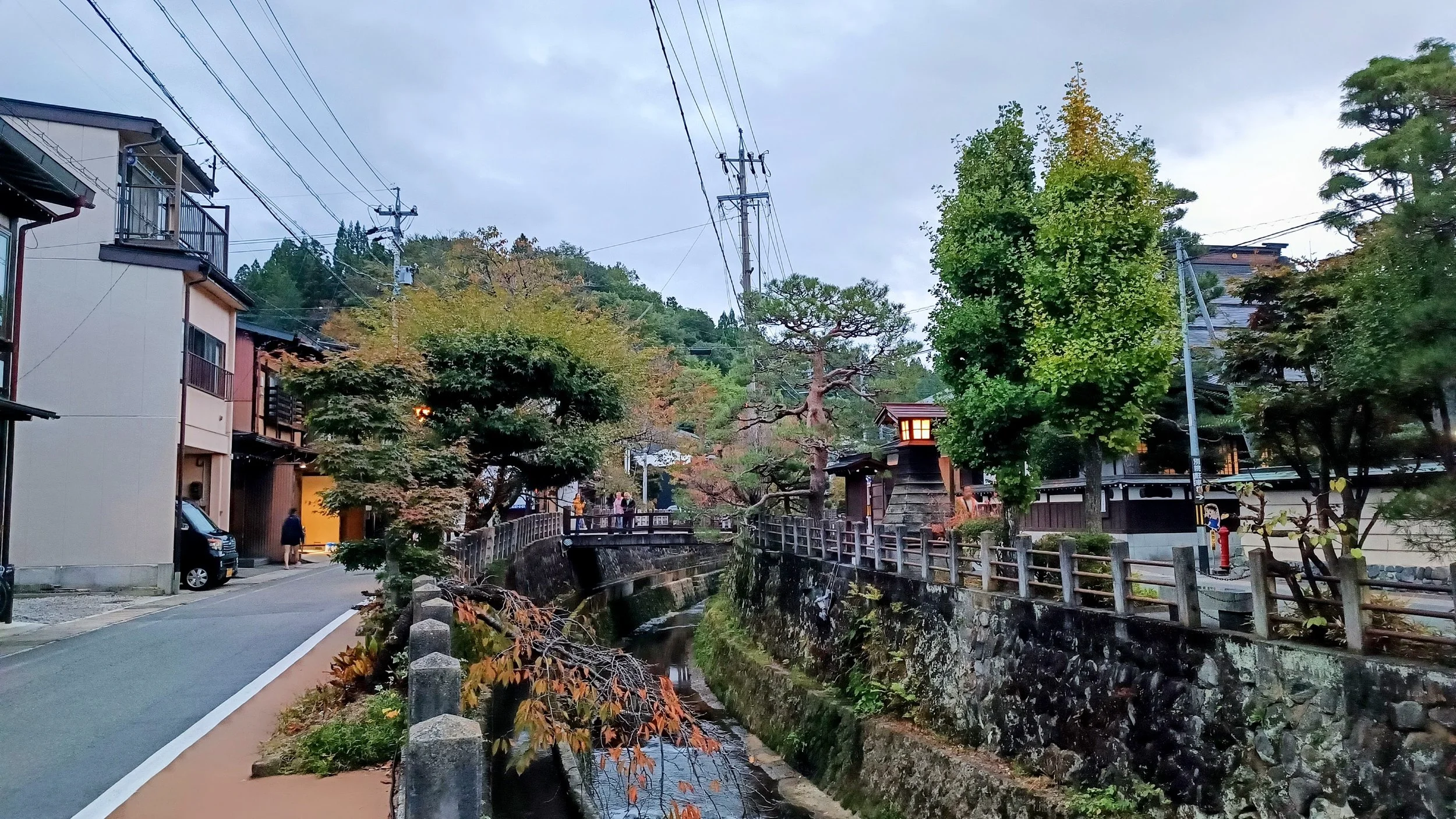
Surrounding the town centre are small houses among little rice fields irrigated by the Miyagawa River which retain the feeling of agricultural roots that have sustained the region for centuries. For an immersive experience of rural life, the Hida no Sato museum brings this heritage to life. With its collection of thatched-roof farmhouses, tools, and artefacts, it offers a glimpse into how people lived and worked in the Hida region’s rugged mountain environment.




Top Attraction in Takayama
Day Trips from Takayama
Tours in Takayama
What to Eat in Takayama
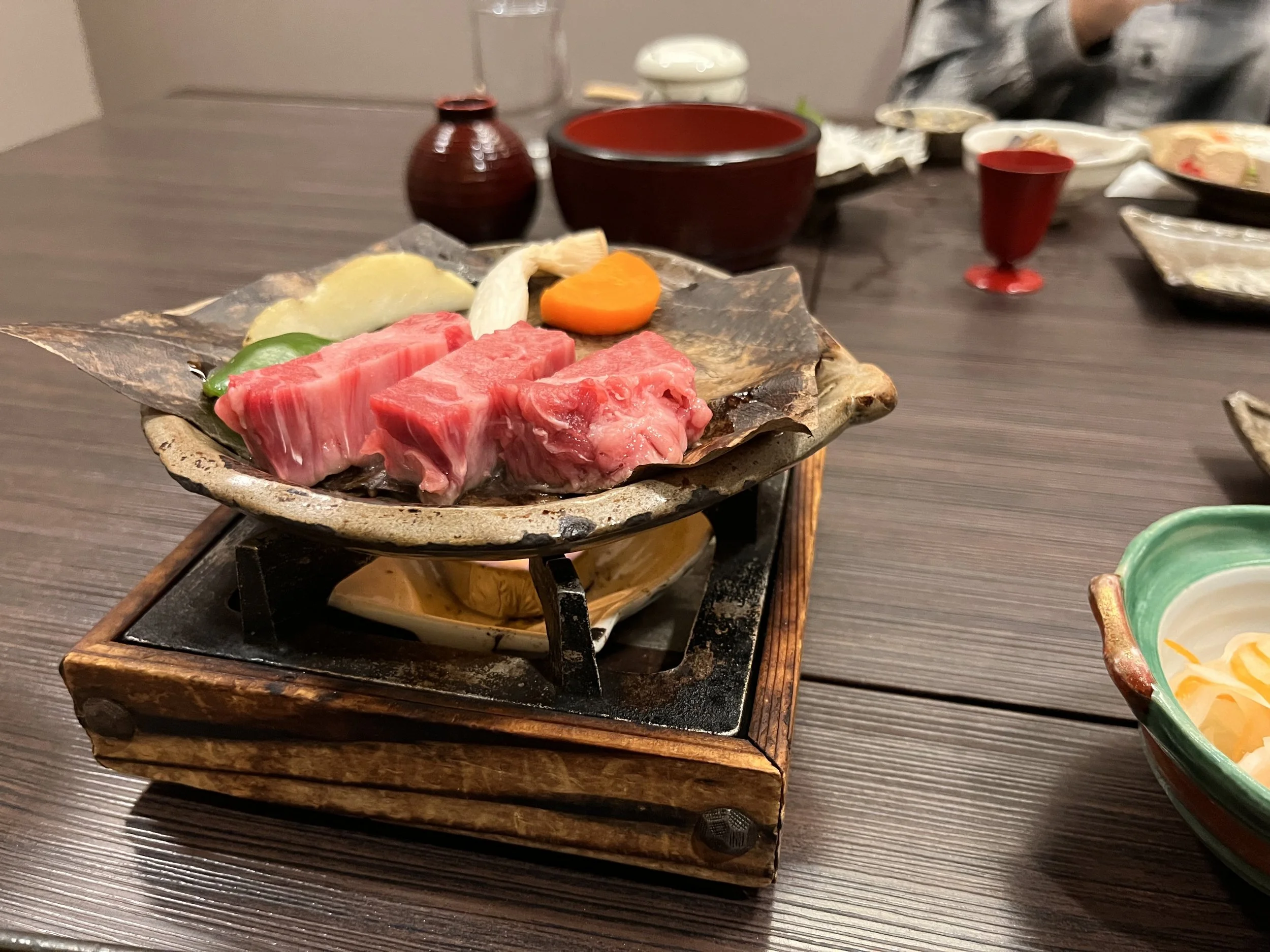
Takayama is a food lover’s dream, especially for those who want to experience the famous Hida beef, one of the region’s signature dishes. Known for its marbled texture and rich flavor, Hida beef is a must-try when visiting the city. You can enjoy it in a variety of ways: as sukiyaki (a sweet soy-based hot pot), shabu-shabu (thinly sliced beef cooked in a hot broth), or simply grilled as teppanyaki. One of the best places to savor this luxurious beef is at Hida Beef Restaurant Gyū, which specializes in expertly cooked Hida beef steaks.
Takayama is known for its rich, locally made sugi-miso, a savory paste used in everything from soups to grilled dishes. One of the best ways to experience it is through Hoba Miso, where miso is grilled on a magnolia leaf, often with mushrooms or Hida beef, adding a smoky depth of flavor.
Miso is also a main ingredient in many Takayama street food delights such as Gohei Mochi. This must-try snack is rice dumplings skewer grilled and coated in a sweet-savory miso glaze. Gohei Mochi are a usually found in the historic Sanmachi Suji district and are a perfect companion while strolling through the old merchant streets while looking for its famous sake.
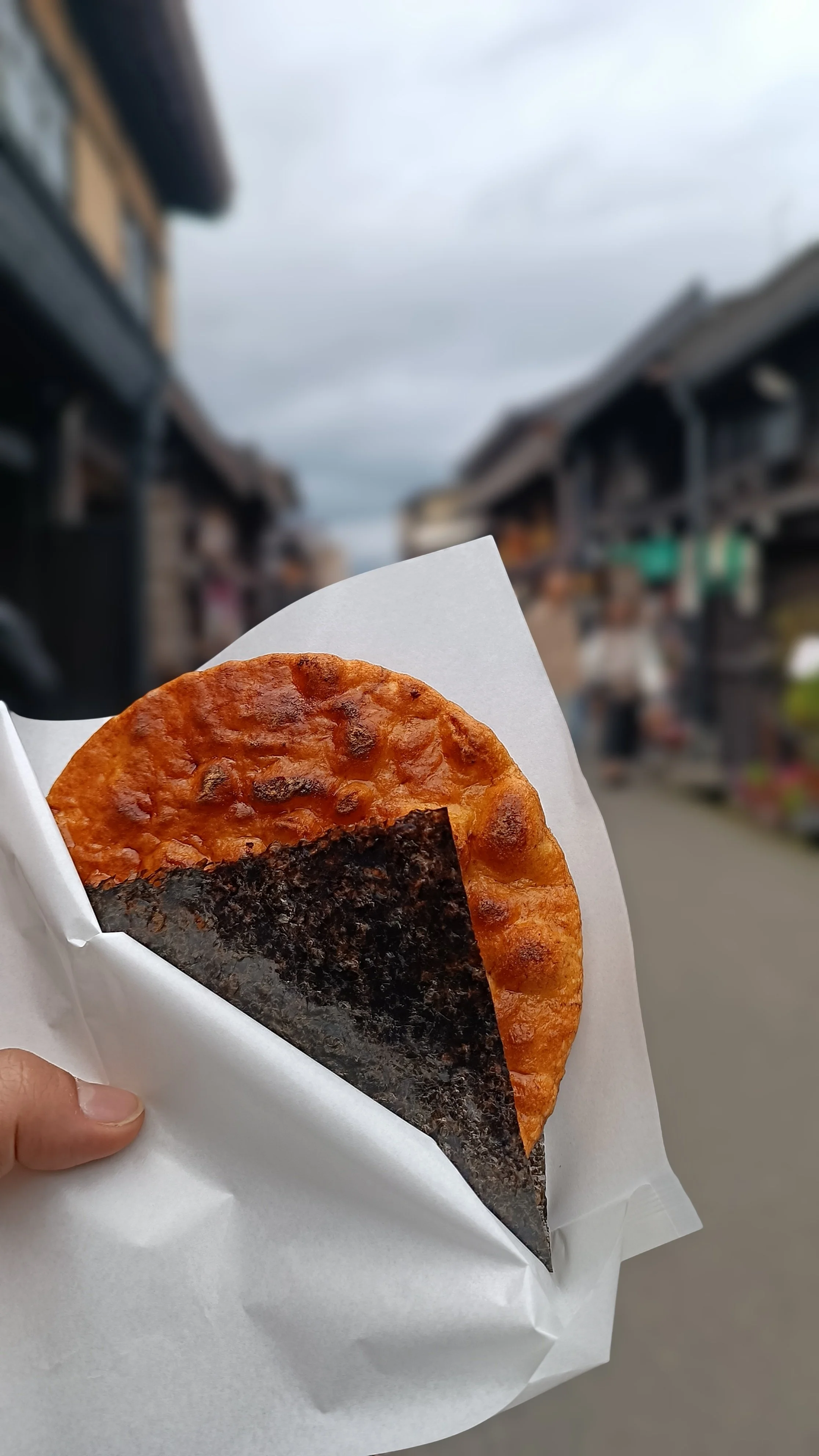
The nearby Takayama Morning Market, located in front of the Takayama Jinya, is another fantastic spot for local food. Here, you can sample fresh produce, pickled vegetables, and small snacks like the crispy Sugi-miso Rice Crackers or freshly prepared Soba noodles.
How to Get to Takayama
Japan has an extensive and well maintained railway network so trains are usually the fastest and most convenient means of transportation. Tickets can be easily brought at the train stations or booked in advance through Klook. Usually booking in advance is not necessary unless it is an holiday period or events such as festivals when tickets usually sell out fast.
Transportation in Japan can however be quite expensive so you may consider acquiring the JR Pass or other area-specific passes to cut transportation costs significantly. All connections below are operated by JR so either JR Pass or the Hokuriku-Takayama Area Pass should be considered when visiting Takayama.
By Public Transportation

From Nagoya
The fastest way to reach Takayama is from Nagoya. The Hida Limited Express departs from Nagoya station about 10 times daily, roughly once every hour. The journey takes about 2 hours and 40 minutes and costs about 6,000 Yens.
From Osaka/Kyoto
The Hida Limited Express train also departs from Osaka and Shin-Osaka stations once a day, typically at around 8 AM. The trip from Osaka to Takayama takes 4 hours and 15 minutes and costs 8,250 Yens.
This train also stops at Kyoto station at 8:30 AM. From Kyoto expect to pay around 7,600 Yens and to arrive at Takayama in 3 hours and 45 minutes.
From Toyama
From Toyama you can either take the Hida Limited Express or the Takayama Line train.
The Hida Limited Express can take you to Takayama in 1 hour and 30 minutes and costs 3,220 Yens. There are however only 5 of these trains a day.
The Takayama line train operates much more often and costs half the price. The trip usually takes 2 hours and 20 minutes but it is a bit trickier as tickets cannot be purchased at the station. To ride on this line follow the instructions bellow:
Approach the staff at the station and ask to go to Takayama and they will hand you a ticket. Go to platform 2 and get onto the train.
In the middle of the trip, you will need to switch trains but only pay once you arrive at Takayama station.
By Car

Driving is a convenient way to explore Takayama and the surrounding Japanese Alps region at your own pace. The route to Takayama offers scenic mountain roads, small picturesque villages and enchanted onsen towns to explore. Takayama is accessible year-round, though winter driving may require snow tyres or chains.
From Toyama
The drive to Takayama takes about 1.5 hours through the toll road Tokai-Hokuriku Expressway.
This 90 km drive takes you through picturesque mountain landscapes, especially near the Shogawa River. Possible stops along the way are Ainokura Village or Shirakawa-go, where one can marvel at the historical houses of the region.
From Nagoya
Nagoya is approximately 150 km from Takayama and the drive typically takes 2.5 hours to complete.
Take the Meishin Expressway to the Tokai-Hokuriku Expressway (both toll roads). The route gradually transitions from urban areas to lush mountain scenery as you approach Takayama with Gero Onsen located about halfway.
By Organized Tour

For a seamless and stress-free experience consider a guided tour. Most tour include local guides, transportation and tickets to major attraction in the area. Are are some suggestions of top rated organized tours in Takayama:
Where to Stay in Takayama
Takayama is a small city but already very developed for tourism and thus it offers a wide variety of charming accommodations. Whether looking for luxury, tradition, or affordability, Takayama has the perfect option for a memorable stay.
For a luxurious, traditional experience, ryokans like Oyado Koto No Yume provide an elegant setting with tatami-mat rooms and beautiful garden views, perfect for those seeking a peaceful, authentic Japanese stay.
If you're looking for a more modern option with great amenities, hotels like Hotel Associa Takayama Resort offer spacious rooms, stunning mountain views, and an onsen baths, ideal for relaxation after exploring the area.
For budget travelers, hostels such as K's House Takayama Quality Hostel offer a cozy, affordable stay with both dormitory and private rooms, making it a great choice for those looking to meet fellow travelers without sacrificing comfort.
Top Hotel Recommendation in Takayama
How long to visit Takayama
To visit the must-see places in Takayama and nearby highlights such as Shirakawago, we recommend spending 2 days in Takayama. However, the Hida region is very rich in history and natural beauty and there is a lot to explore.
If you have the time to extend your trip a couple more days consider exploring more remote locations such as Okuhida Onsen Towns or Kamikochi.
Alternatively, those more interested you are more interested in urban areas and history can consider visiting the nearby cities such as Matsumoto or Kanazawa.
Things to do in Takayama
Travelook App
For additional itineraries on China and beyond download the Travelook app!
Use Travelook functionalities to prepare your next trip:
- Get AI generated recommendations
- Use Maps to discover places to visit, restaurants, cafes, things to do and much more!
- Book flights, tours and attractions tickets in one place
- Invite your friends to collaborate on your travel plan
- Follow other travel entusiasts for ideias and tips


Don’t forget to follows us!
Disclosure: Some of the links in this post may be affiliate links. This means that if you click on the link and make a purchase, we may receive a small commission at no extra cost to you. This helps us continue to provide valuable content and recommendations for our readers. Thank you for your support!