

Hida No Sato
Unique Open Air Museum Featuring Hida Folk Architecture
What to see in Hida No Sato
Just outside Takayama, it’s possible to find the Hida Folk Village also know as, Hida no Sato Open Air Museum, an unique museum opened in 1971 for the purpose of preserving traditional vernacular houses, like the gassho-zukuri farmhouses and showcase the lifestyles in the mountains during ancient times.
These buildings, more than 30, were originally from different parts of the Hida area and were moved here, including the Gassho style thatched roof houses, shingled roof houses and many others, to preserve their unique architecture and allow visitors a look into the rural and mountainous lifestyle of the Japanese life, specially on the Hida zone.
Inside these buildings, you’ll find exhibits on traditional crafts like weaving and woodworking, as well as seasonal events and workshops.
Currently there are 23 items of a collection of Sledges, 230 items of tools for Silk Producing and 989 items fof daily tools and implements of Hida, which are in display across the 30 houses and structures within the Hida no Sato park.




Arai’s House
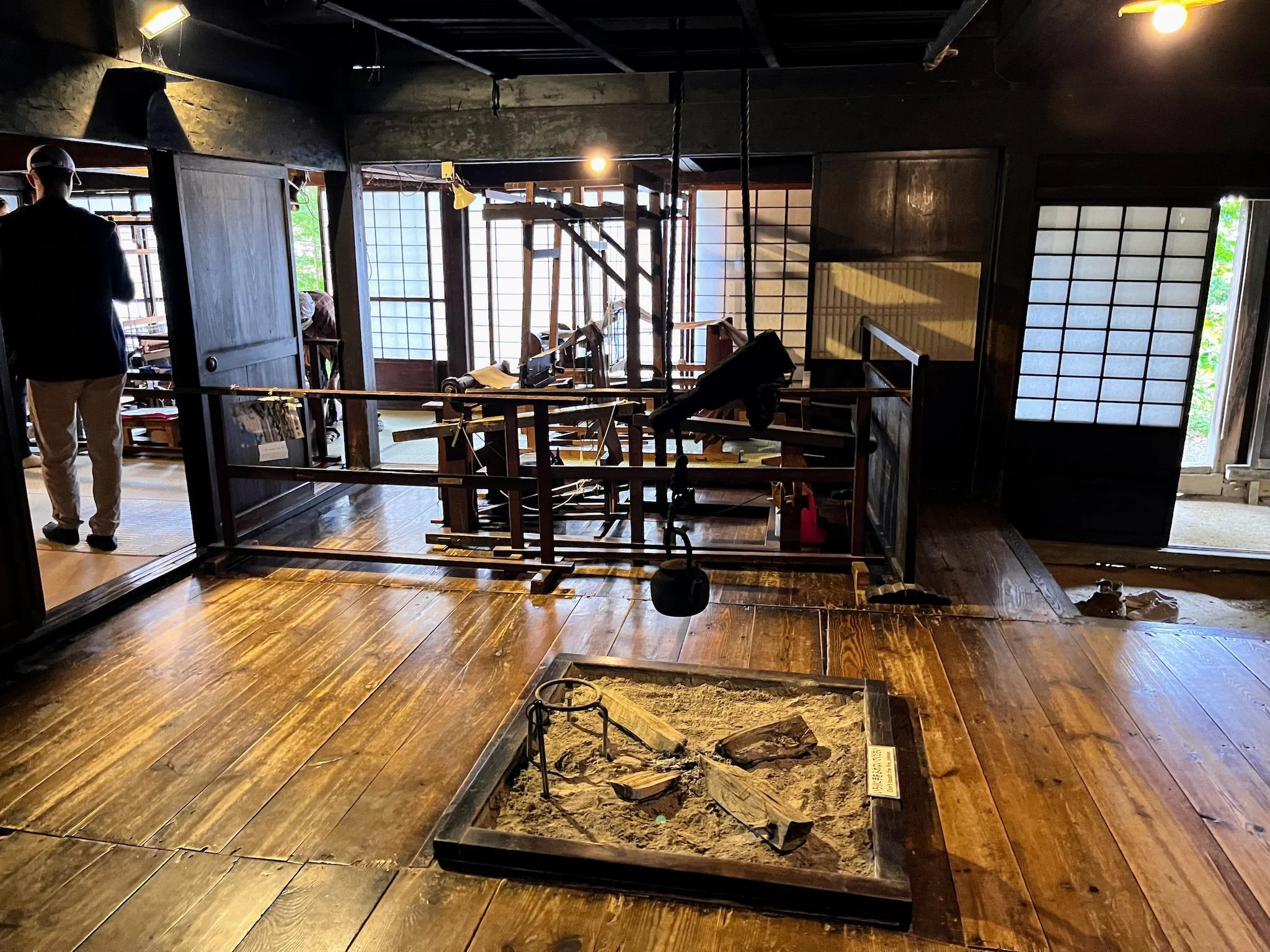
A typical old farmhouse made from pine and chestnut wood relocated from Takayama region with marks of usage of Chona (Adze) are still possible to observe on the pillars and floors.
Tanaka’s House in Hida no Sato provides a fascinating window into traditional rural life in Japan. This single-story home highlights a design tailored to the region’s warmer climate, prioritizing a spacious ground floor rather than the multi-level gassho-zukuri style found elsewhere in the village. At the heart of the house is the irori, a traditional sunken hearth used for cooking and heating, which also played a practical role in preserving the thatched roof by repelling insects with its smoke.
The house’s exquisite woodwork showcases the exceptional skill of Hida’s carpenters, with meticulously carved beams and joints crafted entirely without nails. Inside, the living quarters feature tatami rooms with woven straw mats, creating a cozy yet functional space for family life.
Visitors can also explore a collection of artifacts, including farming implements, weaving looms, and household objects, offering a vivid glimpse into the daily routines and cultural practices of the time. These exhibits reflect the balance between utility and artistry that defined rural Japanese life.
The Wakayama’s House
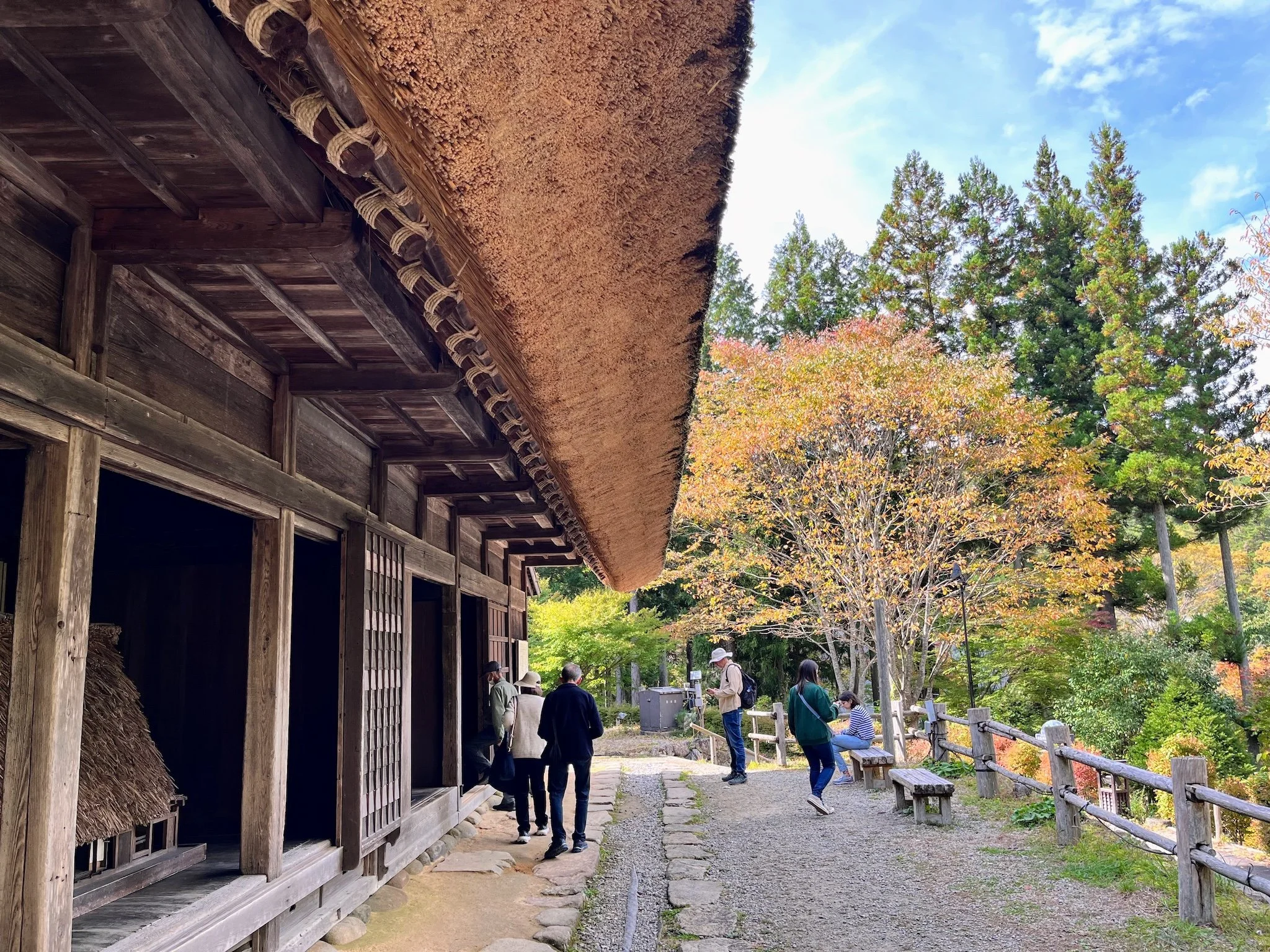
This house, Shohkawa-machi from 1751, is very important piece of folklore with characteristics of both the steep rafter roof (Gassho-zukuri architectural style) and was originally located in Shirakawa and the hipped rafter roof in Shohkawa.
This design was not only symbolic but also practical, as the steep angles allowed heavy snow to slide off during Takayama’s harsh winters.
Built over 250 years ago, the house originally belonged to a wealthy family engaged in sericulture (silk farming), a common trade in the region. The expansive interior features multiple floors, with the upper levels used to raise silkworms and the lower levels serving as living quarters.

Inside the house is possible to see traditional tools and artifacts with a display of farming implements, weaving tools, and household items used by the family. It’s also possible to observe beautifully crafted beams and joints showcasing the carpentry skills for which the Hida region is famous.
One of the most important parts of the house was the Irori, a central hearth used for cooking and heating, which also helped prevent pests in the thatched roof.
The Tanaka’s House

A typical old farmhouse made from pine and chestnut wood relocated from Takayama region with marks of usage of Chona (Adze) are still possible to observe on the pillars and floors.
Tanaka’s House in Hida no Sato provides a fascinating window into traditional rural life in Japan. This single-story home highlights a design tailored to the region’s warmer climate, prioritizing a spacious ground floor rather than the multi-level gassho-zukuri style found elsewhere in the village. At the heart of the house is the irori, a traditional sunken hearth used for cooking and heating, which also played a practical role in preserving the thatched roof by repelling insects with its smoke.
The house’s exquisite woodwork showcases the exceptional skill of Hida’s carpenters, with meticulously carved beams and joints crafted entirely without nails. Inside, the living quarters feature tatami rooms with woven straw mats, creating a cozy yet functional space for family life.
Visitors can also explore a collection of artifacts, including farming implements, weaving looms, and household objects, offering a vivid glimpse into the daily routines and cultural practices of the time. These exhibits reflect the balance between utility and artistry that defined rural Japanese life.
Takumi Shrine
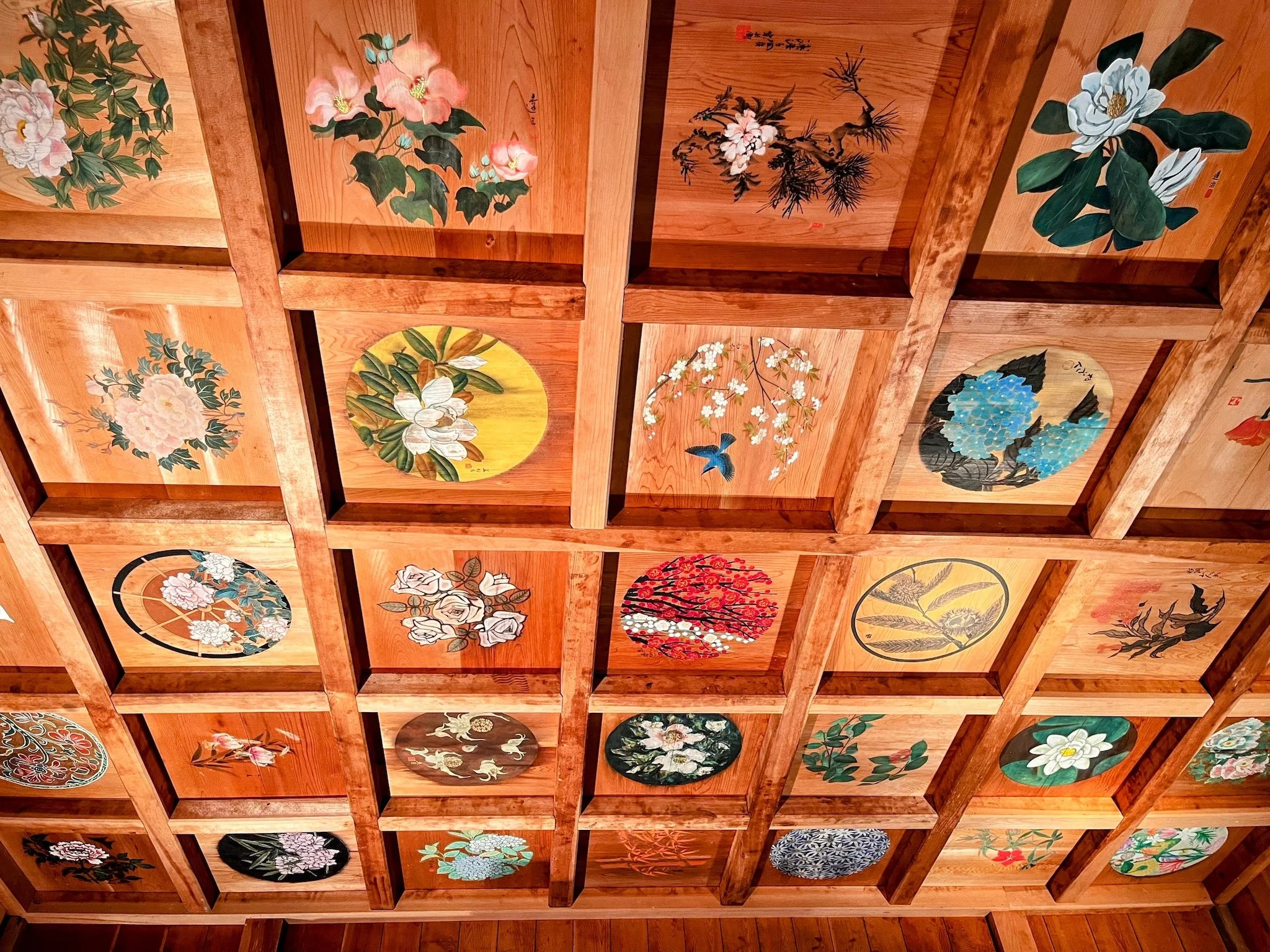
This small temple is located a little far from the main houses but it’s a very peaceful place with a marvelous ceiling paintings which makes it worth climbing the stairs to reach this small temple.
Attractions near Hida No Sato
Tours in Takayama
How to Get to Hida no Sato and Around
Hida no Sato is located in city of Takayama. Check our Takayama page to get details on how to Takayama from major cities nearby.
Once at Takayama station you can can take a city bus to Hida no Sato which cost 100 Yen and takes about 15 minutes to get there. Alternatively, you can walk for 25 minutes which allows you to further explore the city or rent a bike.
Hida no Sato Routes
Once inside the open air museum the are 3 different routes you can choose from, depending on the how deep you wanna explore the museum and how long you are willing to stay in Hida no Sato:
Red route: 20-minute course for wheelchair users around the Goami Paound (6, 9 and 24 can be visited)
Blue route: 40-minute course (1, 2, 4, 6, 9, 10, 12, 18, 20, 21, 24)
Brown route: 1-hour course to walk around the whole area



Where to Stay near Hida no Sato
Takayama is a small city but already very developed for tourism and thus it offers a wide variety of charming accommodations. Whether looking for luxury, tradition, or affordability, Takayama has the perfect option for a memorable stay.
For a luxurious, traditional experience, ryokans like Oyado Koto No Yume provide an elegant setting with tatami-mat rooms and beautiful garden views, perfect for those seeking a peaceful, authentic Japanese stay.
If you're looking for a more modern option with great amenities, hotels like Hotel Associa Takayama Resort offer spacious rooms, stunning mountain views, and an onsen baths, ideal for relaxation after exploring the area.
For budget travelers, hostels such as K's House Takayama Quality Hostel offer a cozy, affordable stay with both dormitory and private rooms, making it a great choice for those looking to meet fellow travelers without sacrificing comfort.
Top Hotel Recommendation in Takayama
Best time to visit Hida no Sato
Hida no Sato captivates visitors throughout the year with its meticulously curated seasonal landscapes and monthly cultural celebrations that showcase the rich heritage of the Hida region. This open-air architectural museum transforms with each passing month, offering immersive experiences that reflect centuries-old traditions:
January-February: Winter illumination transforms the village into a mesmerizing tableau, with snow-laden thatched roofs glowing against the night sky, recreating the illumination practices that historically connected mountain communities during Japan's harshest season.
March-April: The Hina Dolls Festival (Hinamatsuri) displays exquisite traditional doll arrangements within the historic farmhouses, showcasing the intricate craftsmanship that reflects social hierarchies and protective folk beliefs dating back to the Heian period.
May: Rice planting ceremonies at the distinctive wheel-shaped rice field revive agricultural rituals that have sustained Japanese rural communities for millennia, complete with traditional planting songs and ceremonial offerings to ensure bountiful harvests.
June: The iris gardens burst into magnificent bloom, featuring meticulously cultivated native species that have been celebrated in Japanese poetry and art since the 8th century Manyoshu anthology.
July: Anniversary celebrations commemorate the foundation of the village with demonstrations of traditional building techniques and folk performances that have preserved local cultural identity through centuries of isolation.
August: The Tanabata festival illuminates the village with handcrafted paper decorations and bamboo ornaments, continuing astronomical traditions that have guided agricultural calendars since their introduction from China during the Nara period.
September: Rice harvesting at the wheel-shaped field features traditional hand tools and ancient harvesting techniques, culminating in elaborate drying methods that developed specifically for the region's challenging mountain climate.
October: Autumn illumination highlights the spectacular seasonal foliage, recreating centuries-old viewing traditions that have inspired countless artistic and literary works throughout Japanese cultural history.
November: Winter preparation demonstrations showcase the sophisticated survival techniques developed by mountain dwellers, including food preservation methods and roof reinforcement strategies unique to gassho-zukuri architecture.
December: Christmas illumination interweaves contemporary celebration with traditional winter solstice observances, demonstrating the adaptive nature of rural Japanese cultural practices through changing eras.
Travelook App
For additional itineraries on China and beyond download the Travelook app!
Use Travelook functionalities to prepare your next trip:
- Get AI generated recommendations
- Use Maps to discover places to visit, restaurants, cafes, things to do and much more!
- Book flights, tours and attractions tickets in one place
- Invite your friends to collaborate on your travel plan
- Follow other travel entusiasts for ideias and tips


Don’t forget to follows us!
Disclosure: Some of the links in this post may be affiliate links. This means that if you click on the link and make a purchase, we may receive a small commission at no extra cost to you. This helps us continue to provide valuable content and recommendations for our readers. Thank you for your support!